Weather Sign in
Crops

Peach (26)

Diseases (9)

The dry shoot disease of peach

The dry shoot disease of peach

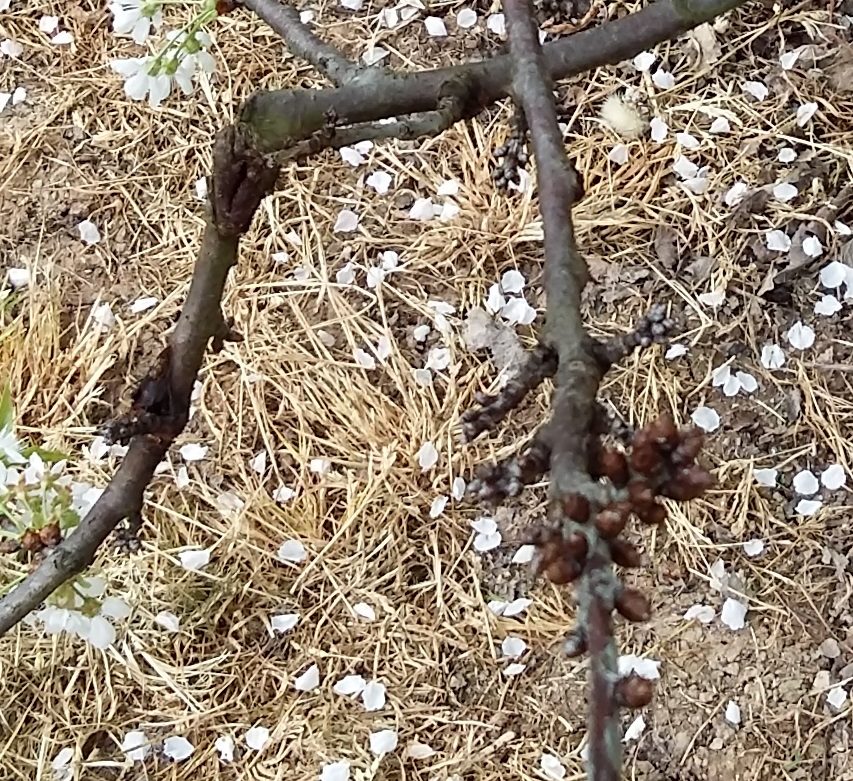
Dead annual shoots with the leaves still attached, buds that fail to break, and since 2021 an epidemic on the plain of Giannitsa. The cause is the fungus Diaporthe amygdali. In detail: the distinction from the blind shoot, the fusicoccin that kills the shoot, the entry points at leaf fall, the susceptibility of ten clingstone cultivars and the year’s programme.

Peach
Peach diseases and pests: identification from symptoms, with a diagnostic tool

Peach diseases and pests: identification from symptoms, with a diagnostic tool

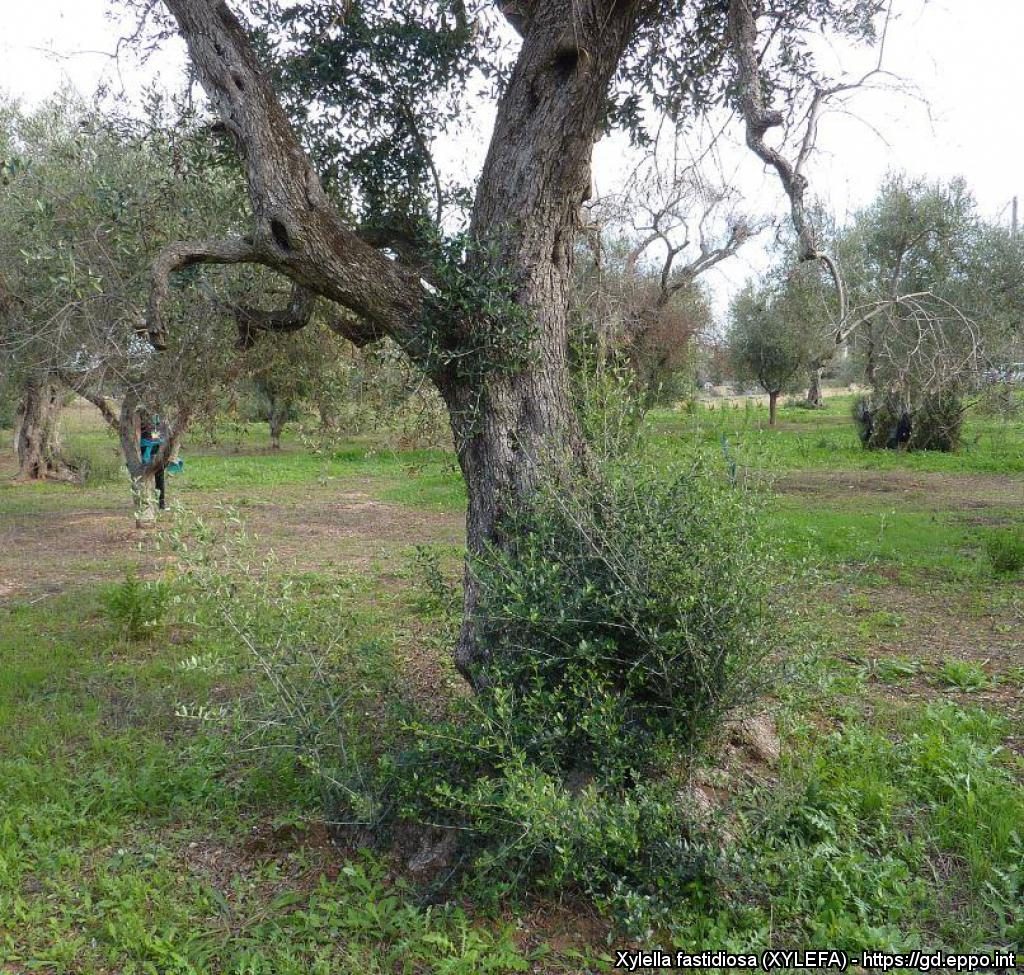
Brown rot, leaf curl, shot hole, scab, rust, bacterial spot and canker, Armillaria, Phytophthora, Diaporthe amygdali, plum pox, and the pests: peach twig borer, oriental fruit moth and summer fruit tortrix with degree-days from orchards in Pella, spider mites, Comstock mealybug, flat-headed root borer, goat moth. A tool that compares field symptoms against the profiles of 33 causes, with photographs and the one feature that separates them.

Peach
Peach fungal gummosis, Botryosphaeria dothidea

Peach fungal gummosis, Botryosphaeria dothidea

An endophyte, not an invader: it enters early and waits for stress. Why water stress two to six months after infection is what decides the damage, why the water-only control matched every fungicide in the 2008 trial, and what actually works, pruning, post-harvest irrigation and cultivar choice.

Peach

Pests (4)

The goat moth, Cossus cossus: the pest that costs trees rather than a crop

The goat moth, Cossus cossus: the pest that costs trees rather than a crop

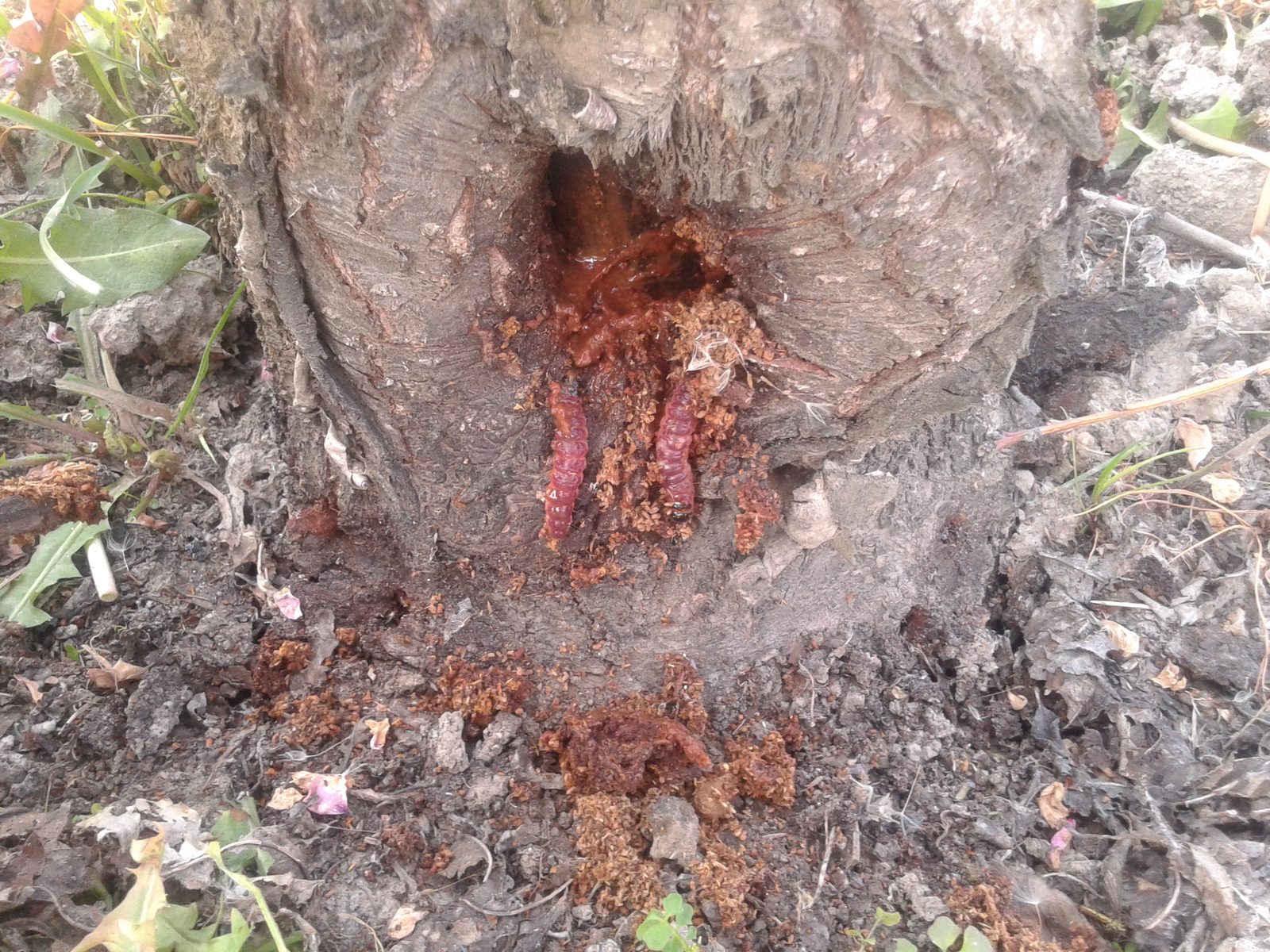
The larva eats the inside of the trunk for two or three years, and the tree fades with stunting, chlorosis and small leaves, the same picture as Phytophthora, Armillaria or a nutrient deficiency. Identification of adult, larva and egg, the multi-year cycle, why it returns to the same trees, the distinction from the leopard moth, and what pheromone traps are actually good for.

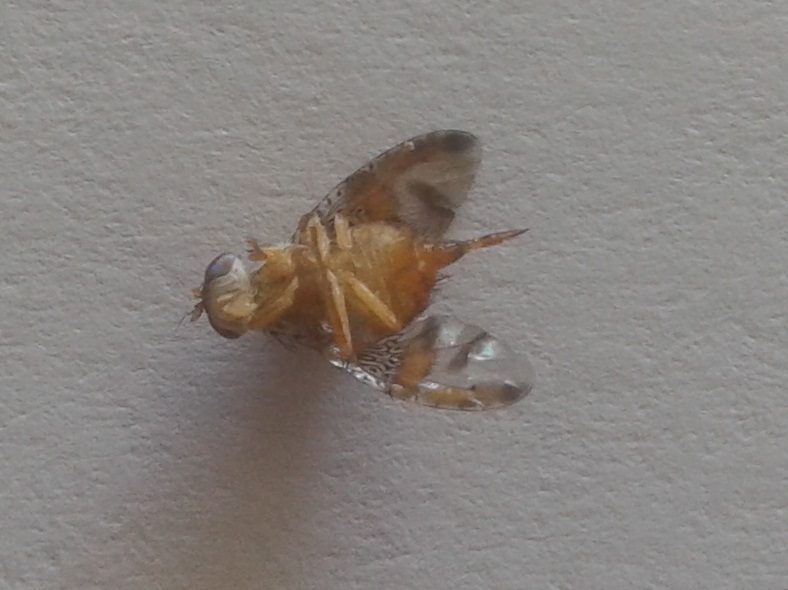
The Mediterranean fruit fly, Ceratitis capitata

The Mediterranean fruit fly, Ceratitis capitata

It attacks half-ripe and ripe fruit, which is then lost. In northern Greece it does not strike with the same intensity every year, and the reason lies in how it overwinters. Host range, the life cycle, the number of generations, monitoring with traps and what the traps can and cannot tell, dispersal distance, and the three control tools.

Other (1)