Weather Ελληνικά Sign in
Archive

October 2026

Pests and diseases of cucumber in Greece and Europe: symptom description, epidemiology and quarantine status

Pests and diseases of cucumber in Greece and Europe: symptom description, epidemiology and quarantine status

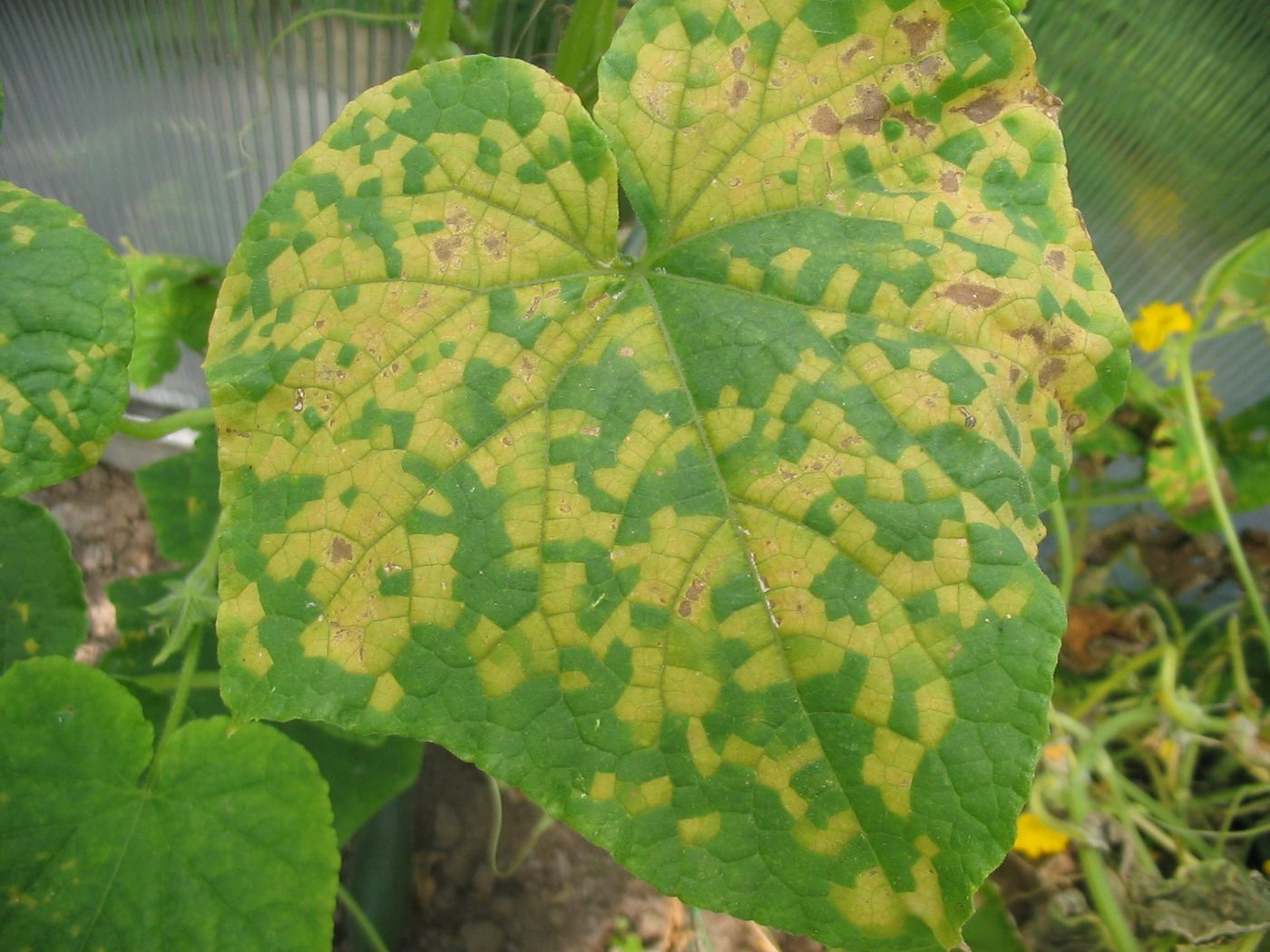
Downy mildew, powdery mildew with two causal agents and opposite temperature optima, scab, anthracnose, Didymella with a one-hour free-water limit, Botrytis, Sclerotinia. The two fusarium diseases of cucumber: f.sp. radicis-cucumerinum, described in Heraklion with an optimum of 17 degrees and stopping at 32, and fusarium wilt, which starts where that one stops. Pythium, Phytophthora and angular leaf spot. The aphid-borne and the whitefly-borne viruses, with the three criniviruses that cannot be separated without a laboratory, CYSDV in 49.9% of Greek samples, CVYV absent from Greece but present in Cyprus and Türkiye, and ToLCNDV as the only Union quarantine pest, with the Greek chronology from Ileia in 2018. CGMMV, the virus that needs no insect and that stayed infective in Greek soil at 4 degrees for ten months. Whiteflies, spider mite, thrips, aphids, leafminers, lepidoptera and nematodes, with the Greek resistance data, the Ierapetra nematode populations that overcome the Mi gene, and an explicit statement for every threshold that does not exist. A table of temperature optima by season of the Greek greenhouse. Seven photographs, eighty-four references, each declared as full text or abstract only.
Cucumber Greenhouse
Pests and diseases of persimmon (Diospyros kaki) in Europe and Greece: epidemiology, differential diagnosis and action thresholds

Pests and diseases of persimmon (Diospyros kaki) in Europe and Greece: epidemiology, differential diagnosis and action thresholds

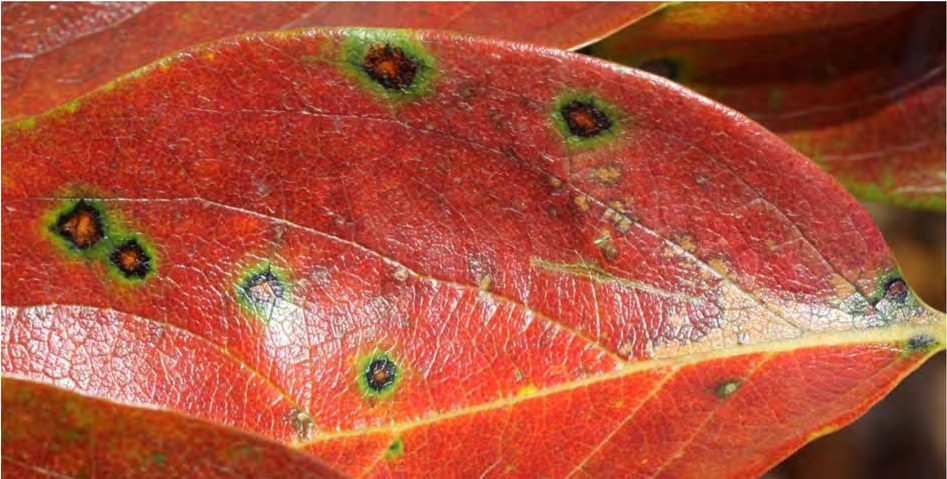
Circular leaf spot (Plurivorosphaerella nawae), the pathogen that adapted to the semi-arid climate of Valencia and is not a quarantine organism, with the comparison between Spain and Korea and the role of drip irrigation. Angular leaf spot, Pestalotiopsis, anthracnose, and the twelve species of Diaporthe, Eutypella and Botryosphaeriaceae identified inside the wood. Postharvest rots: why Alternaria black spot became the limit of storage life after 1-MCP, and how extra irrigation before harvest is paid for in the cold room two months later. Crown gall, vascular wilt, root rots and phytoplasmas. Mealybugs and ants, wax scale, mussel scale, the orange spiny whitefly as a quarantine organism, fruit flies. Herbicide toxicity mistaken for a fungal leaf spot, a differential diagnosis table with fifteen pairs, action thresholds with the sampling method, and the four exotic pathogens threatening the Mediterranean. Thirteen photographs, five from Greek orchards.

Persimmon
The white Mediterranean snail in tree crops

The white Mediterranean snail in tree crops

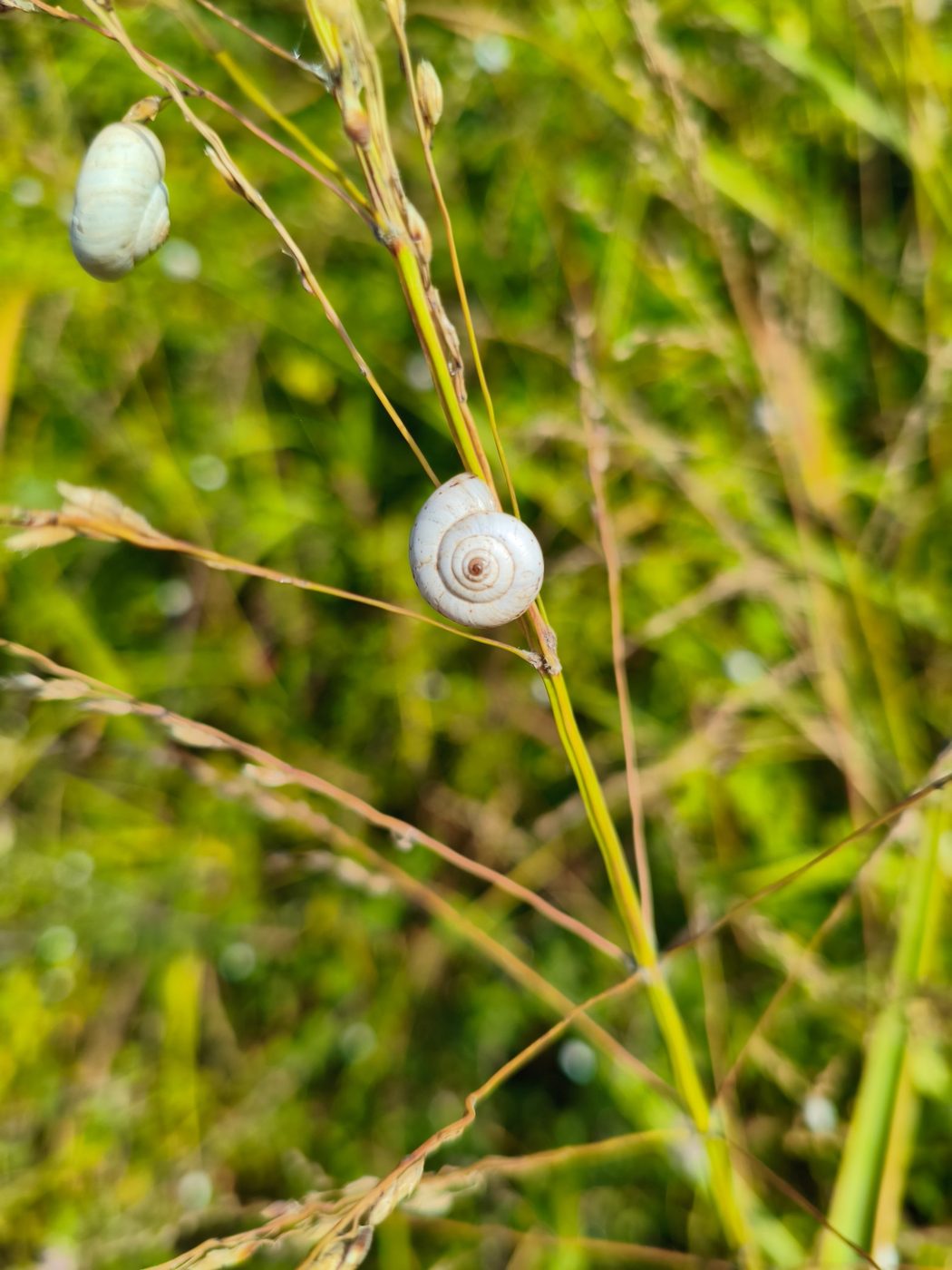
Theba pisana is native to the Mediterranean, not invasive, so there is no eradication programme to wait for. Identification, life cycle, the damage in tree crops, the single approved target in the Greek register, and why the nematode Phasmarhabditis killed the snail only at five times the label rate.

Olive Sweet cherry
The Meda sweet cherry series

The Meda sweet cherry series

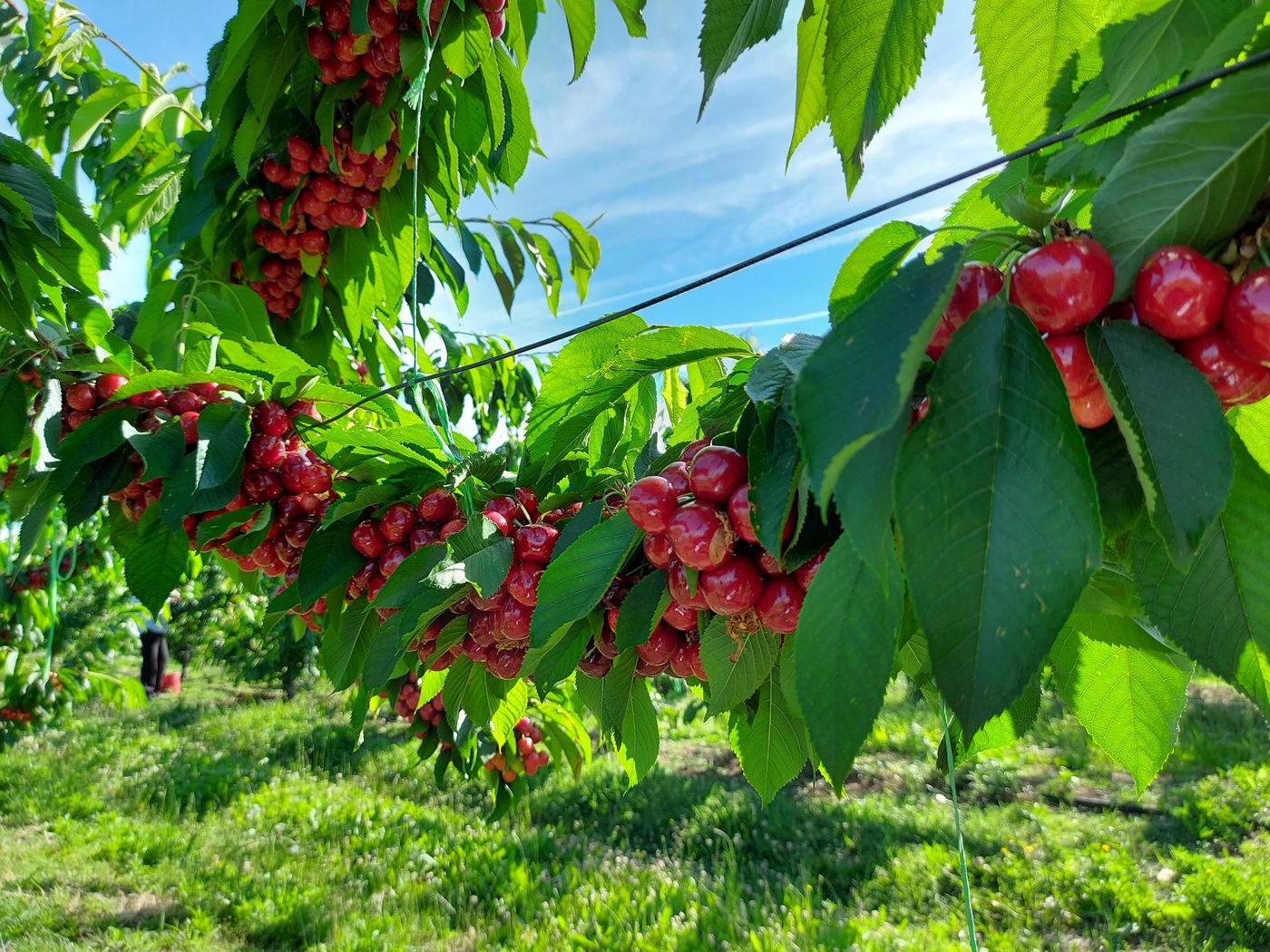
Six club varieties selected for at least 35 to 40 days of post-harvest life, for sea freight to China. Ripening, size, sugars and S genotypes as published, the two pairs that cannot pollinate each other, chilling figures with no model stated, and the fact that every measurement comes from covered plantings outside Greece.

Sweet cherry
The almond blossom weevil: the pest that works in winter

The almond blossom weevil: the pest that works in winter

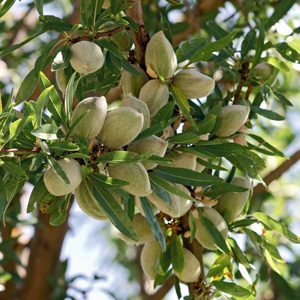
Anthonomus amygdali destroys flower buds from November to February, with losses that reached 83% in Apulia. The Greek data is very thin. The cycle month by month, recognition in the field, the monitoring methods, and the two windows in which the insect is reachable, the autumn one and the spring one.

Almond
Apricot pests and diseases: identification from symptoms, with a diagnostic tool

Apricot pests and diseases: identification from symptoms, with a diagnostic tool

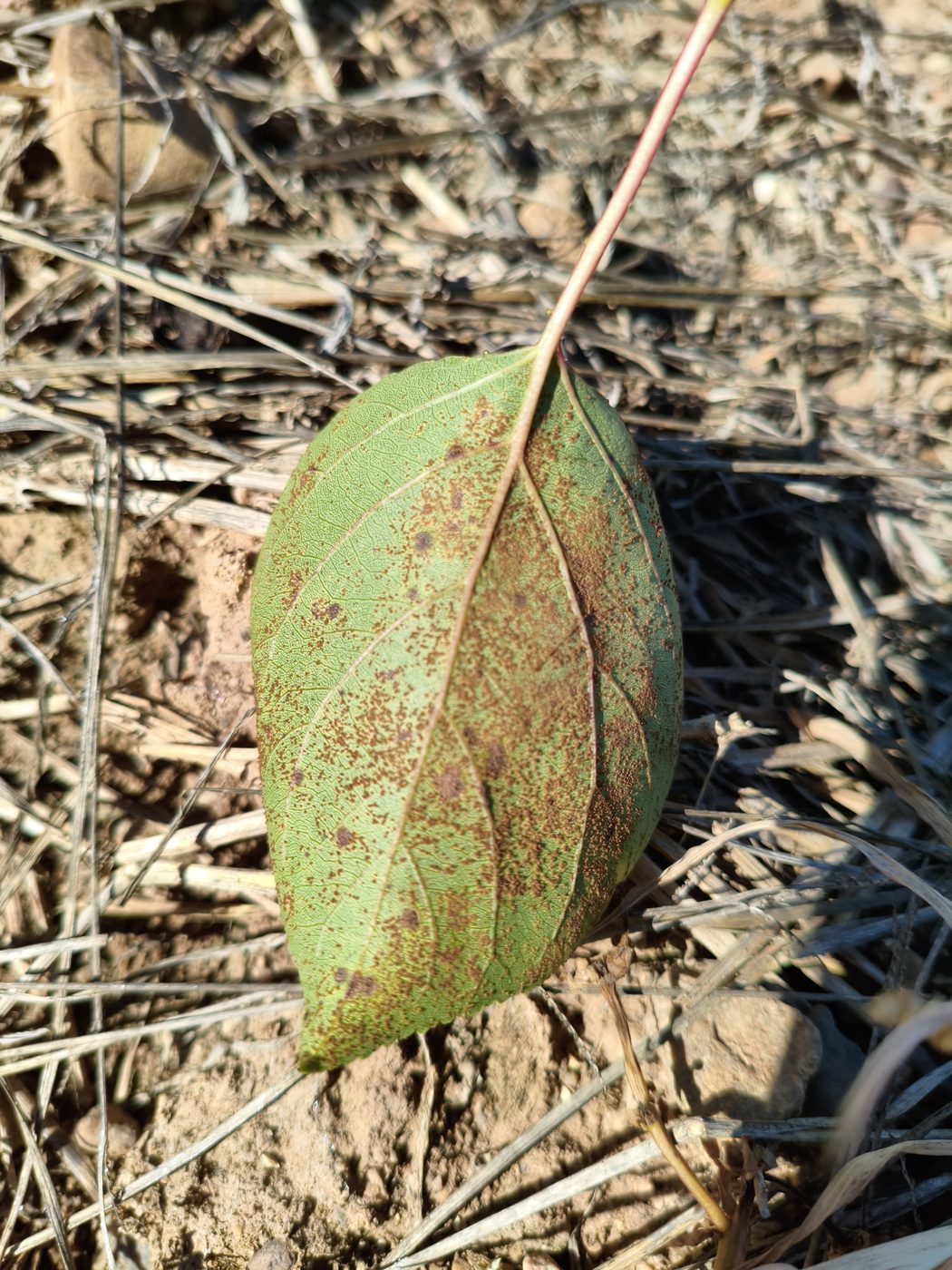
Rust with field photographs, brown rot, shot hole, scab, powdery mildew, bacterial spot and canker, Eutypa dieback, silver leaf with and without a fungus, Phytophthora, Armillaria, plum pox and phytoplasma, and the pests: peach twig borer, oriental fruit moth, medfly, flatheaded root borer, mealybug, scale. The pruning dilemma, the three cuts that sort out a dead tree, and a tool that compares symptoms against the profiles of 34 causes.

Apricot