Weather Sign in
Crops

Apricot (23)

Diseases (6)

Apricot pests and diseases: identification from symptoms, with a diagnostic tool

Apricot pests and diseases: identification from symptoms, with a diagnostic tool

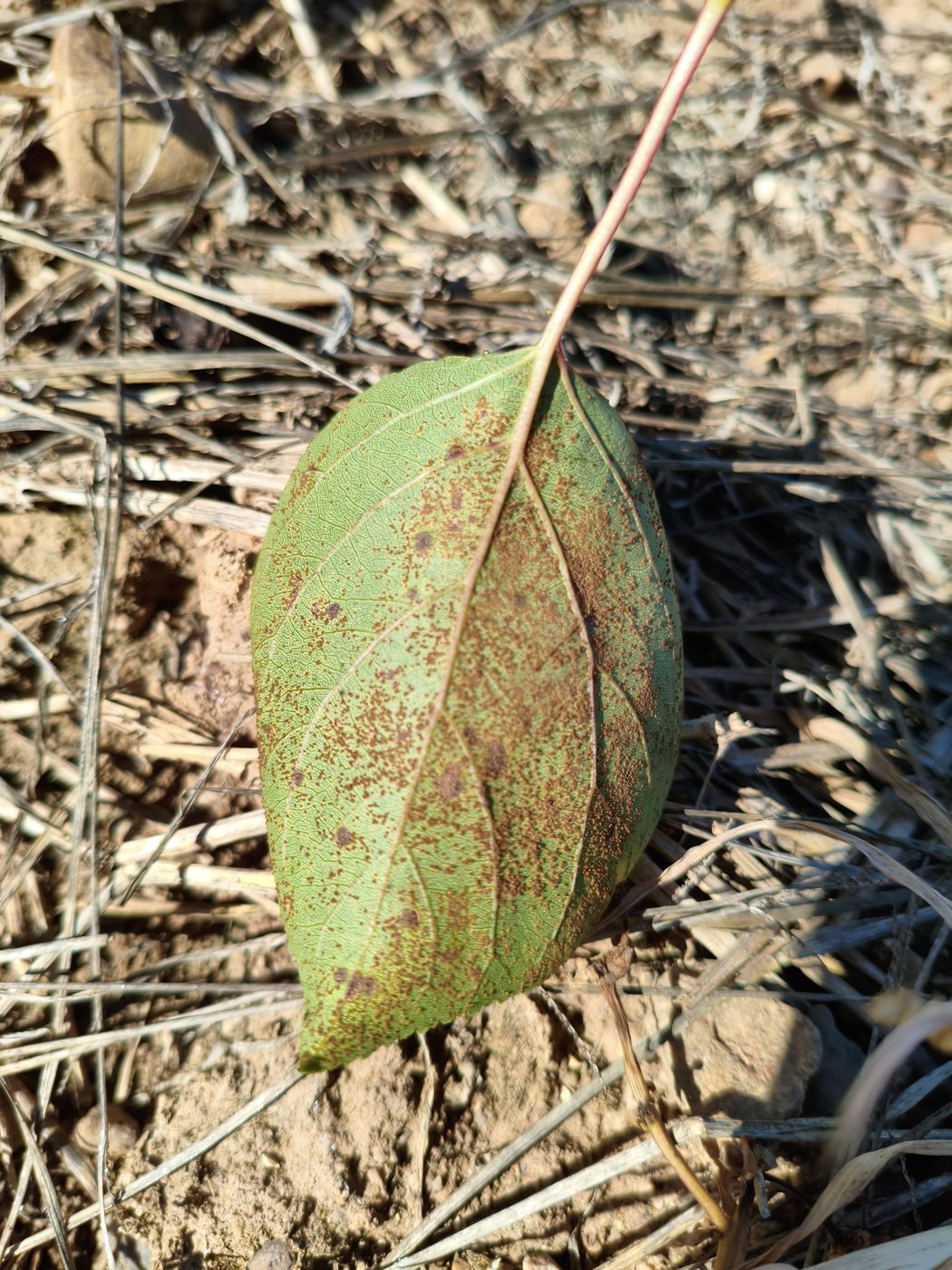
Rust with field photographs, brown rot, shot hole, scab, powdery mildew, bacterial spot and canker, Eutypa dieback, silver leaf with and without a fungus, Phytophthora, Armillaria, plum pox and phytoplasma, and the pests: peach twig borer, oriental fruit moth, medfly, flatheaded root borer, mealybug, scale. The pruning dilemma, the three cuts that sort out a dead tree, and a tool that compares symptoms against the profiles of 34 causes.

Apricot
Bacterial canker on apricot: what Romagna showed

Bacterial canker on apricot: what Romagna showed

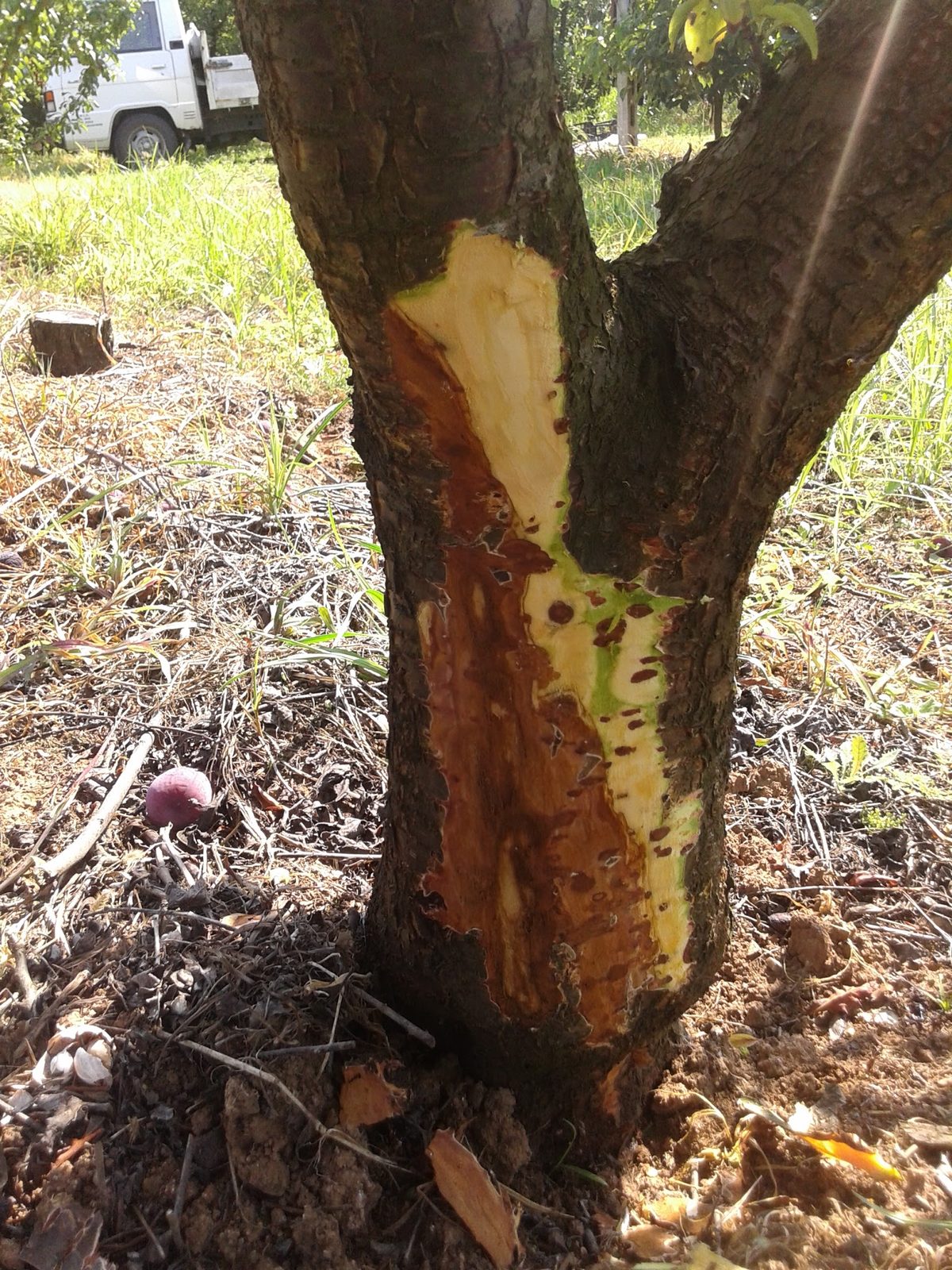
Whole young apricot orchards in Romagna dried up within a few years. The cause was not a new pathogen but the change in the cultivar base: the early, vigorous cultivars planted from the late 1990s proved barely tolerant of Pseudomonas syringae, and the same plant material is going into Greek ground. The susceptibility list, copper rates with the 28-kilo ceiling, and what was tried as an alternative.

Apricot
Scab of stone fruit, with the emphasis on apricot

Scab of stone fruit, with the emphasis on apricot

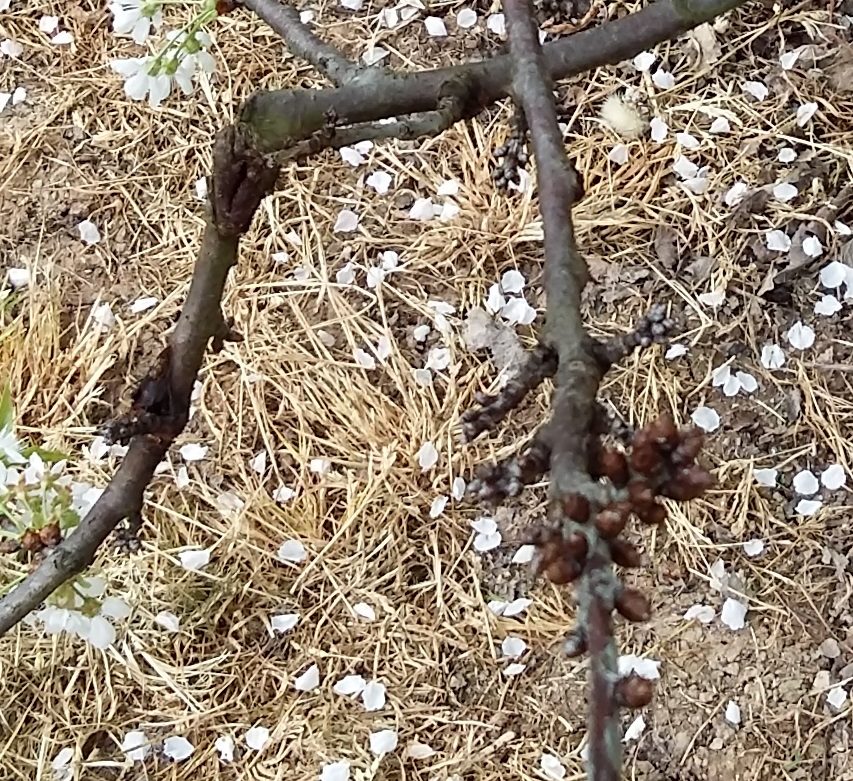
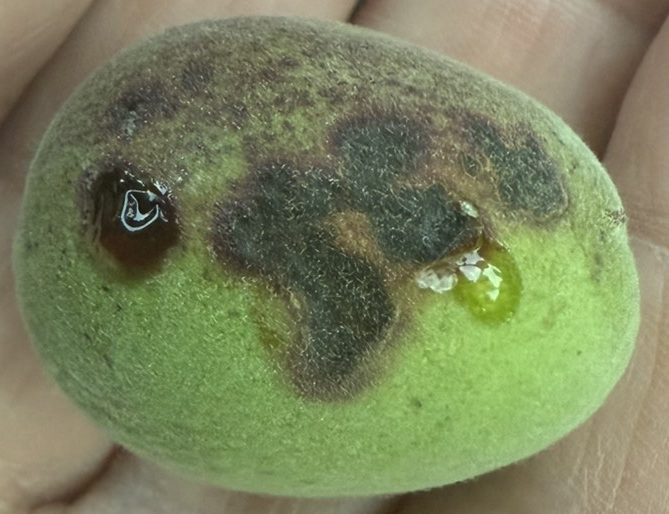
A disease of rainy springs that neither kills the tree nor rots the fruit, it only downgrades it, and it does so shortly before harvest. Why it appears while the orchard is being sprayed, for four separate reasons, where the problem hides on shoots and leaves, the susceptibility window with its hidden incubation, and what is documented about the products and what is not.

Apricot

Pests (5)

The goat moth, Cossus cossus: the pest that costs trees rather than a crop

The goat moth, Cossus cossus: the pest that costs trees rather than a crop

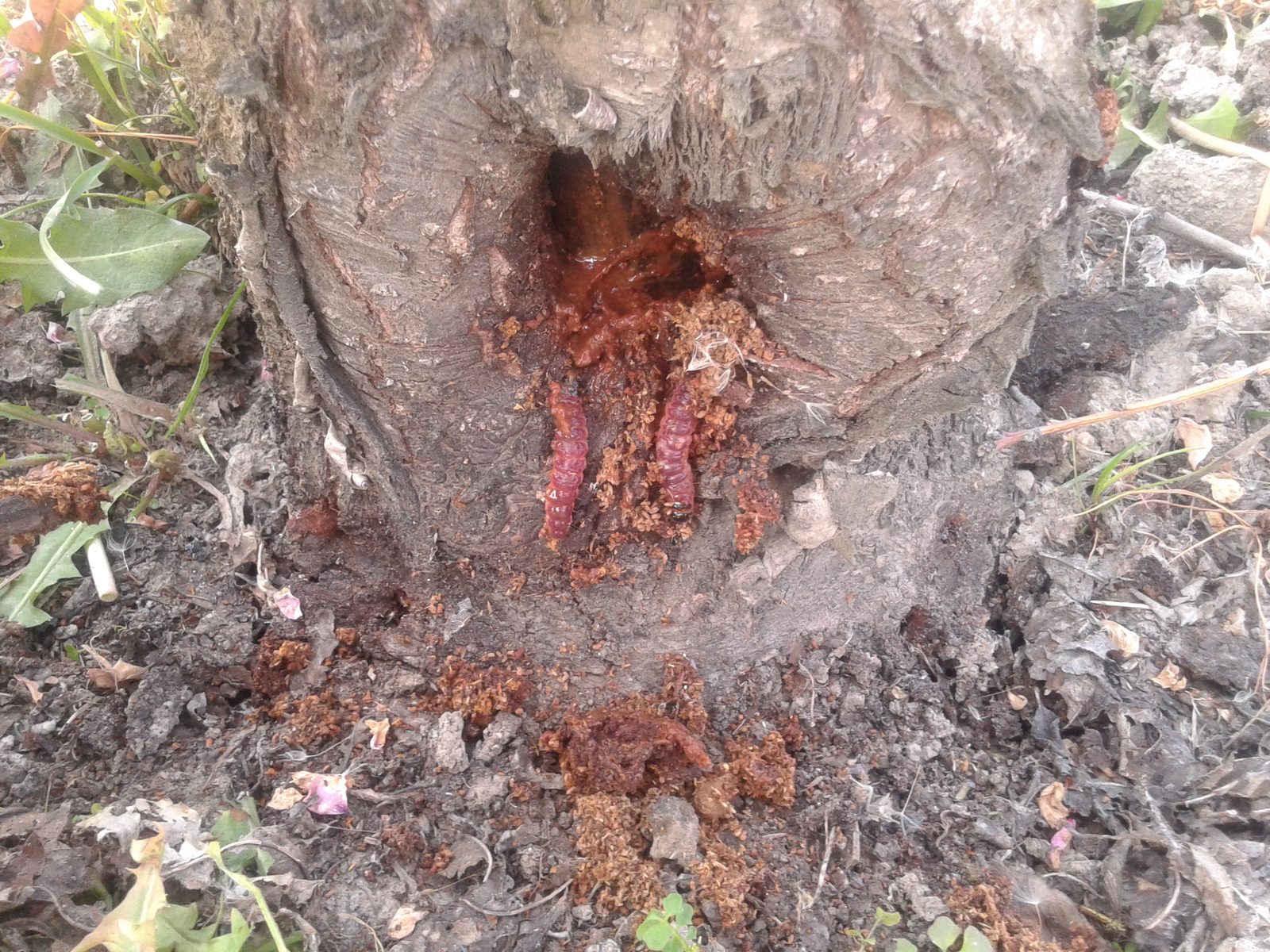
The larva eats the inside of the trunk for two or three years, and the tree fades with stunting, chlorosis and small leaves, the same picture as Phytophthora, Armillaria or a nutrient deficiency. Identification of adult, larva and egg, the multi-year cycle, why it returns to the same trees, the distinction from the leopard moth, and what pheromone traps are actually good for.

The Mediterranean fruit fly, Ceratitis capitata

The Mediterranean fruit fly, Ceratitis capitata

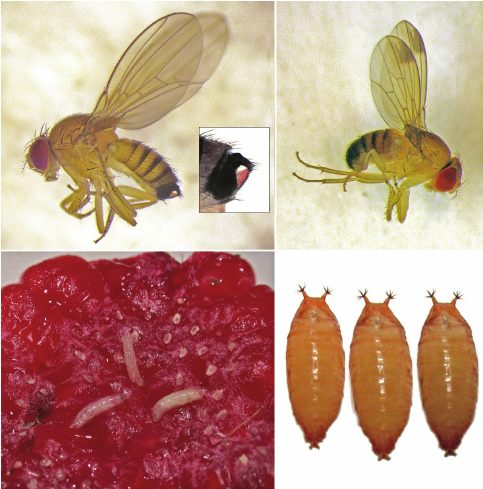
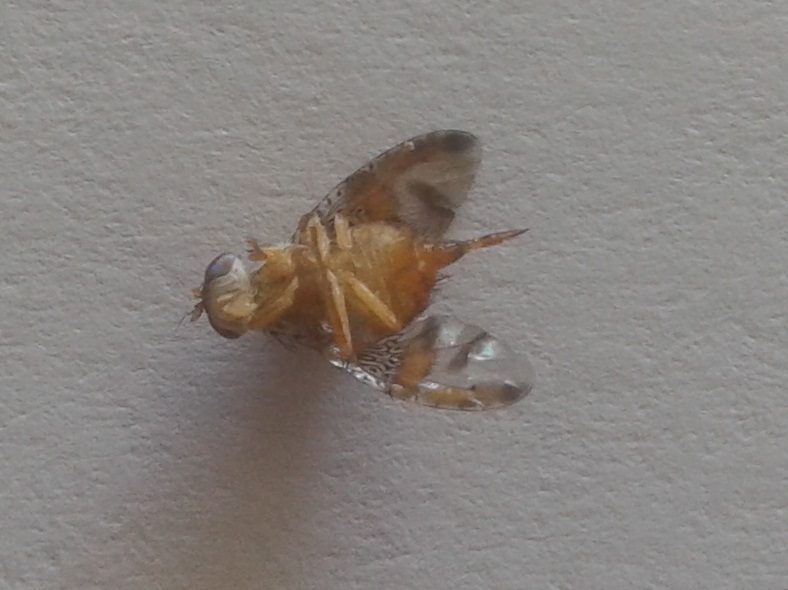
It attacks half-ripe and ripe fruit, which is then lost. In northern Greece it does not strike with the same intensity every year, and the reason lies in how it overwinters. Host range, the life cycle, the number of generations, monitoring with traps and what the traps can and cannot tell, dispersal distance, and the three control tools.

Other (1)