

Brown rot of stone fruit: cause, symptoms and control
Three hours of wetness at 24 C infect the blossom. Latent infections decide the harvest months in advance, and 156 products are only 26 active substances.
Three hours of wetness at 24 C infect the blossom. Latent infections decide the harvest months in advance, and 156 products are only 26 active substances.
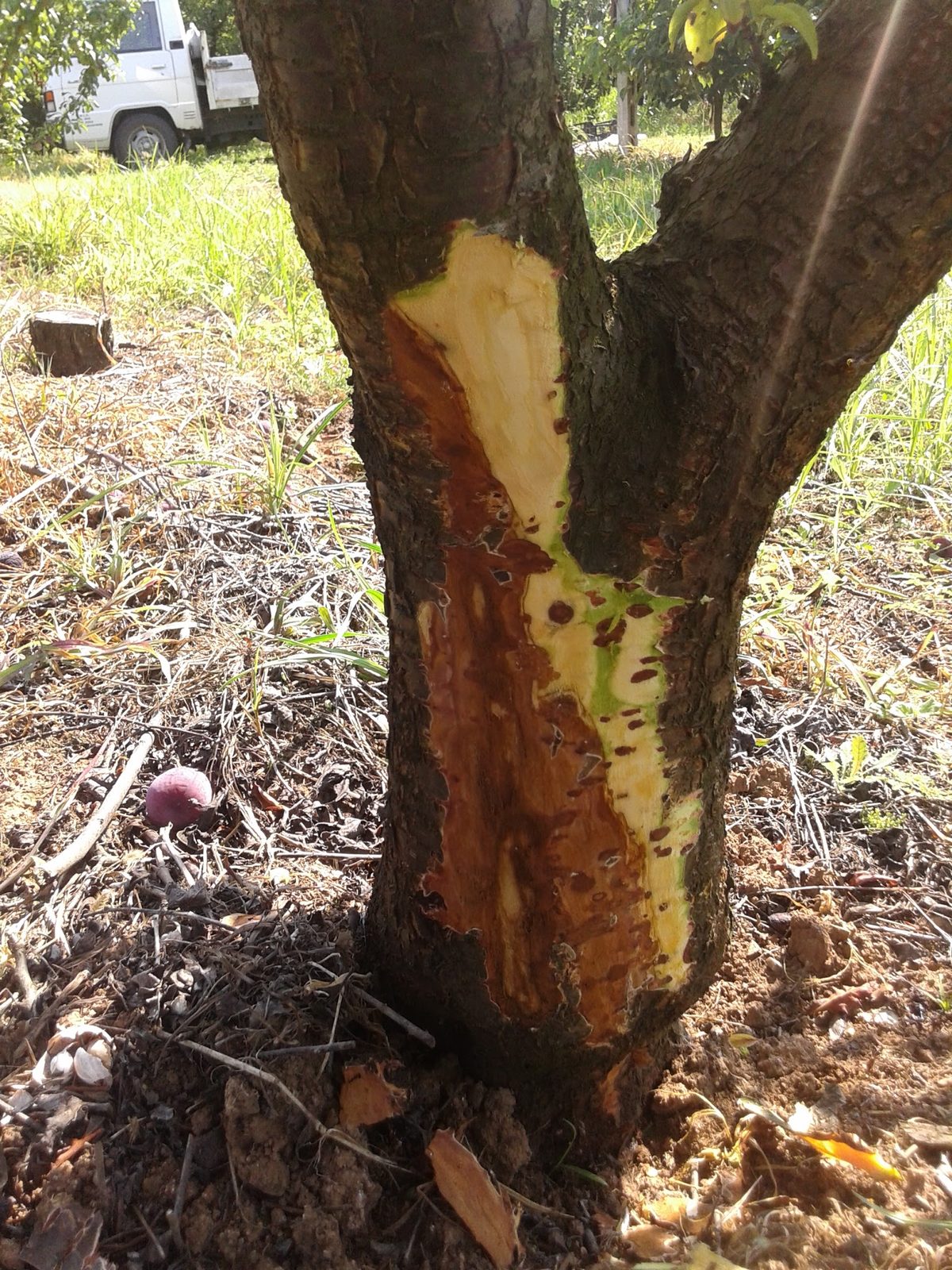
Phytophthora, or crown rot, is a serious problem for agriculture worldwide, because beyond the crop it destroys the planting itself, which in tree fruit takes years to build again.

Ascospore release starts at petal fall and lasts six to eight weeks. Five hours of wetness at 17-20 C are enough. Why the programme does not begin after harvest.
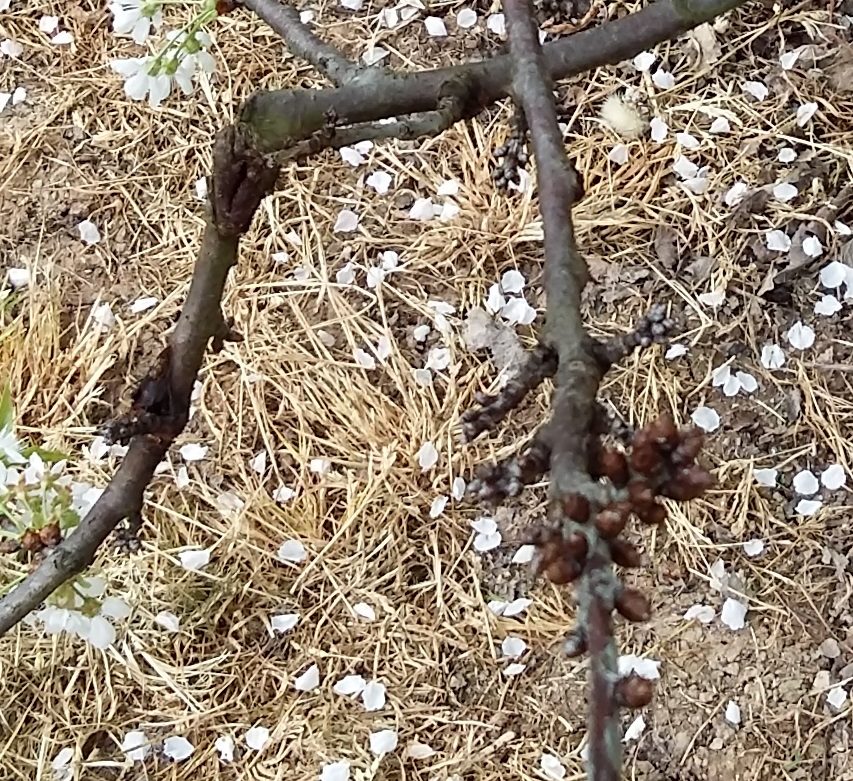
The bacterium that manufactures the frost wounds it then invades through. The knife test that separates infectious from non-infectious gummosis, the nematode complex, why copper hydroxide works and copper oxide does not, and the entry point most often missed in young trees.

Sweet cherry is attacked by a range of viruses and none of them can be cured once a tree is infected. PNRSV, PDV and their synergy, the rusty mottle group, little cherry, ACLSV, CVA and CRLV: transmission routes, what has been found in Greece, sampling and diagnosis.
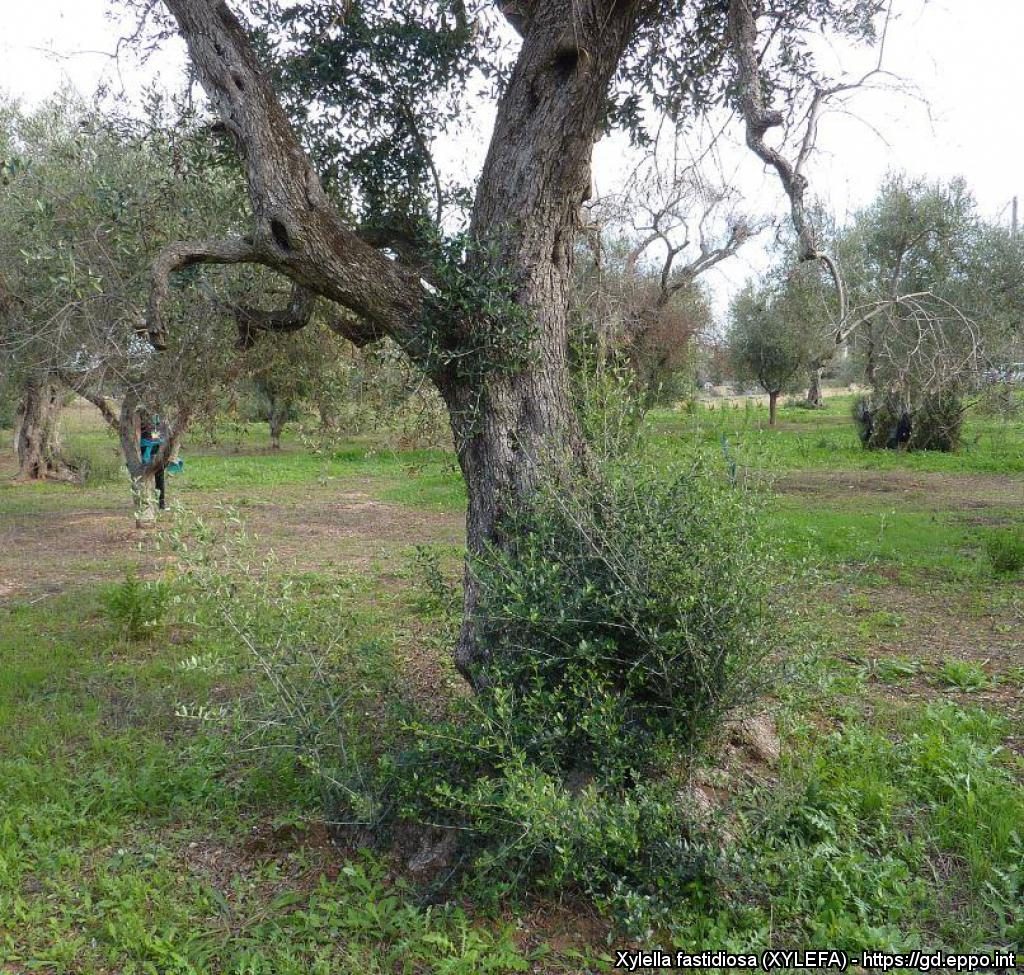
The bacterium that destroyed the olive groves of the Salento: how the biofilm kills the tree by thirst, why the nymph of the vector is the only accessible target, why there is no cure, and the two resistant olive cultivars that are now the one hopeful development.
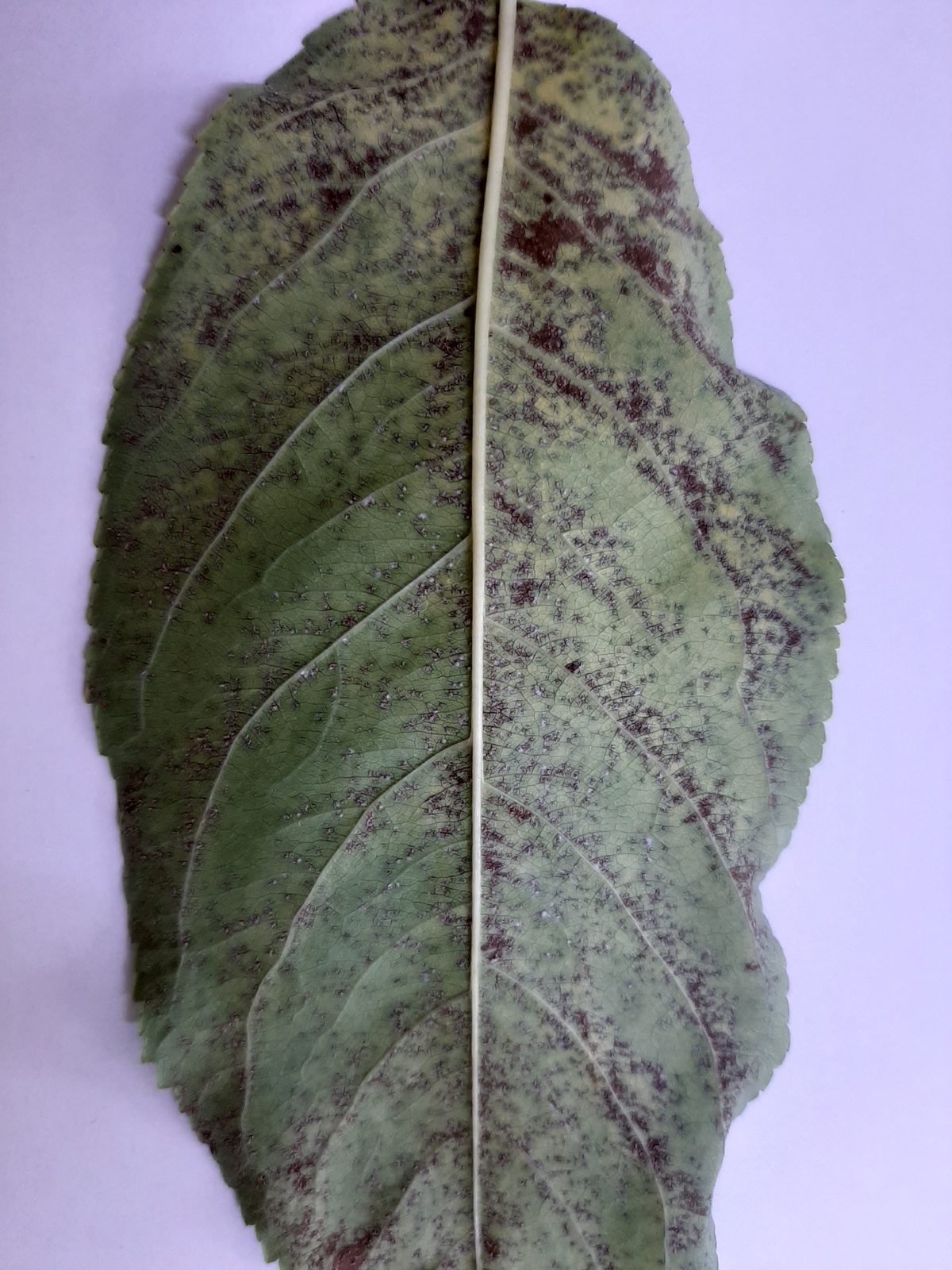
Brown rot, shot hole, cherry leaf spot, leaf scorch, Phytophthora, bacterial canker, crown gall, viruses and European Stone Fruit Yellows, and the pests: cherry fruit fly, spotted wing drosophila, Mediterranean fruit fly, black cherry aphid, Capnodis, wood borers, brown marmorated stink bug, plus cracking. A tool that compares field symptoms against the profiles of 17 causes, with photographs and the one character that separates them.
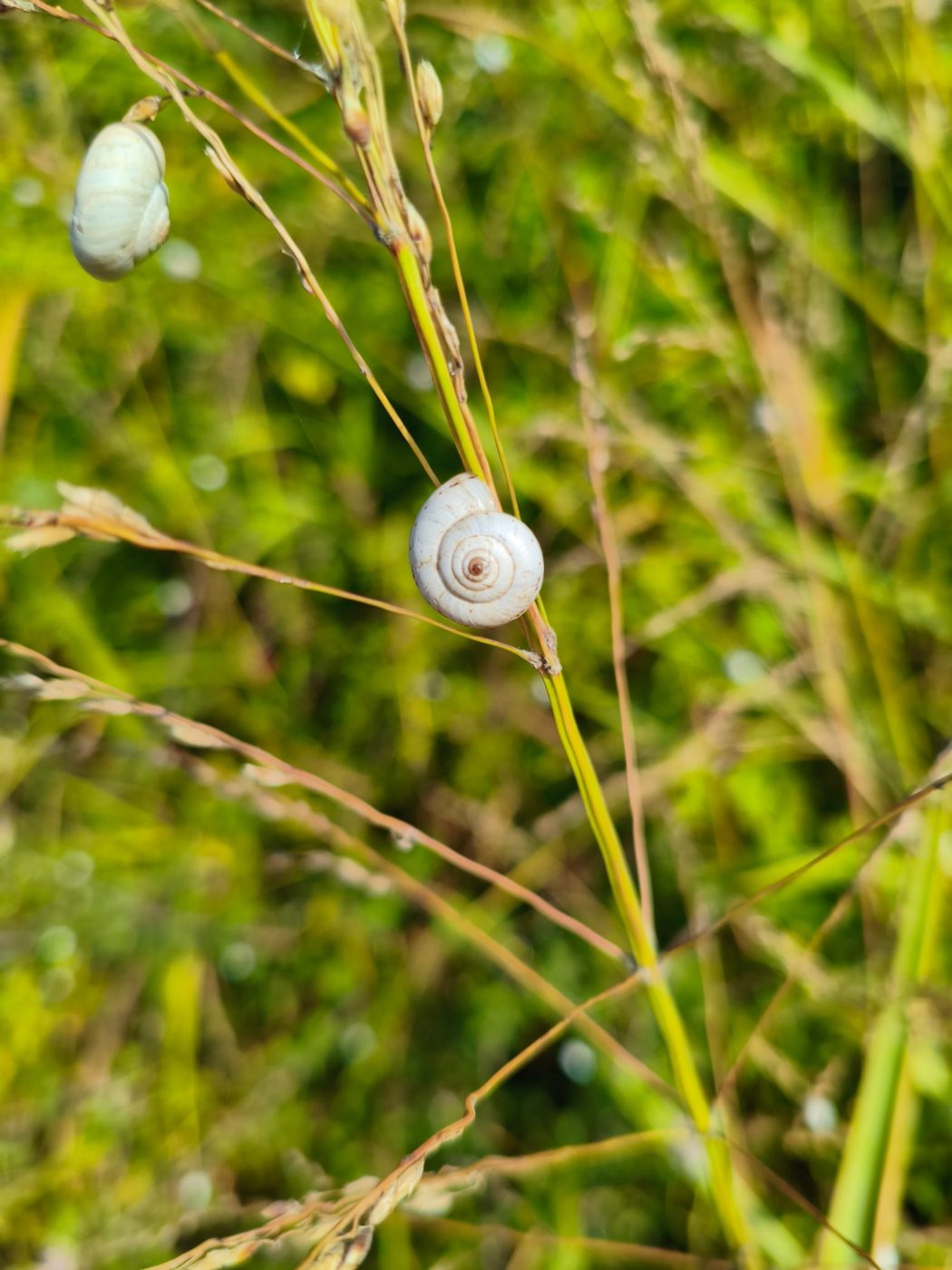
Theba pisana is native to the Mediterranean, not invasive, so there is no eradication programme to wait for. Identification, life cycle, the damage in tree crops, the single approved target in the Greek register, and why the nematode Phasmarhabditis killed the snail only at five times the label rate.
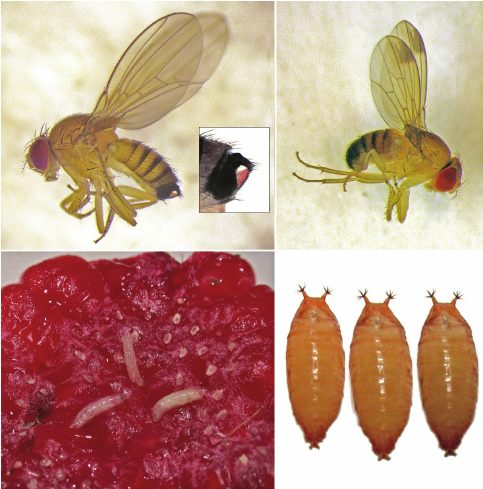
The serrated ovipositor that lets it attack sound fruit, up to 13 generations a year and 300 eggs per female, why males go sterile at 30 °C, and why traps detect but never control.
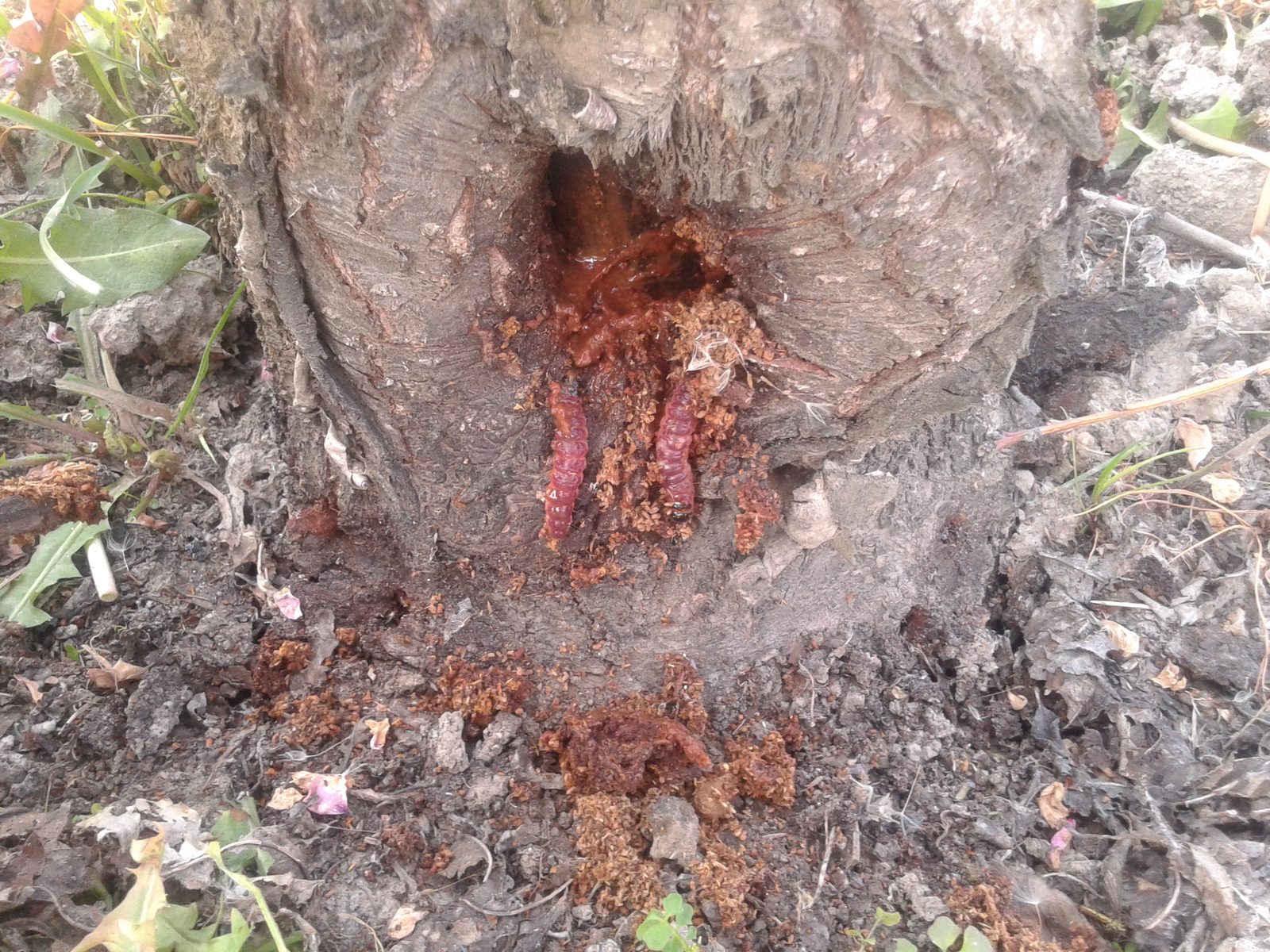
The larva eats the inside of the trunk for two or three years, and the tree fades with stunting, chlorosis and small leaves, the same picture as Phytophthora, Armillaria or a nutrient deficiency. Identification of adult, larva and egg, the multi-year cycle, why it returns to the same trees, the distinction from the leopard moth, and what pheromone traps are actually good for.
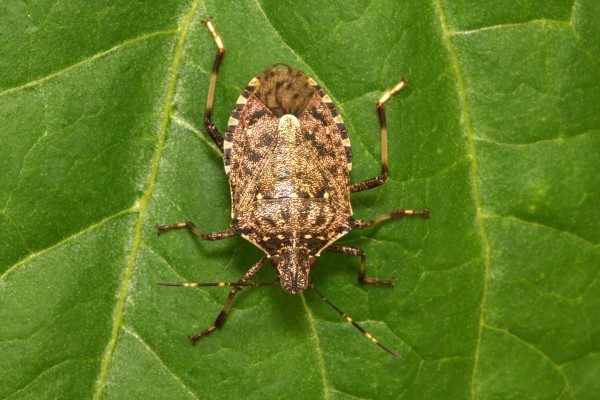
Two overlapping generations a year, 538 degree-days from egg to adult, and a chemical toolbox that keeps shrinking. Greek monitoring data from Imathia and Pieria, the native egg parasitoids already at work, and where the samurai wasp stands today.
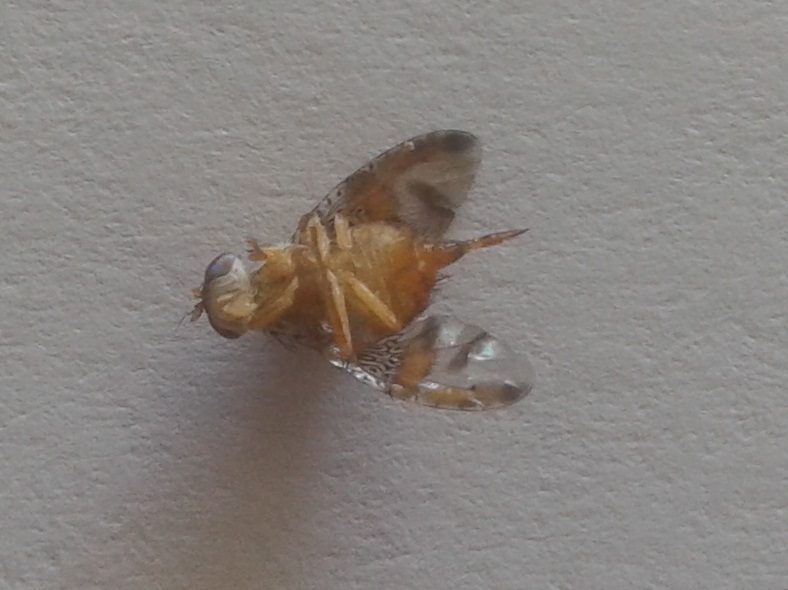
It attacks half-ripe and ripe fruit, which is then lost. In northern Greece it does not strike with the same intensity every year, and the reason lies in how it overwinters. Host range, the life cycle, the number of generations, monitoring with traps and what the traps can and cannot tell, dispersal distance, and the three control tools.

The flat-headed root borer kills apparently healthy trees, with the damage done below ground. Biology, a degree-day model for timing the intervention, why drip irrigation needs adjusting, and what the experimental data show: control of the adults comes from combinations of modes of action and application, not from a single active substance.

Three calculations made every day by eye, and for that reason wrong. How many kilograms of fertiliser a nutrient target needs, what was really applied over the season, and how much manure it takes to lift the organic matter of the soil.