Weather Sign in
Crops

Persimmon (11)

Diseases (1)

Pests and diseases of persimmon (Diospyros kaki) in Europe and Greece: epidemiology, differential diagnosis and action thresholds

Pests and diseases of persimmon (Diospyros kaki) in Europe and Greece: epidemiology, differential diagnosis and action thresholds

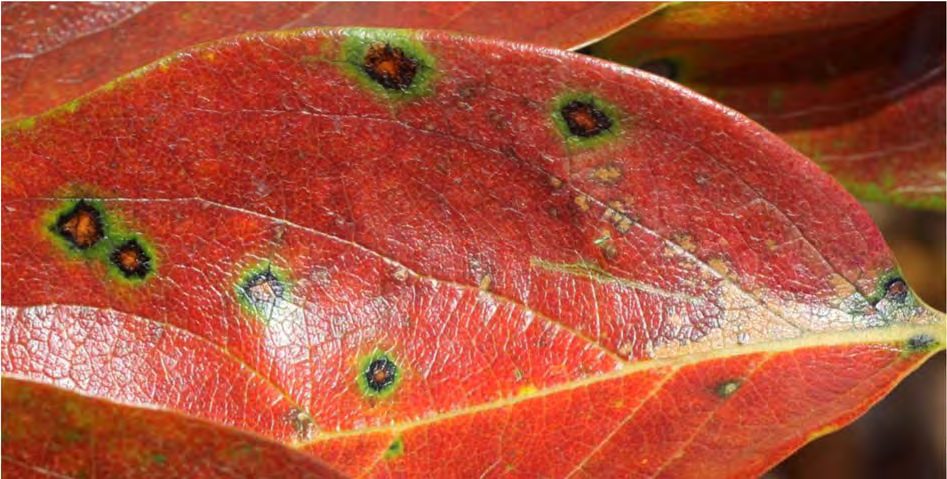
Circular leaf spot (Plurivorosphaerella nawae), the pathogen that adapted to the semi-arid climate of Valencia and is not a quarantine organism, with the comparison between Spain and Korea and the role of drip irrigation. Angular leaf spot, Pestalotiopsis, anthracnose, and the twelve species of Diaporthe, Eutypella and Botryosphaeriaceae identified inside the wood. Postharvest rots: why Alternaria black spot became the limit of storage life after 1-MCP, and how extra irrigation before harvest is paid for in the cold room two months later. Crown gall, vascular wilt, root rots and phytoplasmas. Mealybugs and ants, wax scale, mussel scale, the orange spiny whitefly as a quarantine organism, fruit flies. Herbicide toxicity mistaken for a fungal leaf spot, a differential diagnosis table with fifteen pairs, action thresholds with the sampling method, and the four exotic pathogens threatening the Mediterranean. Thirteen photographs, five from Greek orchards.
Persimmon

Pests (5)

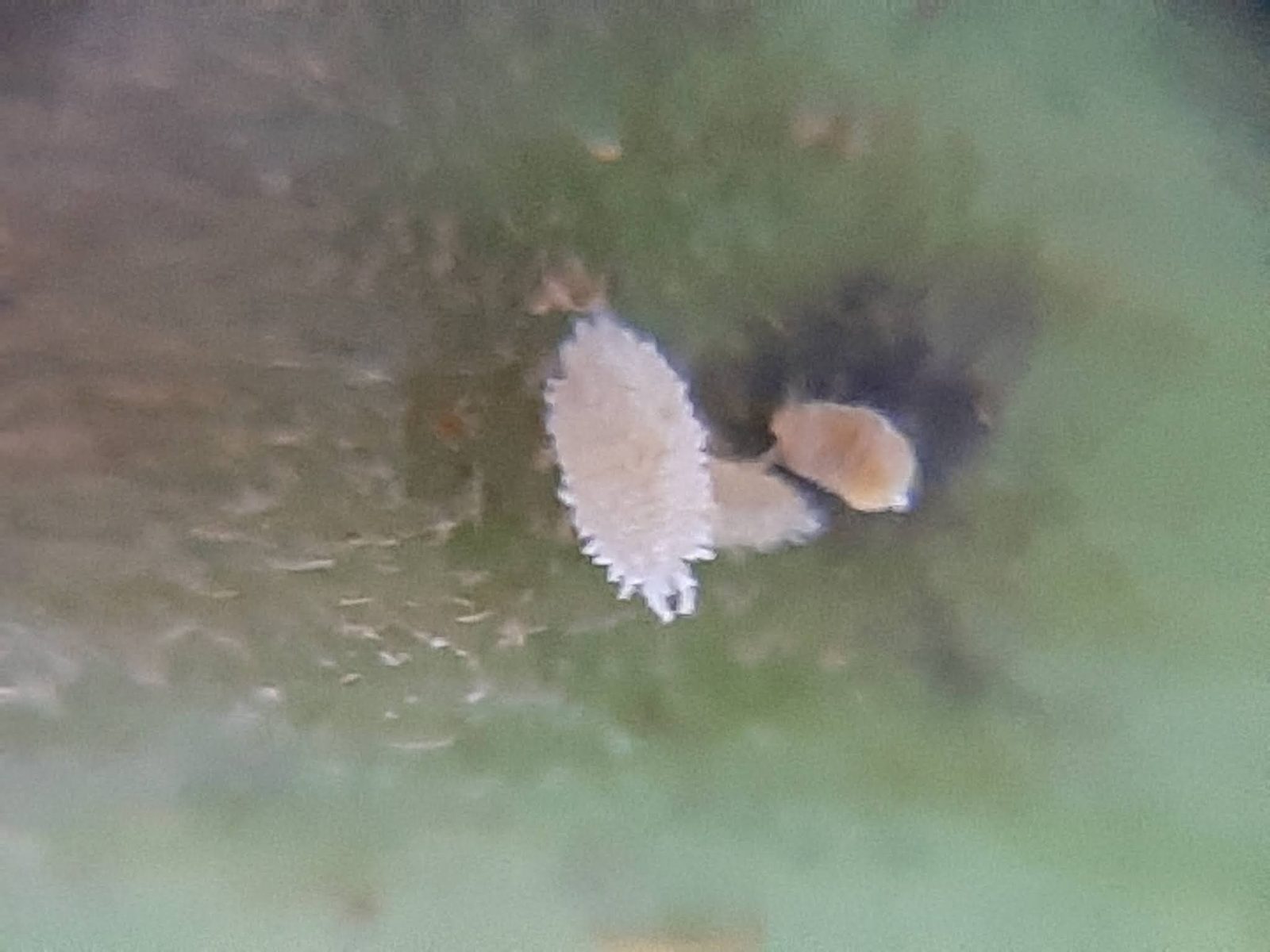
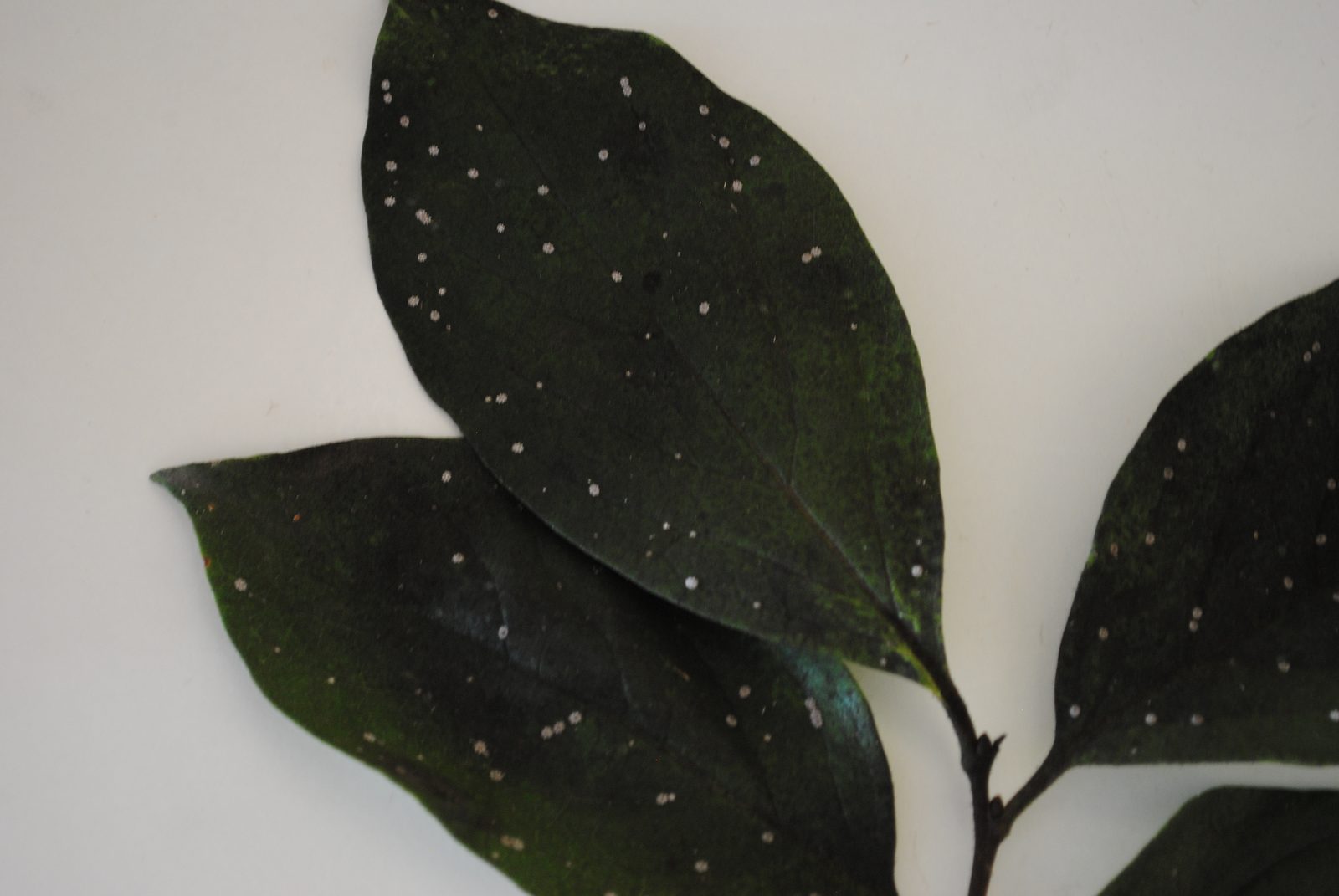
The fig wax scale, Ceroplastes rusci, on fig and persimmon

The fig wax scale, Ceroplastes rusci, on fig and persimmon

No synthetic active substance is authorised against it on fig or persimmon in Greece - only paraffin oils, maltodextrin and potassium salts of fatty acids, all of which act physically. That makes the crawler stage the whole of the treatment window, and coverage more important than dose.

Fig Persimmon
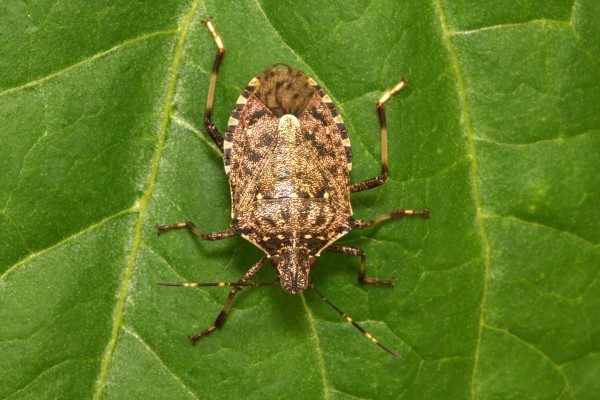
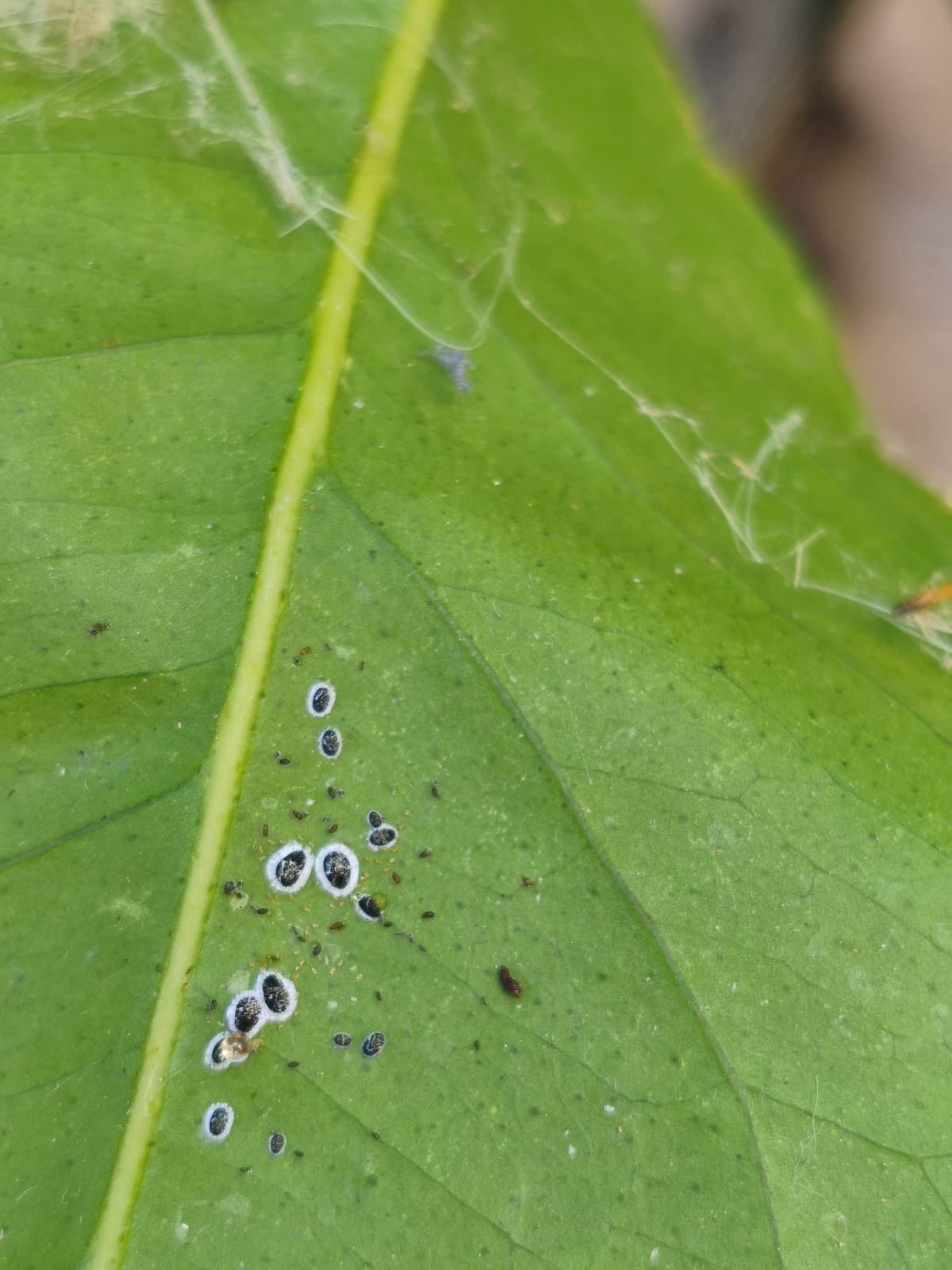
The orange spiny whitefly, Aleurocanthus spiniferus

The orange spiny whitefly, Aleurocanthus spiniferus

An exotic quarantine insect spreading through Greece since 2016. Spraying does not control it and makes matters worse. How it arrived, how it is recognised, the generations, the hosts beyond citrus, the legal obligations that come with quarantine status, and the biological control developments of the past two years that have not yet reached the grower.

Persimmon Olive
Persimmon fruit infested by Pseudococcus comstocki

Persimmon fruit infested by Pseudococcus comstocki

The mealybug hides on the peduncle, beneath the leaf-like calyx, so the infestation is invisible until grading. Why it is Pseudococcus comstocki and not Planococcus citri, how a hand lens tells them apart, and why that changes the spray from August to the April hatch.

Persimmon
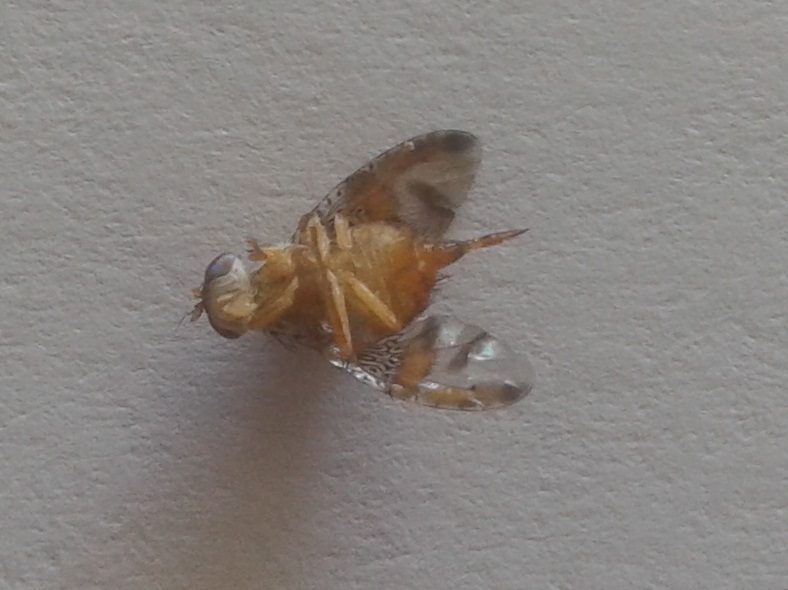
The Mediterranean fruit fly, Ceratitis capitata

The Mediterranean fruit fly, Ceratitis capitata

It attacks half-ripe and ripe fruit, which is then lost. In northern Greece it does not strike with the same intensity every year, and the reason lies in how it overwinters. Host range, the life cycle, the number of generations, monitoring with traps and what the traps can and cannot tell, dispersal distance, and the three control tools.