
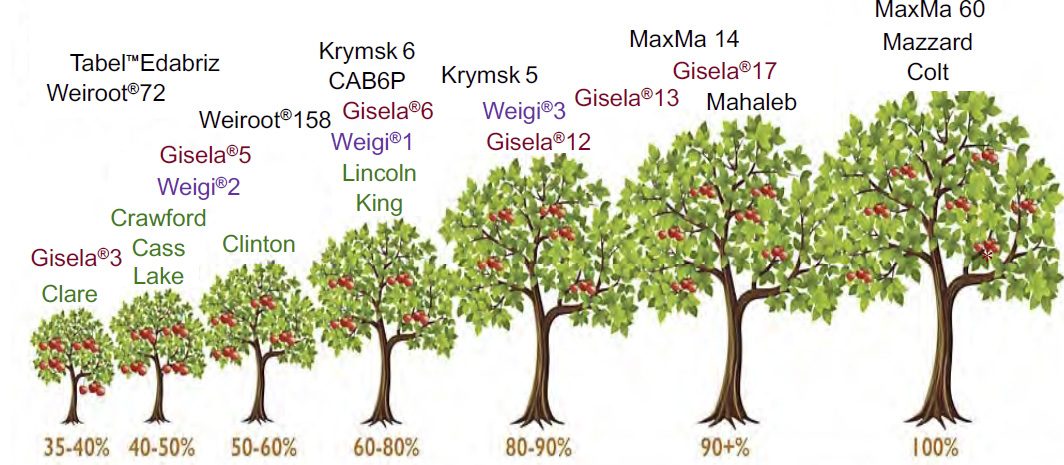
Cherry rootstocks, a detailed guide
Vigour, precocity, yield efficiency, soil adaptation and disease tolerance of the cherry rootstocks, from fourteen sources — and why the same rootstock is a different tree in another field.
Vigour, precocity, yield efficiency, soil adaptation and disease tolerance of the cherry rootstocks, from fourteen sources — and why the same rootstock is a different tree in another field.
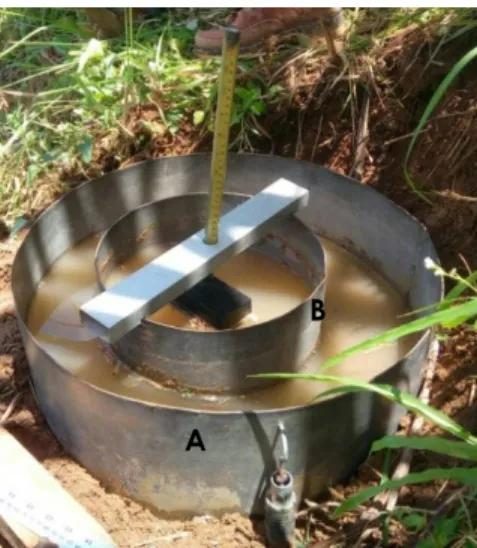
Infiltration, drainage, the profile and the water table are four different questions with four different answers. The FAO ring test, the pit test, the observation pipe and how to read the colours of a soil pit - plus why an 8 L/h dripper ponds on clay.
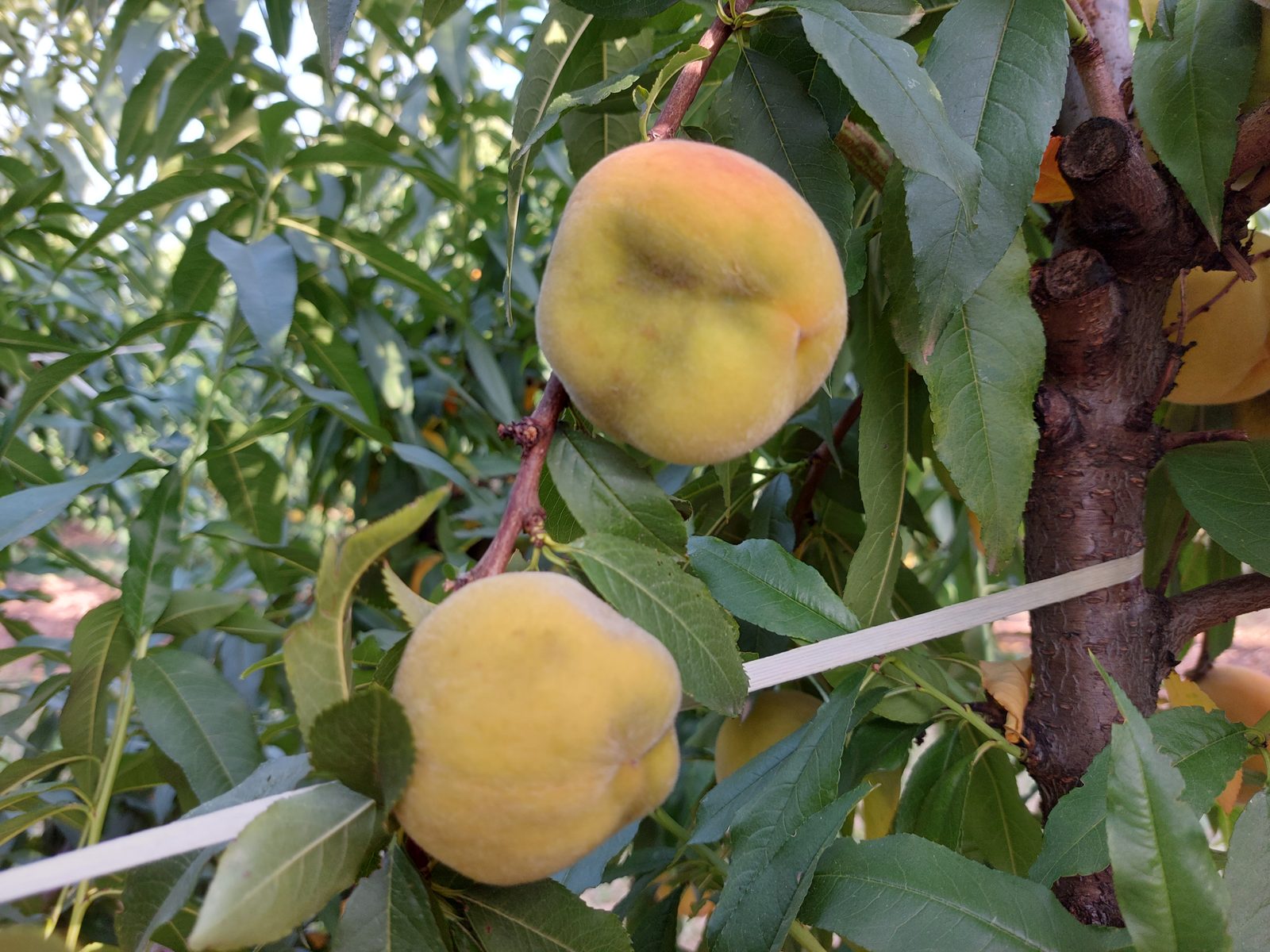
Five years of deformed peach fruit in Pella, the official analyses that ruled out a virus, and fifty years of Chinese research on the same phenomenon — published only in Chinese until now.
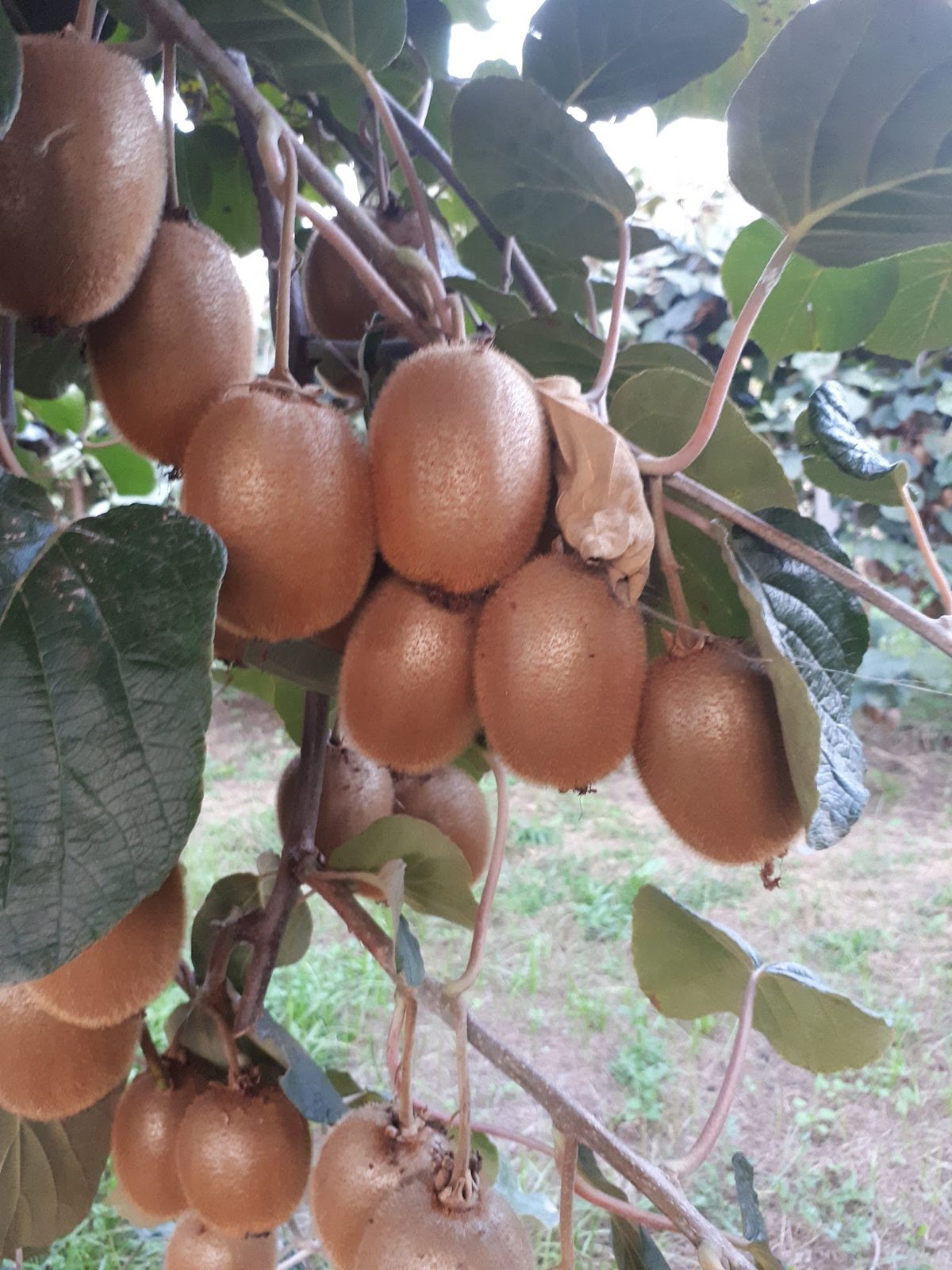
pH below 7.3, two metres free of an impermeable layer, five hours before the root runs out of oxygen in saturated soil. Why kiwifruit does better on loam than on sandy loam, what water quality rules out a block outright, and what it really costs to make a marginal block work.
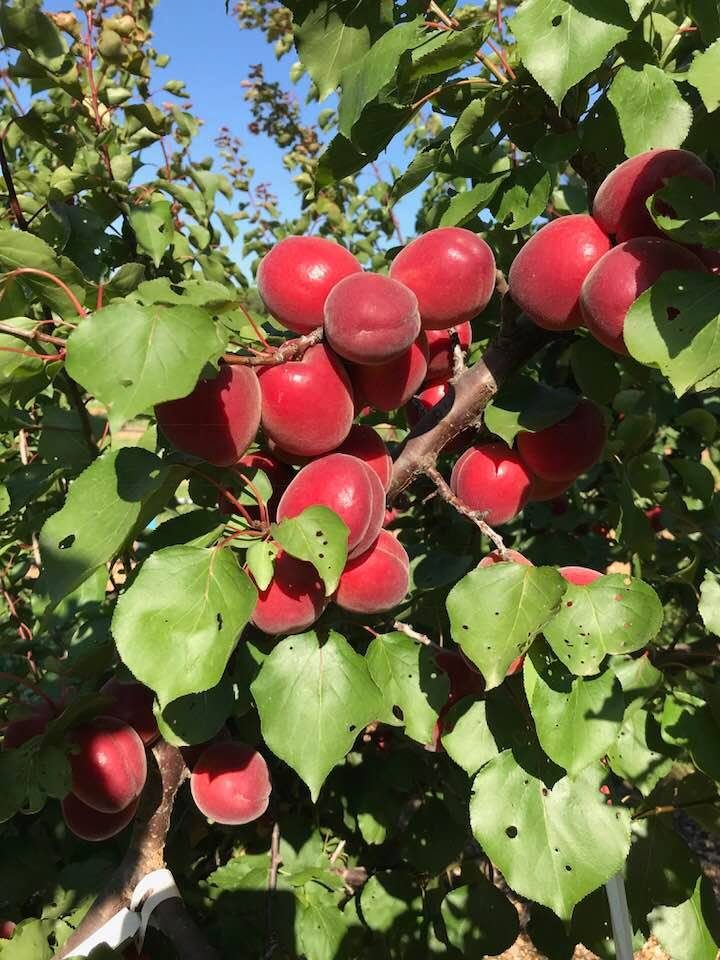
90% of the nitrogen in next spring’s spur leaves comes from reserves stored this autumn, and the pistil forms 7 to 9 weeks after harvest. Autumn urea, boron and zinc - what the trials show, when they work, and the Polish study where only boron did anything at all.
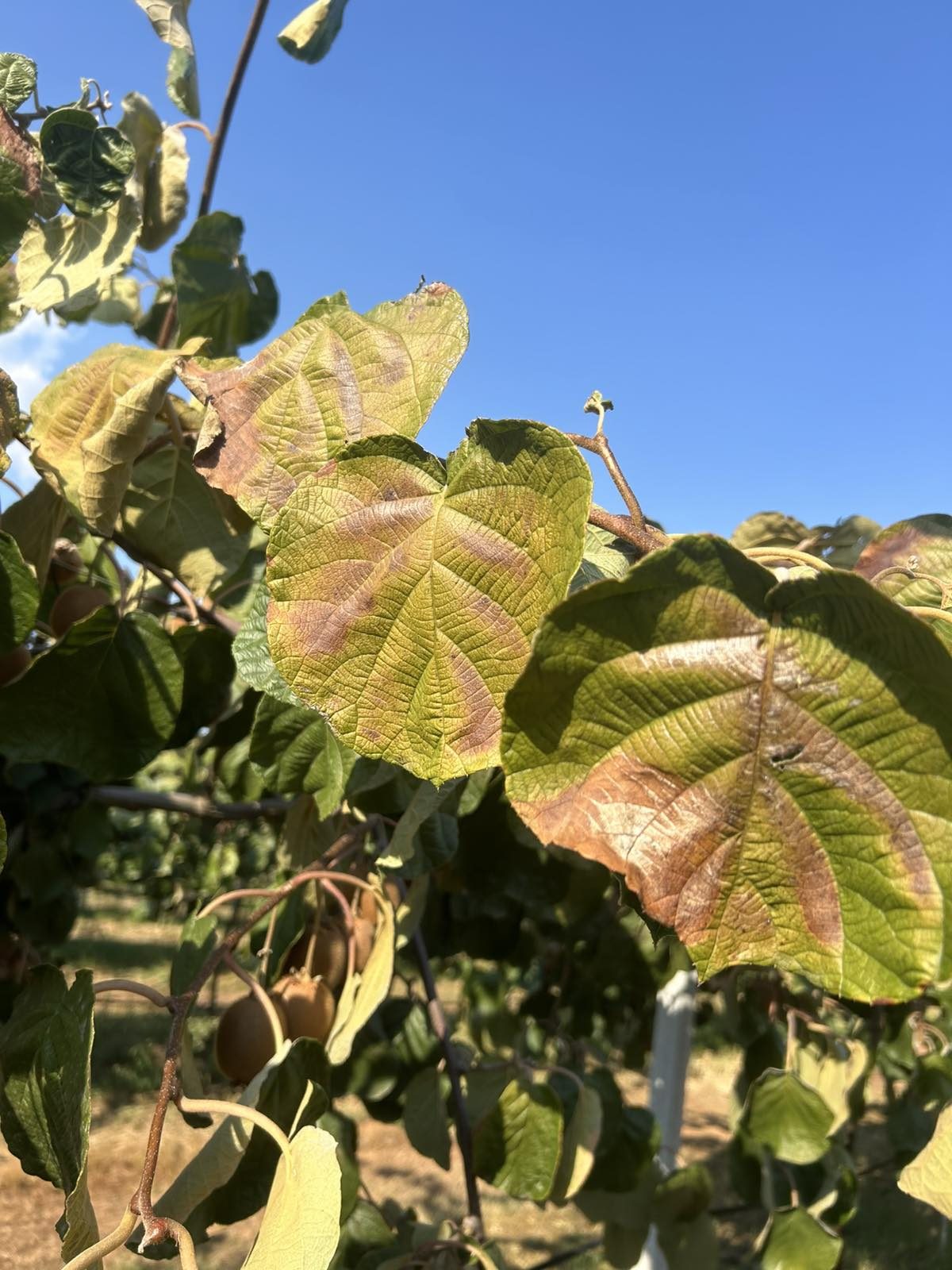
VPD is the force with which the air pulls water out of the leaf. Not humidity, not temperature, but their combination — and it explains why a well-watered tree closes its stomata and stops growing its fruit within two hours. With a calculator, the acceptable ranges, and what to do when they are exceeded.
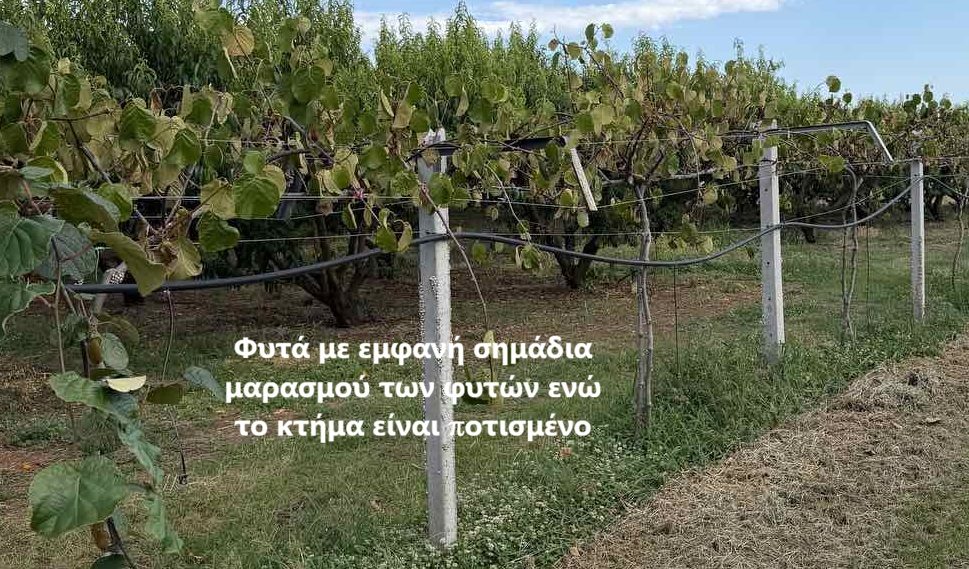
The vine stops lifting water while the soil is wet. Root density, a 2% intercellular space and the five-hour oxygen rule explain why kiwifruit is the extreme case.

Which chelate holds up at which pH, why only Fe-EDDHA works on calcareous soils, how it is injected into the drip line, and the rates per tree and per hectare.
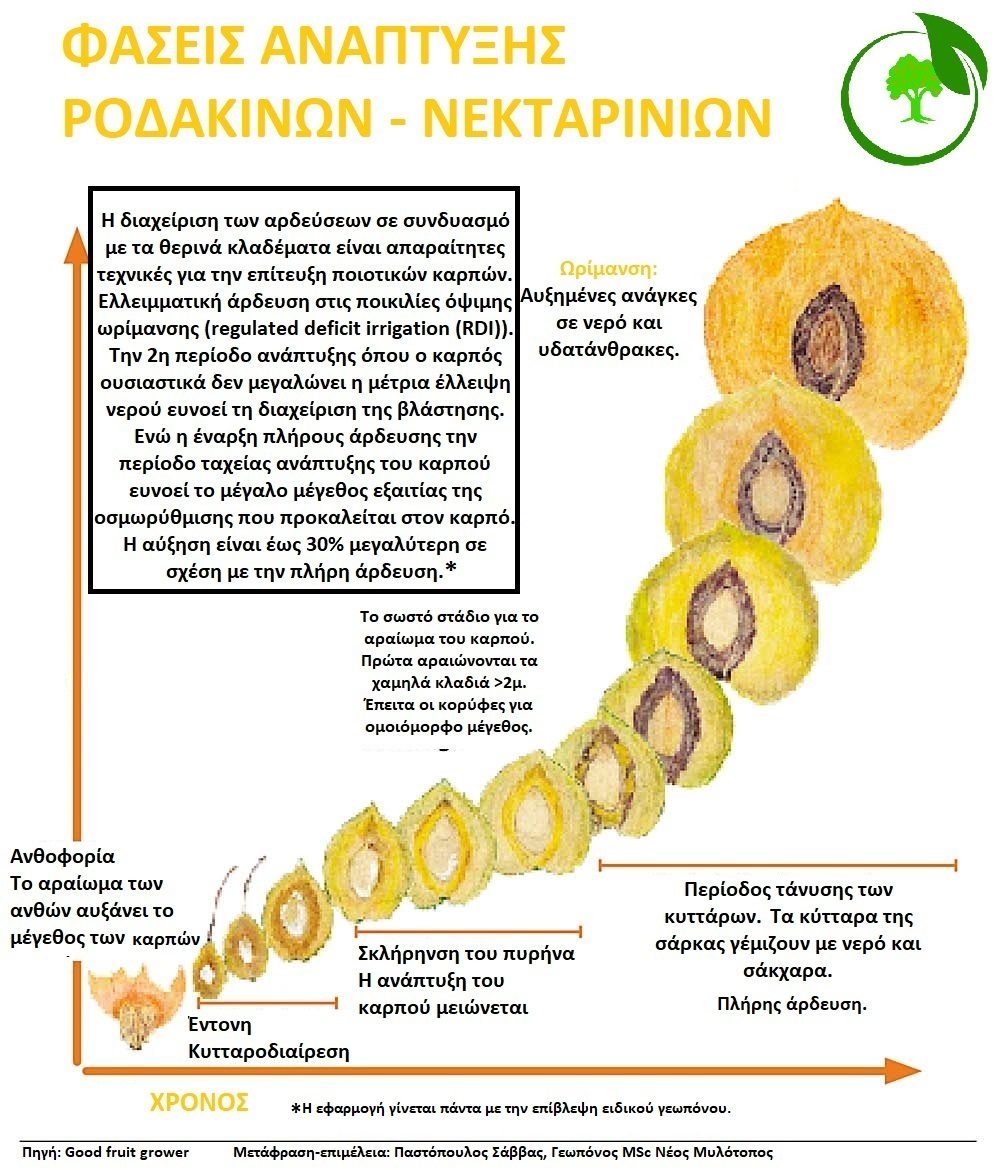
Water is withheld only while the pit hardens and the fruit is not growing. Why it works on late cultivars, why it costs size on early ones, and how the stress is actually measured.
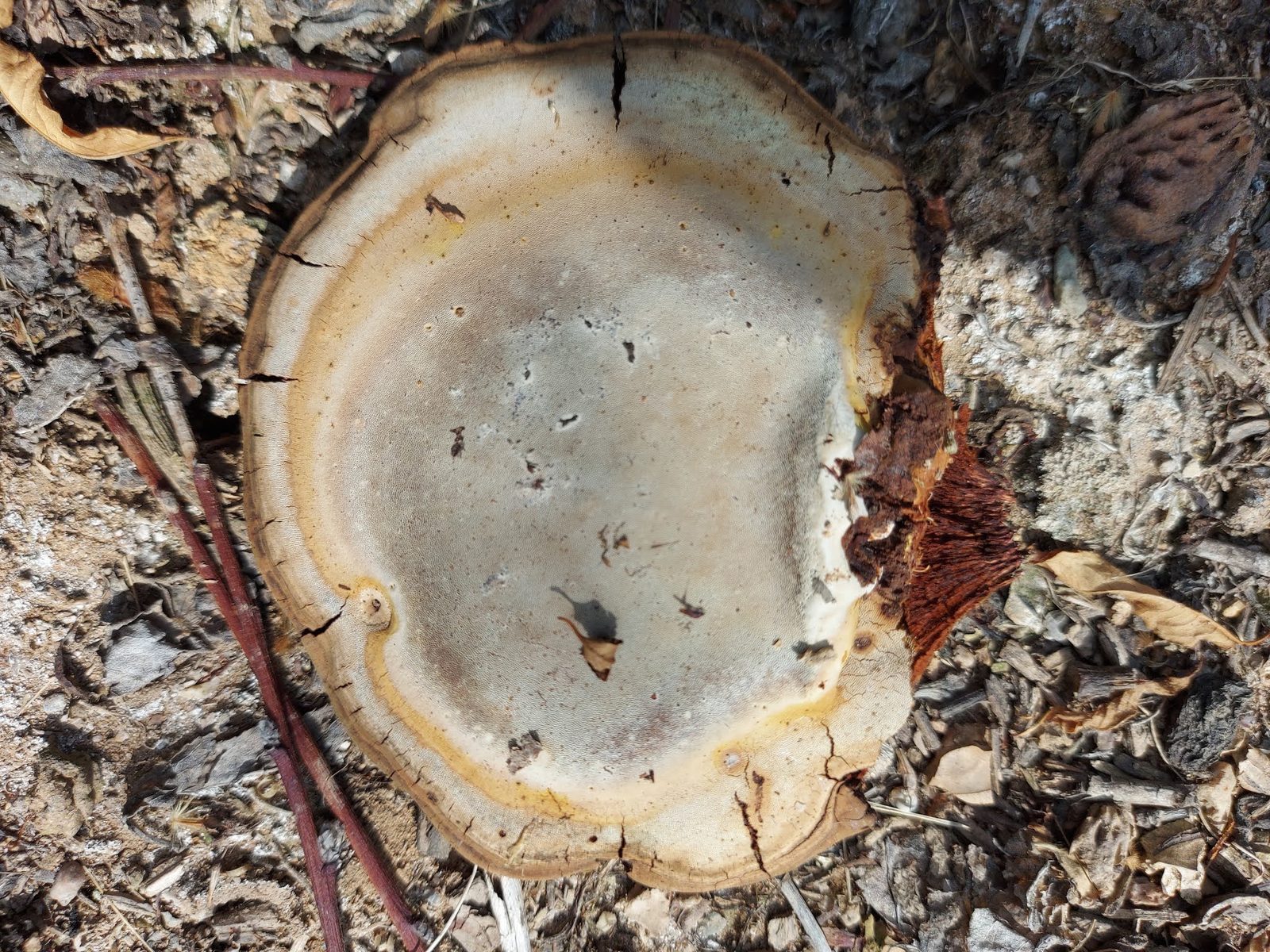
On stone fruit the species is Phellinus tuberculosus, not P. igniarius. It lives inside your own orchard, enters through pruning wounds and works for years before the bracket appears.

Salinity, nitrogen and soil calcium — the three points where persimmon growing does not forgive. With documented limits, planting distances, nutrition, diseases and postharvest. Doses in kg/ha.
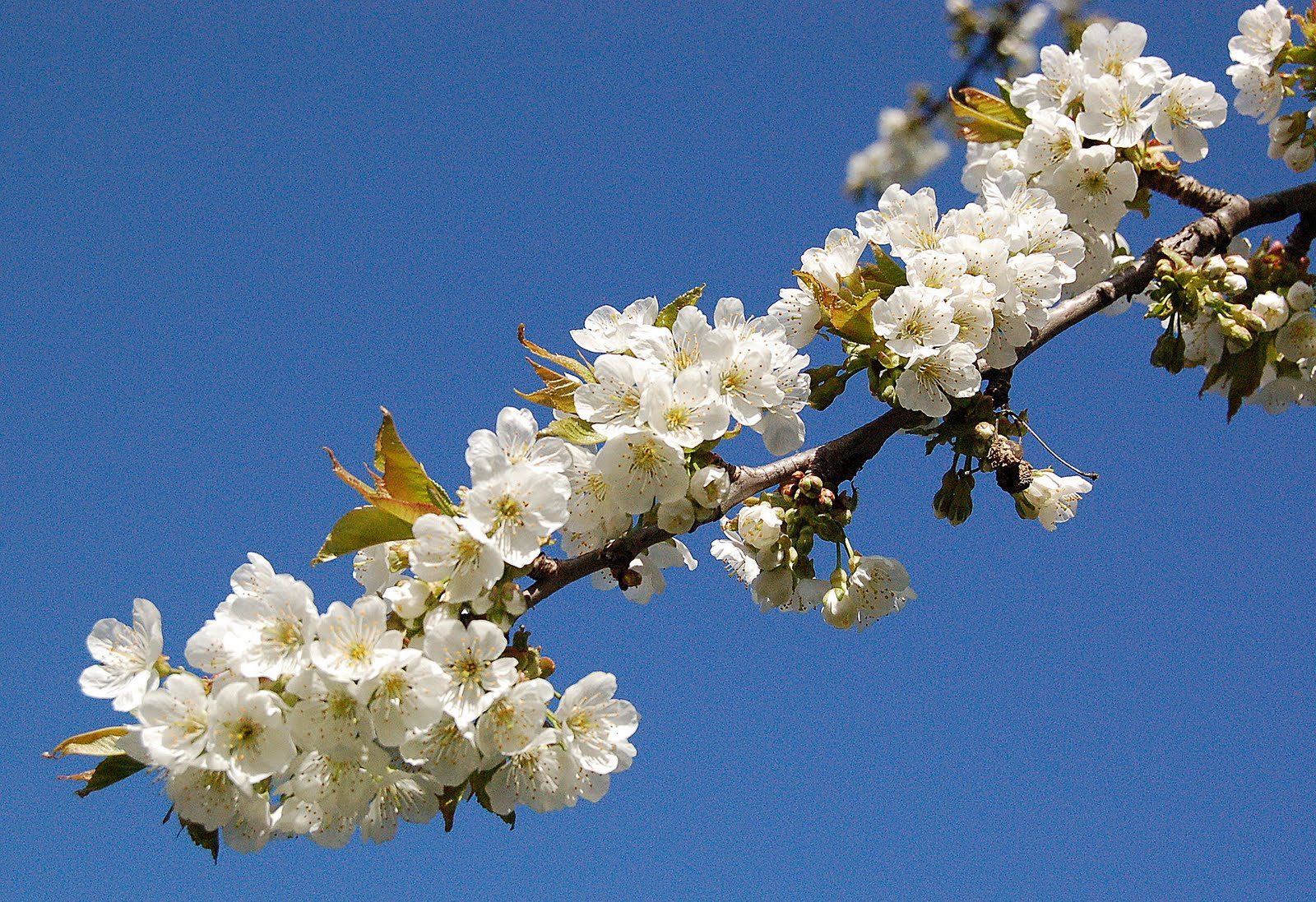
Why December and January dressings are money thrown away, when nitrogen uptake actually starts, and how to split nitrogen, phosphorus and potassium through the season.
Strictly necessary cookies are needed for the site to work. For statistics we need your consent. Details in the Terms of Use and Privacy Policy.