
A survey of leaf analyses in sweet cherry
Savvas Pastopoulos, Agronomist MSc, Pastopoulos Agronomics, Neos Mylotopos, Pella, Greece
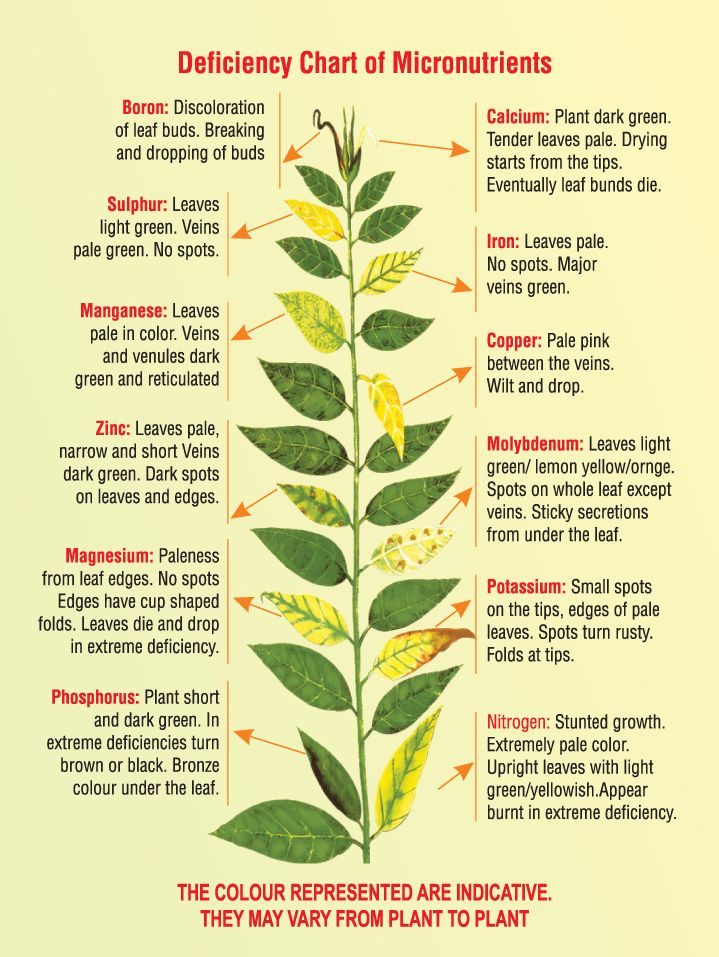
In the summer of 2020, ten leaf analyses (foliar diagnosis) and soil analyses were carried out on cherry leaves, over the period 10/7 – 20/8, on farms in three different areas. The result was revealing, and not in the way that had been expected. In 7 of the 10 orchards the leaves showed nitrogen deficiency, while the soil analyses all indicated sufficiency.
All areas and any application rates in this English edition are given per hectare. The Greek edition uses the stremma, the unit in everyday use in Greece: 1 ha = 10 stremmata, and one "unit" of fertiliser in Greek practice is 1 kg of nutrient per stremma, that is 10 kg of nutrient per hectare. Leaf and soil analysis concentrations (%, ppm) are laboratory values and are reported unchanged.
1. What the survey involved
Leaf and soil samples were taken from 10 cherry farms in three different areas, over the period 10 July to 20 August 2020. On most of them soil analyses had been carried out in previous years, analyses that, as will become clear, proved on their own insufficient to show what was happening inside the tree.
For a result to be comparable with the international reference tables, sampling has to be standardised:
- Timing: the North American protocols specify late July to early August, a period that there corresponds to leaves which have just matured, with stable and predictable concentrations. Those dates are calendar dates and not phenological ones: in the Greek producing regions the growth cycle of the cherry runs earlier, so the equivalent window shifts earlier as well. Comparison with the foreign tables presupposes sampling at the same phenological stage, not on the same date.
- Position: leaves from the middle third of the current season's growth, from shoots growing upwards and outwards, at an angle of 30°–60°.
- Number: 50 leaves per sample, 1–2 leaves from each tree, following an X-shaped route through the block. A single sample should not cover more than about 4 ha.
- Uniformity: the same variety, the same age, the same rootstock, the same vigour, the same soil and the same management.
- Excluded: the outermost trees of the block, trees within two rows of a road, and damaged or soiled leaves.
Contamination from sprays deserves attention. Foliar sprays other than calcium are best completed by June. Some formulations contain nutrients, ziram contains zinc, wettable sulphur contains sulphur, and can distort the result. Spring zinc sprays in particular are not easily washed off the leaf.
2. The sufficiency thresholds, the reference table
Before the findings, a yardstick is needed. The table below brings together the sufficiency ranges for cherry leaves from four different North American institutions. The values do not coincide exactly, but they converge closely enough to give a reliable picture.
| Nutrient | Maryland / Penn State | Washington State | BC Tree Fruit |
|---|---|---|---|
| Macronutrients (% of dry matter) | |||
| Nitrogen (N) | 2.30 – 3.30 | 2.00 – 3.03 | 1.9 – 2.7 |
| Phosphorus (P) | 0.23 – 0.38 | 0.10 – 0.27 | 0.15 |
| Potassium (K) | 1.00 – 1.90 | 1.20 – 3.30 | 1.3 – 1.6 |
| Calcium (Ca) | 1.60 – 2.60 | 1.20 – 2.37 | 1.5 – 2.1 |
| Magnesium (Mg) | 0.49 – 0.65 | 0.30 – 0.77 | 0.37 – 0.46 |
| Trace elements (ppm of dry matter) | |||
| Boron (B) | 39 – 80 | 17 – 60 | not reported |
| Zinc (Zn) | 20 – 200 | 12 – 50 | 17 – 26 |
| Iron (Fe) | 50 – 250 | 57 – 250 | 45 – 100 |
| Manganese (Mn) | 18 – 150 | 17 – 160 | 21 – 300 |
| Copper (Cu) | 6 – 25 | 0 – 16 | not reported |
3. Nitrogen: the major finding
Seven of the ten farms showed moderate or severe nitrogen deficiency, with concentrations of 1 to 1.2%. The distance involved is worth stating plainly: the lowest sufficiency threshold given by any of the institutions is 1.9%. The orchards in this survey stood at half the minimum acceptable value.
And yet the soil analyses all indicated nitrogen sufficiency. The leaves were green, but they held far less nitrogen than the season required.
Nitrogen is not simply "one more element". It is the most important one for the biological functions of the tree, since it is a structural component of proteins, enzymes, nucleic acids and of chlorophyll itself. It is also fundamental to preparing the tree for the following year: the reserves it builds in autumn are essentially carbohydrates and organic nitrogen, stored in the scaffold branches, the trunk and the roots.
Flowering, fruit set and the first flush of growth in cherry take place before the tree has enough foliage to photosynthesise and before the roots begin to take up nutrients efficiently. The soil is still cold, and root activity at low temperatures is limited.
All the energy and all the nitrogen these critical processes need therefore come exclusively from the previous year's reserves. Nitrogen applied in March is used by the May growth onwards, not by the April flowers.
Therefore, the quality of a season's flowering and fruit set was decided in the autumn of the previous season. A tree that entered winter with empty stores will give weak flowering, poor fruit set and feeble early growth, whatever is applied in spring.
4. Calcium
Eight of the ten samples showed a calcium shortage in the leaves. That shortage was linked to the low concentration of calcium carbonate in every soil examined.
Calcium deficiency in cherry is directly linked to fruit cracking and softening. It is not a theoretical problem.
5. Phosphorus and potassium
Both were found sufficient in 9 of the 10 samples: phosphorus 0.5% and potassium 1.96%.
Compared with the reference tables, the picture is more worrying than it looks:
- Phosphorus 0.5%: the upper sufficiency threshold given by the institutions is 0.38%. The value measured here exceeds it by a third.
- Potassium 1.96%: it sits at the upper extreme or above it, depending on the table (1.90% according to Maryland and Penn State, 1.6% according to BC).
In effect, these trees were not short of phosphorus and potassium, they had an excess of them, while starving for nitrogen. That is no coincidence; it is the signature of a particular way of thinking about fertilisation.
What the data showed about availability
- Phosphorus does not follow the soil. Even in soils with low phosphorus concentrations, the concentration in the leaves was satisfactory. With one exception: the single orchard with pH 8 was also the only one with phosphorus deficiency, confirming that high pH locks phosphorus into insoluble calcium phosphates.
- The same applies to potassium. It was sufficient in every leaf sample, while in several orchards the soil showed a shortfall. A likely explanation: the use of crystalline fertilisers rich in potassium close to harvest.
- Magnesium was sufficient in every sample, in the leaves as well as in the soil.
The general tendency growers express appears to burden the overall nutritional status of the tree. All the farms had received both base and topdressing fertilisation, the latter mainly with potassium nitrate.
Potassium is not the enemy. But in cherry the balance is different from what is commonly assumed: cherry needs more nitrogen than potassium, in a ratio that in practice approaches 1.6 to 1. The subject is developed in detail, with the nutrient removal figures, in the article on sweet cherry growing. Fertilising with potassium nitrate in order to "grow the fruit" raises potassium far faster than nitrogen, and at the same time obstructs calcium.
6. The trace elements
Among the trace elements there was wide variability, and this is where the findings diverged most.
Iron and manganese, governed by pH, not by quantity
Both showed their highest concentration where the soil pH was neutral or acid, and, notably, irrespective of the concentration of those elements in the soil.
The mechanism is chemical. In the soil, iron is present mainly in its trivalent form, as Fe³⁺. At high pH this form precipitates as insoluble iron hydroxides and oxides, which the root cannot take up. The plant takes up iron only after reducing it to the divalent form, Fe²⁺, at the root surface, and to do that it must first acidify the rhizosphere by releasing protons.
In calcareous soils, however, the bicarbonate ions act as a buffer: they neutralise the protons the root releases and do not allow the pH around it to fall. The entire reduction and uptake mechanism is thereby blocked. Much the same applies to manganese.
In the field, a calcareous soil may contain abundant iron while the tree shows chlorosis, because the iron is in a form that cannot be used. Adding more iron in an inorganic form, iron sulphate, for example, to the soil simply adds to a reserve that is already unavailable. Three approaches make sense: a gradual reduction of the rhizosphere pH with acidifying fertilisers or sulphur, the use of chelated iron forms stable at high pH, such as Fe-EDDHA, and foliar applications that bypass the soil entirely.
Boron, sufficiency even in soils that did not hold it
Boron was sufficient to more than sufficient in the leaves, irrespective of the concentrations in the soil. Soils with minimal boron gave leaves with adequate boron.
This is not an analytical error, it has a physiological explanation, and it deserves separate analysis.
In most plants boron is considered immobile in the phloem: once it reaches a leaf, it stays there. That is why boron deficiencies always appear in the young organs.
The genera Prunus, Malus and Pyrus, however, are an exception. They transport the products of photosynthesis mainly as sorbitol, and boron forms stable complexes with sorbitol. The result is that in cherry, apple and pear boron circulates freely within the plant and is redistributed from the leaves towards the flowers and the fruit.
Two practical consequences. First, a tree can meet its needs by recycling the boron it already holds, even where the soil is poor, exactly what was observed here. Second, and more important in practice: a foliar spray of boron is genuinely effective in cherry. Boron absorbed by the leaf binds to sorbitol, enters the phloem and is transported to the places that need it, the flower buds, the flowers and the developing fruit. In crops where boron remains immobile, a foliar spray raises the concentration only in the leaves that were wetted and does not benefit the other organs of the plant.
The role of zinc in the tree also explains the symptoms. It is essential for the synthesis of the amino acid tryptophan, which is the precursor of auxin, the hormone that controls cell elongation. When zinc is lacking, auxin production falls, and the cells of the new shoots and leaves do not elongate normally. From this come the characteristic symptoms: small, narrow leaves, very short internodes that give the shoots a rosette appearance, and reduced fruit set. Zinc is also involved in a large number of enzymes and in chlorophyll synthesis, which is why it is often accompanied by interveinal chlorosis.
7. Why the soil said one thing and the leaf another
This is the substance of the whole survey. The soil indicated nitrogen sufficiency, and the leaf deficiency. The soil indicated a potassium shortfall, and the leaf sufficiency. The soil indicated minimal boron, and the leaf more than sufficiency.
The soil analysis answers "what is there". It measures reserves. It does not know whether the tree can take them up.
The leaf analysis answers "what the tree took up". It is the only one that shows the real nutritional status.
Between the two stand pH, the structure and aeration of the soil, moisture, the health of the root system and the antagonisms between the elements. A soil rich in iron at pH 8 feeds a tree that is chlorotic.
The correct conclusion is that the soil analysis on its own is not enough. The leaf analysis says that a problem exists; the soil analysis says why. Without the second, it is known that nitrogen is short but not whether the cause is the rate, the pH, the aeration or the root, and therefore it is not known what to correct.
8. What is done after harvest
Nitrogen and zinc were the two elements needing immediate correction in almost all the leaves examined. This confirms the guidance that sets application of nitrogen and zinc after harvest as the most appropriate practice for building proper reserves for the following year.
What is done
- Nitrogen after harvest, while the foliage is still active. The tree converts it into storage proteins on which it will draw in spring.
- Zinc, by an autumn foliar spray. In calcareous soils, soil application has little effect.
- Calcium during early fruit development, not later. The reason is set out in detail in the box that follows.
A foliar spray onto trees carrying fruit can mark the fruit and scorch the foliage. A trial on a limited number of trees, with the same product and the same rate, followed by a wait of 5 to 7 days, is required before general application. The spray is applied late in the afternoon or early in the morning, never during a heatwave and never onto water-stressed foliage.
Calcium obeys three physiological constraints which, together, determine exactly when applying it makes sense:
First constraint, it is taken up only by the young rootlets. Calcium enters the plant almost exclusively through the young, unsuberised root tips. Old, suberised roots have an impermeable outer layer and take no part. A tree with a damaged or aged fine root system therefore cannot take up calcium, however much of it is present in the soil.
Second constraint, it travels only in the xylem. Once inside the plant, calcium rises exclusively through the xylem vessels, carried by the transpiration stream. It is not transported in the phloem and is not redistributed: whatever has been stored in a leaf stays there permanently and cannot be given to the fruit later. This sets calcium radically apart from nitrogen, potassium or boron, all of which circulate freely.
Third constraint, the fruit stops being supplied by the xylem. In the early stages, while the fruit is in the cell division phase, roughly the first four to six weeks after full bloom, its connections to the xylem work normally and calcium enters. As the fruit grows, however, the functionality of the xylem vessels towards the fruit declines progressively and its supply passes almost entirely to the phloem. The phloem carries sugars and potassium, but essentially no calcium.
The practical consequence. From the moment the fruit enters the cell expansion phase, the route that could bring calcium to it has already closed. Applications made then raise the calcium of the leaves, not of the fruit, and leaf calcium, as noted above, will never move towards the fruit. Calcium applications therefore make sense from petal fall and for the following six weeks or so, and not after harvest or in the final stages of ripening.
9. The limitations of this survey
The above is not a formal scientific publication and is not presented as one. Its limits have to be stated clearly:
- It was not carried out on a randomised sample. The ten farms were chosen on the basis of an existing working relationship, not by statistical design.
- The effect of the fertilisation each grower had applied was not taken into account, so causation cannot be attributed.
- The sampling window was wide. The international protocol specifies late July to early August; the samples of 10 July are somewhat early and are not comparable with the same precision.
- Ten samples are few for drawing general conclusions about a whole region.
- The sufficiency thresholds are North American. They have been calibrated in another climate, on other rootstocks and in another phenological sampling window. Greek or Mediterranean reference thresholds for cherry are not available, so the label "deficiency" means here a divergence from a foreign scale and not a measured Greek threshold.
The data will be used as a guide for future, better-designed observations. Despite the limitations, however, the divergence between the soil picture and the leaf picture was so systematic, 7 out of 10 for nitrogen, that it is hard to explain as chance.
10. Conclusions
- Nitrogen and zinc were in generalised deficiency, and they are precisely the two elements that are corrected after harvest.
- Phosphorus and potassium were at the upper sufficiency threshold or above it. Which is to say, the elements that are not short are fertilised systematically, while those that really are short are neglected, and at the same time, through potassium–calcium antagonism, a third deficiency is made worse.
- pH determines the trace elements more than their quantity in the soil does.
- Leaf analysis is now indispensable for anyone who wants to see what is really happening inside the trees, but it is read together with the soil analysis, not instead of it.
11. Sources
- Primary data: 10 leaf and soil analyses on cherry, Pastopoulos Agronomics, 10/7 – 20/8/2020, three areas.
- Leaf Tissue Analysis and Interpretation, BC Tree Fruit Production Guide. Source of the sufficiency threshold table for cherry (compiled from University of Maryland, Penn State University, Washington State University and BC Tree Fruit) and of the sampling protocol.
- Nutrient Management in Sweet Cherries, Washington State University Tree Fruit.
- Leaf Tissue Analysis, Washington State University Tree Fruit.
- Brown, P. H. and Hu, H. 1996. Phloem mobility of boron is species dependent: evidence for phloem mobility in sorbitol-rich species. Annals of Botany 77(5):497–505. Source for the mobility of boron in the genera Prunus, Malus and Pyrus.
- Assessing Nutrient Losses and Recycling in Sweet Cherry Orchards: A Yield-Based Approach. Agriculture 15(12):1312 (2025), a Greek study on nutrient removals and the nitrogen–potassium relationship.
Plant protection product approvals. Approvals issued by the Greek Ministry of Rural Development and Food (YPAAT) are valid in Greece only and do not apply to any other country. Plant protection products are used solely in accordance with the approvals in force in the country of use and with the product label. Readers outside Greece have to check the registration status of any product with their own national authority.
Foliar sprays. A foliar spray onto trees carrying fruit can mark the fruit and scorch the foliage. A trial on a limited number of trees, with the same product and the same rate, followed by a wait of 5 to 7 days, is required before general application. The spray is applied late in the afternoon or early in the morning, never during a heatwave and never onto water-stressed foliage.
Every intervention is carried out at the user's own responsibility and following an on-site assessment by a licensed agronomist. Pastopoulos Agronomics accepts no liability whatsoever for the use of the above information.
Related articles
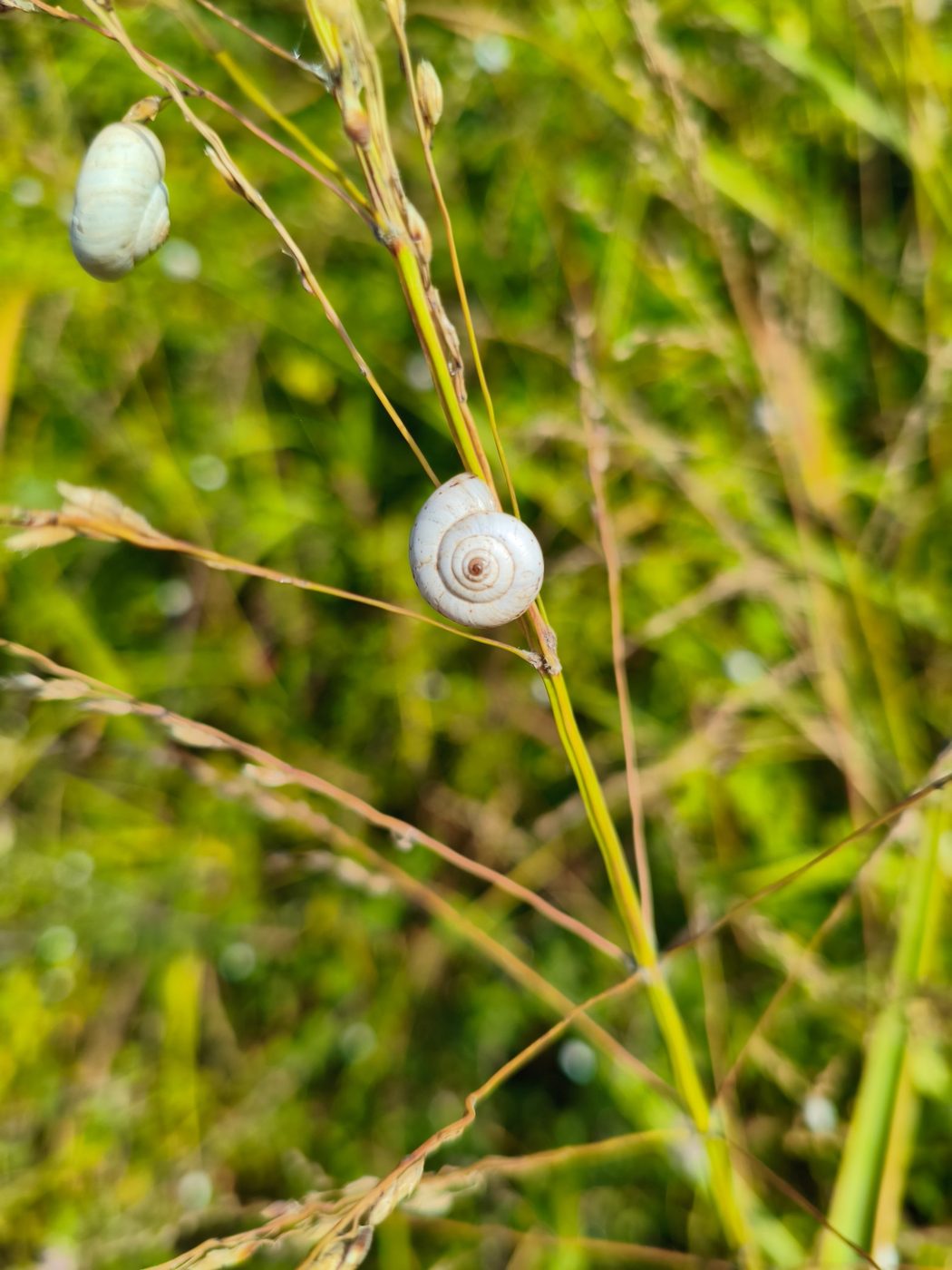
The white Mediterranean snail in tree crops
Theba pisana is native to the Mediterranean, not invasive, so there is no eradication programme to wait for. Identification, life cycle, the damage in tree crops, the single approved target in the Greek register, and why the nematode Phasmarhabditis killed the snail only at five times the label rate.
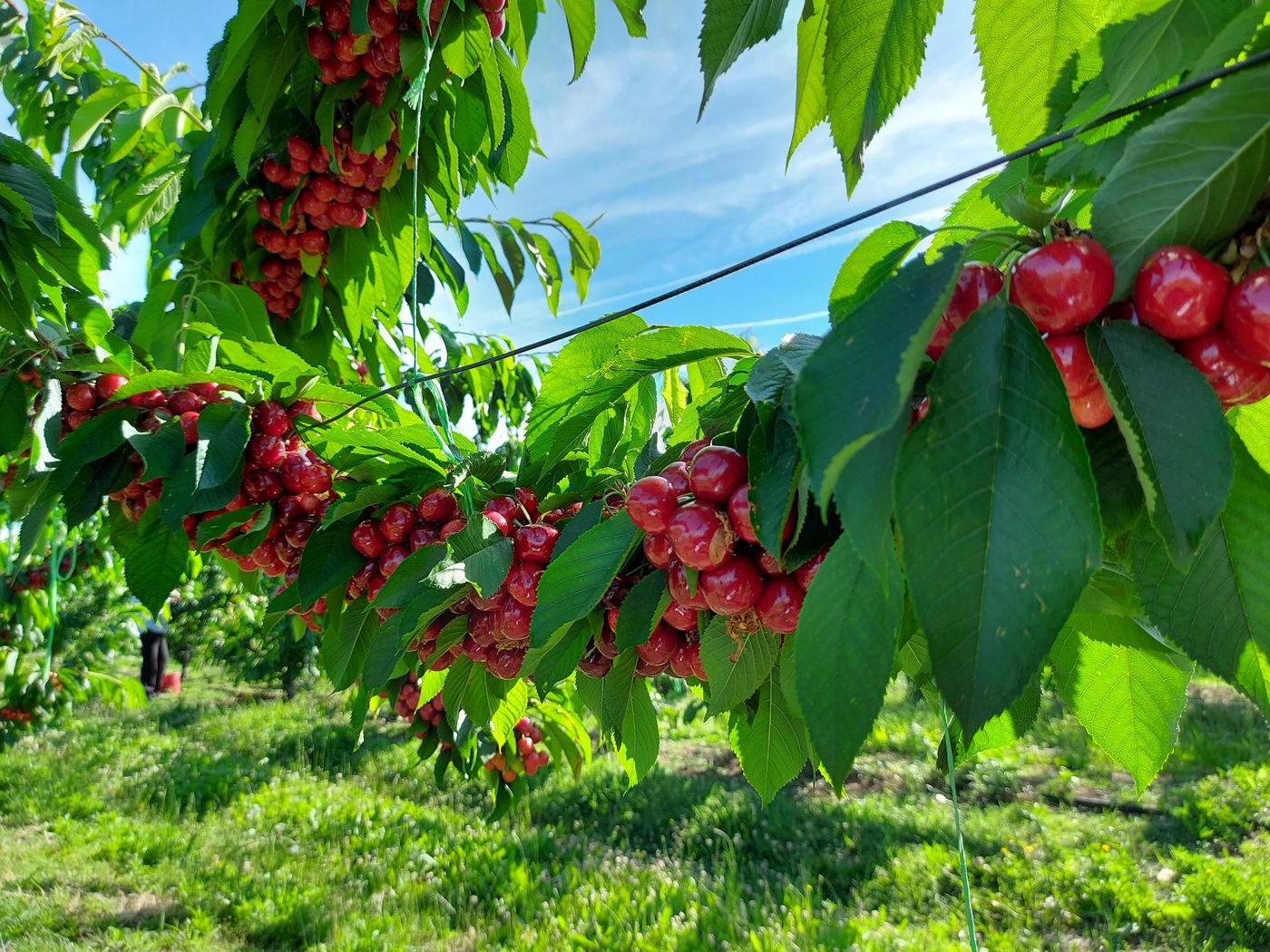
The Meda sweet cherry series
Six club varieties selected for at least 35 to 40 days of post-harvest life, for sea freight to China. Ripening, size, sugars and S genotypes as published, the two pairs that cannot pollinate each other, chilling figures with no model stated, and the fact that every measurement comes from covered plantings outside Greece.
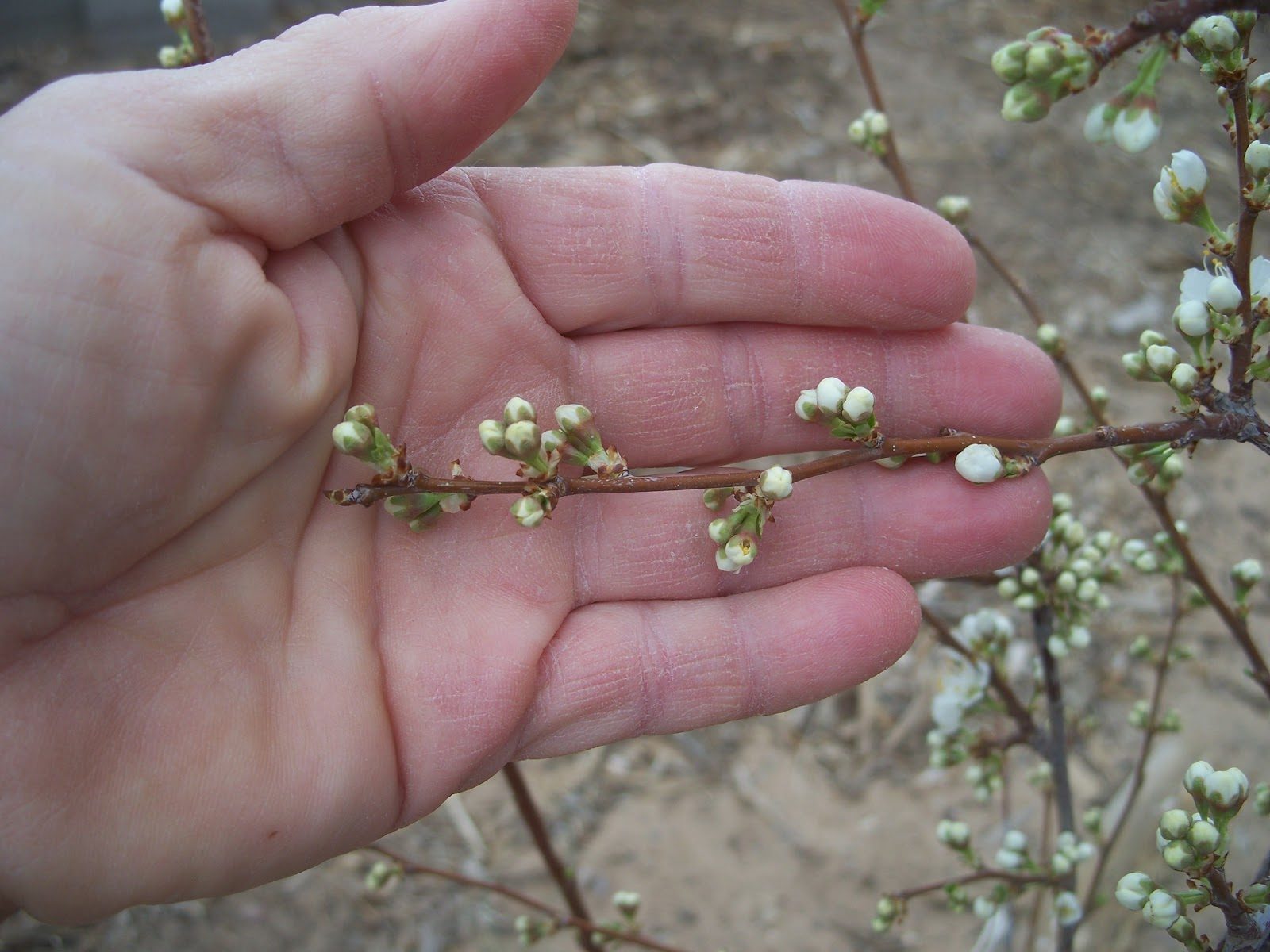
Chilling hours: the three models and when each one tells the truth
Chilling Hours, Utah Chill Units or Dynamic Chill Portions, what each measures, which suits which climate and season, why a chill portion does not convert into hours, and how the divergence between the three is read. The calculation itself lives in a separate tool.