
Walnut cultural practice: establishment, spacing, irrigation and nutrition

Savvas Pastopoulos, Agronomist MSc, Pastopoulos Agronomics, Neos Mylotopos, Pella, Greece
Walnut is the crop where establishment errors are paid for over forty years. Planting distance, rootstock, the cultivar and pollinizer combination and soil depth lock in the ceiling on yield before the first tree goes into the ground, and no fertiliser programme corrects them later. This article gathers the quantitative evidence behind each of those decisions, together with the three findings that conflict with prevailing practice: that pruning young trees does not pay, that so-called high-density planting does not ultimately give the highest yield, and that irrigation must be judged against a baseline that moves with the weather rather than against a fixed number.
All rates are given per hectare, following international convention. The Greek edition of this article uses stremmata and units, the measures Greek growers work with: 1 hectare = 10 stremmata, and 1 unit = 1 kg of nutrient per stremma, so 1 unit per stremma equals 10 kg per hectare. Decimal separators follow English convention (a point for decimals, a comma for thousands).
The subject here is cultural practice only: soil, climate, rootstocks, cultivars, pollination, spacing, irrigation, nutrition, floor management, harvest and drying. Pests and diseases of walnut are the subject of a separate article. Detailed treatments of the two most important problems already exist: walnut blight and walnut anthracnose. Pruning and training are also covered in a separate article; what appears here is confined to the link between pruning, light interception and yield.
- Walnut in Greece in numbers
- Site selection and soil
- Climate: chill, frost, heat
- Rootstocks
- Cultivars: terminal and lateral bearing
- Pollination and dichogamy
- Planting distances and light interception
- Establishing the orchard
- Irrigation
- Water quality: salinity, boron, chloride
- Nutrition
- Soil and floor management
- Pruning and yield
- Harvest, drying, storage
- The annual calendar
- Sources
1. Walnut in Greece in numbers
According to the Annual Agricultural Statistical Survey of the Hellenic Statistical Authority for 2023, the walnut area in Greece was 16,640 hectares producing 54,800 tonnes, against 16,360 hectares and 54,800 tonnes in 2022 [1]. Three years earlier, in 2020, the area was 14,890 hectares and production 47,600 tonnes: an 11.7% increase in area and a 15.1% increase in production within three years. For comparison, the same bulletin records 18,590 hectares of almond and 9,060 hectares of sweet chestnut.
These figures acquire meaning only against what existed before. A 2014 publication using national statistical data for 2008 gives 10,500 hectares and 22,200 tonnes, that is a mean yield of about 2.1 t/ha, with the crop distributed Peloponnese 26.7%, Thessaly 20.9%, Macedonia 20.9%, Epirus 7.9% and Crete 7.7%, and with 63% of the trees in mountainous areas above 500 m [2]. Today's mean yield of roughly 3.3 t/ha does not come from improvement of the old trees; it comes from new, closely planted, irrigated orchards on lowland ground pulling the national average upwards.
That is where the real issue lies. The Greek walnut population was historically one of seedling trees, trees grown from seed, each genetically different, with uneven fruit set, uneven nut size and uneven ripening date. A 1997 survey of that population estimated about 2,000,000 seedling trees nationally and selected 27 genotypes in central Greece, of which 13 entered an experimental collection certified free of cherry leaf roll virus [3]. The FM, FK, EK and FOPAN selection codes encountered in the literature come from exactly that work.
A seedling tree may give excellent nuts. The problem is that the tree next to it will not give the same ones. The commercial value of walnut is set by uniformity, size, kernel colour, kernel percentage, ease of extraction, and uniformity requires clonal propagation. A seedling orchard cannot be graded to a standard, and therefore cannot be sold at the price of a standardised product, however well it is grown.
2. Site selection and soil
Walnut is among the most demanding fruit species in terms of soil depth and aeration. Oregon extension guidance is to check with an auger that the soil is at least 1.8 m deep, and to reject the site where solid rock or compacted subsoil with mottled colour, which betrays poor aeration and drainage, appears a few decimetres below the surface. Loose gravel and coarse sand in the subsoil are equally disqualifying, because they permit little or no root growth [4].
The Australian walnut orchard establishment manual, the product of the Tatura programme of the Department of Primary Industries in Victoria, gives the most complete set of quantitative soil specifications available for the crop [5]. These values are not theoretical; they are the targets towards which field preparation is directed.
| Soil parameter | Target | What it means in practice |
|---|---|---|
| Matric potential | −10 to −50 kPa | The range within which water is available without the soil being saturated. It defines when irrigation starts. |
| Air-filled porosity | 15–20% | Below 10% roots suffocate. In heavy soils this figure carries the most weight. |
| Penetrometer resistance | below 1.0 MPa | Above this value the root stops advancing. Easily measured in the field. |
| Bulk density | 1.0–1.3 g/cm³ | An index of compaction. Values above 1.5 in clay soil indicate an impenetrable layer. |
| Organic carbon | above 2% | Corresponds to about 3.5% organic matter. In most Mediterranean soils this requires active addition. |
| Water-stable aggregation | above 75% | An index of structure. Low values mean surface crusting and runoff. |
| Clay mechanical dispersion | below 1.0% | High dispersion means sodium and structural collapse under irrigation. |
Soil pH and what deviation costs
The tolerable range for walnut is 6.5 to 7.5. Below 5.5, deficiencies of calcium, magnesium, phosphorus and molybdenum appear, while manganese, iron and aluminium simultaneously become available at toxic concentrations. Above 7.5, manganese, zinc, iron and copper are locked up [5]. In the calcareous soils of Greece and the wider Mediterranean the second scenario is the usual one, and it explains why zinc deficiency appears even in soils with adequate total zinc.
The fertiliser chosen also has a different acidifying effect on the soil. The same source classifies fertilisers into three groups: strongly acidifying, ammonium sulphate, MAP and DAP; moderately acidifying, calcium ammonium nitrate, urea, ammonium nitrate, compound NPK and organic manures; weakly acidifying, calcium nitrate and potassium nitrate [5]. In acid soil the choice matters; in calcareous soil the mild acidification from ammonium sulphate may be desirable.
Walnut does not die from water; it dies from the Phytophthora that water brings. The threshold cited in the literature is 18 to 24 hours of saturated soil: beyond that interval the mobile zoospores of the pathogen have time to move and infect. The practical consequence: no irrigation set runs for more than 18 hours, and water never stands for more than 24 hours anywhere in the block. This is an infection threshold, not an anoxia threshold, roots suffer well before it.
3. Climate: chill, frost, heat
Chilling requirement
The general requirement given for the crop is 600 to 800 hours between 0 and 10 °C [5]. That requirement differs by cultivar, however, and measuring it by simply counting hours is unreliable in mild winters. A study comparing three chill models against Californian records calculated 629–664 chilling hours or 70.2–71.7 Chill Portions of the Dynamic Model for Chandler, and 671–728 hours or 69.5–79.5 portions for Franquette, concluding that the Dynamic Model is clearly superior to Chilling Hours for warm winters [6]. The difference is practical: in a mild coastal Mediterranean winter with many midday temperatures above 15 °C, Chilling Hours seriously overestimate accumulation, whereas the Dynamic Model subtracts the chill that warmth destroys.
No published measurement of chill accumulation for walnut in Greek production areas was located, neither in chilling hours nor in Chill Portions. The values above come from California and do not transfer directly. The only safe way to evaluate a specific site is to install a temperature logger and calculate on site, for at least two winters before planting.
Base temperature, and why male and female bloom drift apart
Long-term data from Hungary and Iran, using the cultivars Milotai 10, Milotai kései, Chandler, Jamal and Ronde de Montignac, revealed something that explains walnut dichogamy at a physiological level [7]:
- Leafing date: base temperature 5.5 °C
- Start of pistillate flower receptivity: base temperature 5.5 °C
- Start and end of pollen shedding: base temperature 0 °C
This asymmetry is not a modelling detail. Because pollen shedding accumulates heat from 0 °C while female receptivity accumulates it from 5.5 °C, a cold March shifts the two phenophases at different rates. That is the mechanism by which one season can favour the overlap of male and female bloom and the next can destroy it, with nothing having changed in the orchard.
Frost and heat
Spring frost damages the crop far more often than winter freezes damage the tree [4]. Very early-leafing cultivars are excluded from sites with a history of late frost, and even late ones such as Franquette are injured when planted in a frost pocket. Greek breeding work recognises the problem explicitly: the cultivar 'Leto' is recommended by its breeders for regions with frost risk in late March and early April, precisely because of the timing of its budbreak and bloom [8].
At the other extreme, walnut photosynthesis is optimal between 15 and 30 °C and falls off sharply below 5 °C and above 35 °C [5]. Temperatures around and above 38 °C cause sunburn on the hull, dark kernels, kernels with black specks, or even complete failure of kernel development; the effect depends on when in the season they occur [4]. Given that lowland Greek sites routinely exceed 38 °C in July and August, this figure is among the strongest arguments for maintaining enough leaf area to shade the nuts, and against aggressive summer pruning.
4. Rootstocks
Rootstock choice in walnut is not a choice of vigour, as it is in apple or cherry. It is a choice of which problem the orchard will have: no available rootstock combines resistance to Phytophthora, crown gall, nematodes, salinity and blackline. The phrase a Californian researcher uses for this decision is "pick your poison" [9].

The three rootstock families
Northern California black walnut (Juglans hindsii). Moderate vigour. More susceptible to Phytophthora than Paradox, but less susceptible to crown gall; it grows poorly in the presence of pathogenic nematodes [42]. Its decisive drawback is blackline.
Paradox hybrids (J. hindsii × J. regia, or hybrids of J. hindsii with J. californica, J. major, J. nigra, J. microcarpa). High vigour, the dominant rootstock internationally, and less susceptible to Phytophthora root rot than black walnut. It is, however, very susceptible to crown gall [42]: a survey comparing seedling Paradox with own-rooted English walnut found crown gall on 20.5% of Paradox trees against 0.9% of own-rooted English in research plots, and 22.2% against 0.3% in commercial orchards [43]. Both Paradox and black walnut grow poorly where pathogenic nematodes are present [42]. The clonal Paradox selections, Vlach, RX1, VX211, were developed precisely to solve that problem. In a San Joaquin County rootstock trial, cumulative yield from the 4th through the 8th leaf ranked Vlach and RX1 first, with Paradox seedlings and J. regia lower [9].
English walnut (J. regia), as seedlings or own-rooted tissue-culture plants. The only family not affected by blackline. The cost is clear and has been measured: vigour and yield are lower than on Paradox [10], the trees are slow to produce catkins in the early years, bloom and harvest are slightly delayed, and the plants are sensitive to salts [9].
| Rootstock | Vigour | Phytophthora | Crown gall | Nematodes | Blackline |
|---|---|---|---|---|---|
| N. California black (J. hindsii) | Moderate | More susceptible than Paradox | Less susceptible | Grows poorly | Susceptible |
| Paradox seedling | High | Less susceptible | Very susceptible (20.5–22.2%) | Grows poorly | Susceptible |
| RX1 (clonal) | High | Moderate to high resistance to P. citricola, high to P. cinnamomi | Possibly moderately resistant | Not stated | Susceptible |
| VX211 (clonal) | Very high | Not stated | Not stated | Some tolerance | Susceptible |
| Vlach (clonal) | Very high | Not stated | Not stated | Not stated | Susceptible |
| English walnut (J. regia) | Lowest | Susceptible | 0.3–0.9% (own-rooted) | Not stated | Not affected |
The ranking derives from Californian data [9] [42] [43]. Where "not stated" appears, the source gives no rating for that rootstock, it does not mean resistance. No equivalent comparative walnut rootstock trial exists for Greece; the differences may express themselves differently in another soil and another climate.
The salt tolerance ranking "black walnut > Paradox > English walnut" circulates widely. No published comparative trial supporting it quantitatively was located. The only statement made explicitly in the sources consulted is that J. regia rootstocks are sensitive to salts [9]. On soil or water with a salt problem, therefore, choosing a J. regia rootstock to avoid blackline is the least safe option, but the order between the other two cannot be stated with confidence.
Blackline is caused by cherry leaf roll virus. When a grafted J. regia scion sits on a J. hindsii or Paradox rootstock, the rootstock reacts with hypersensitive necrosis exactly at the graft union. A thin black line forms and extends around the circumference, girdling the scion and killing it in two to six years. The tree is lost at 15 to 40 years of age, that is at the moment of its maximum productivity. The virus is pollen-transmitted, so there is no way to exclude it from an orchard surrounded by other orchards. The hypersensitivity is controlled by a single dominant gene [11]. The only complete solution is a J. regia rootstock, at the cost of the lower yield described above [10].
Very vigorous clonal Paradox rootstocks can produce blind buds, buds formed on extremely fast-growing wood that never break. The result is trees that cannot be trained where they should be, with gaps in the framework [9].
5. Cultivars: terminal and lateral bearing
Modern walnut growing rests on one characteristic: the percentage of lateral buds that carry pistillate flowers. In traditional terminal-bearing cultivars such as Franquette, only the terminal bud of each annual shoot bears fruit, about 5% lateral bud fruitfulness. In the lateral-bearing Californian cultivars the figure reaches 85–96% [5].


The move to lateral bearing is not a theoretical advantage. Twelve years of monitoring in Oltenia, Romania, in a climate closer to the Greek one than California's, showed that by the 12th year terminal-bearing cultivars gave 1.5 to 2.6 t/ha while lateral-bearing cultivars gave 1.7 to 4.1 t/ha [12].
It is not free. INRA work in France showed that in lateral-bearing cultivars nut weight falls and heterogeneity rises as the tree ages. The two critical thresholds identified were preformed axes shorter than 6 cm and more than one nut per inflorescence. Once these appear, the tree carries more bearing positions than it can feed and the nut becomes smaller [13]. The consequence for pruning is direct: mature lateral-bearing trees need wood thinning, not the preservation of every bearing position.
The cultivars in circulation
| Cultivar | Lateral bud fruitfulness | In-shell nut weight | Kernel | Note |
|---|---|---|---|---|
| Chandler | 89% | 13.4 g | 49.2% | Late leafing, very light kernel colour, the most widely planted cultivar internationally and in new Greek plantings. |
| Howard | 89% | 14.7 g | 51.1% | Chandler's sibling, late, very high yielding. |
| Tulare | 72% | 14.3 g | 54.0% | Mid to late. Requires no pollinizer, see section 6. |
| Franquette | 5% | about 11 g | 47% | The classic terminal bearer. Very late leafing, escapes frost, but slow to come into bearing and highly susceptible to blight. |
| Fernor | Lateral bearing | not reported | not reported | French, a Franquette × Lara cross. Leafs about 9 days after Chandler. |
| Fernette | Lateral bearing | not reported | not reported | Leafs about 8 days after Chandler. Used mainly as a pollinizer for Fernor. |
| FM3 (Greek selection) | 70–80% | 23.70 g | 49.56% | Protandrous. Nut nearly twice the weight of Chandler. |
| FM6 (Greek selection) | 30–35% | 21.36 g | 47.61% | Protogynous, with female bloom about 9.6 days before Chandler. |
| 'Leto' (Greek cultivar) | 90% | Medium | 49.37% | A Gustine × Pedro cross. Low vigour, dense branching, protandrous, harvest around 22 September. |
Nut sizes for the Californian cultivars come from University of California data [14], lateral bearing percentages and the Australian figures from the establishment manual [5], the French leafing data from a comparative trial in Bursa [15], and the Greek figures from the corresponding publications [16] [8]. Nut weight varies considerably with crop load and irrigation, the values are comparative, not absolute.
FM3 and FM6 come from the seedling population of central Greece and were described in detail in 2023 by the Department of Nut Trees of ELGO-DIMITRA. Their nut, 23.70 g for FM3 against 13.41 g for Chandler, with kernels of 11.75 g against 6.67 g, is among the largest recorded in evaluated material. The publication presents them explicitly as "promising gene pools for crossbreeding", not as commercial cultivars [16]. 'Leto', by contrast, is a named cultivar from a 1986 cross [8]. The names 'Ioli', 'Iliana' and 'Big Top' also circulate in the Greek market, their first documentation is a 2014 review [2], but no publication with a full varietal description comparable to those of 'Leto' or FM3/FM6 was located. Before any planting, propagating material should be requested with a certificate of identity and health status, with explicit reference to freedom from cherry leaf roll virus.
Blight susceptibility as a selection criterion
Walnut blight is covered in a separate article, but cultivar choice is made once and determines how much its management will cost for forty years. A Greek evaluation of 33 cultivars, 12 selections and 13 crosses, using artificial nut inoculations with Xanthomonas arboricola pv. juglandis strains isolated in Greece, classified the material into five susceptibility classes [17]:
- Least susceptible (class A): Amigo, Ashley, Serr, Eliana, Grand Jean, and the selections EK-1, EH-28, EH-29.
- Particularly susceptible: Marbot, Milotai, Ronde de Montignac, Sibisel and the cross S3/1.
- Chandler fell into class C, that is in the intermediate-to-high part of the scale. Franquette fell into class B.
The finding worth noting is that infection frequency was 100% in almost all the material, only Serr gave 53.3% and Eoli 93.3%. There is therefore no resistant cultivar; there is a difference in the severity of infection. The Greek selections as a group appeared less susceptible than the imported cultivars [17].
Sources: 2 5 8 12 13 14 15 16 17
6. Pollination and dichogamy
Walnut is monoecious and wind-pollinated: male flowers (catkins) and female flowers occur on the same tree. It is also dichogamous, meaning pollen is shed at a different moment from the one at which the same tree's pistillate flowers are receptive. When male bloom comes first the cultivar is protandrous; when female bloom comes first, protogynous.
The claim that Chandler is protogynous circulates widely. The cultivar's plant patent, that is the breeders' own official description, gives these figures: first pollen shedding 17 to 29 days after Payne leafing, full pistillate bloom 34 to 48 days after [18]. Male bloom therefore precedes and essentially does not overlap female bloom: Chandler is protandrous. The same holds for its sibling Howard, at 15–29 days against 31–47 [19]. The confusion appears to arise from misreading bloom-timeline charts rather than from the primary descriptions.
The practical consequence is significant. Because Chandler is protandrous, its own pollen has already gone by the time its own pistillate flowers open. It therefore needs pollen from an outside source, and that source must shed pollen late in the calendar. Franquette and Cisco work as Chandler pollinizers not because they have the opposite type of dichogamy, but because their whole bloom period is displaced later: Franquette leafs in the last third of April and sheds pollen in the first third of May, so its pollen meets Chandler's pistillate flowers receptive.
What matters, in other words, is not "protandrous with protogynous". It is calendar overlap between the pollinizer's pollen shed and the main cultivar's receptivity. This is also why the combination should be verified on site in the first bearing years, by simple observation: pistillate flowers are receptive when the bifid stigma opens to an angle of about 45 degrees.
How many pollinizers, and where
The traditional recommendation was 10% of trees. It has fallen substantially. The establishment manual gives about 5% [5]. Californian extension now recommends 3 to 5%, with pollinizer trees placed on the upwind edges and thereafter in rows perpendicular to the prevailing wind, with 250 to 300 feet (76 to 91 m) between pollinizer rows. In Europe, the official specification of the PDO "Noix de Grenoble" permits pollinizer trees "provided they are arranged harmoniously within the orchard and provided their number does not exceed 5% of the trees" [20].
Paternity analysis with microsatellite markers showed detectable pollen flow at a distance of about one kilometre [21]. This has two consequences. First, a small orchard surrounded by other walnut orchards may need no pollinizers of its own. Second, and more seriously, avoiding blackline by isolation is impossible, since the virus is carried in pollen.
Pistillate flower abscission from excess pollen
This is among the most paradoxical phenomena in the crop: excess pollination reduces yield. Excess pollen on the stigma triggers ethylene production, the flower senesces rapidly and abscises about ten days after becoming receptive. A study in Chile distinguished two different abscission syndromes in the cultivar Serr: excess-pollen abscission, which is rapid, with a necrotic stigma in 98.6% of cases, flowers dropping at 3–4 mm diameter and losses of 40 to 90%, and abscission from a lack of pollen, which is one to two weeks slower and causes losses below 5% [22].
Susceptibility is strongly cultivar-dependent. A comparison of four cultivars gave abscission of about 2% in 'AS-1', about 80% in 'MB-T-119', and about 50% in Hartley and Serr, with a correlation coefficient greater than 0.9 between abscission and fruit set [23]. In an evaluation of 60 genotypes from 20 half-sib families, abscission ranged from 11% to 92% and narrow-sense heritability was estimated at 0.55 [24], high enough for the trait to be improvable by selection.
Practical management is reduction of the pollen load: removing or thinning pollinizer trees, or mechanically shaking the catkins. Trials in Chile showed that shaking when 5% of pistillate flowers are receptive gave the lowest abscission and a 15% yield increase [25].
The cultivar's plant patent states that in mature trees male bloom consistently overlaps the pink phase of female bloom and covers on average 80% of the entire pistillate bloom period, which is why it is explicitly stated that no separate pollenizer is required [26]. At the other extreme are protogynous cultivars with minimal self-overlap: 'Ivanhoe' is described as protogynous with pollen that does not completely cover its own pistillate bloom [27]. This figure, the self-overlap percentage, is the single most useful number to request from a supplier of propagating material.
Sources: 5 18 19 20 21 22 23 24 25 26 27
7. Planting distances and light interception
There is a single number linking orchard geometry to yield, derived from multi-year measurement of photosynthetically active radiation interception with a mobile light bar across dozens of commercial Californian orchards:
112 kg of in-shell nuts per hectare for every 1% of midday PAR interception, in the source, 0.05 short tons per acrethat is, about 112 kg of in-shell nuts per hectare for each 1% of the light the canopy intercepts at midday
The rule describes the best orchards, that is the ceiling [28]. At 90% interception it corresponds to about 4.5 short tons per acre, the short ton of the US source is 907 kg, that is about 10.1 t/ha; at 50% interception, 2.5 short tons per acre or about 5.6 t/ha. The fastest-developing orchards increase interception by 10 percentage points a year and reach 90% around the ninth year.
The finding that overturns high-density planting
The same work showed that light interception continues to increase with planting density, but yield peaks at 65 to 90 trees per acre, that is about 160 to 220 trees per hectare. The optimum was found at square spacings of 22 to 28 feet, or 6.7 to 8.5 m, and the highest-yielding orchard in the whole trial was planted at 7.3 × 7.6 m. Yield peaks at about 10 to 12 years of age [28].
The direct comparison of two 13-year-old orchards is the clearest statement of the finding:
| System | Spacing | PAR interception | Yield, last 5 years |
|---|---|---|---|
| Hedgerow, Howard | 4.3 × 6.4 m | about 70% | about 3.0 tons/acre = 6.7 t/ha |
| Conventional, Tulare | 7.6 × 7.3 m | about 90% | about 4.2 tons/acre = 9.4 t/ha |
High-density planting gives higher yields in years 3 to 8, but ultimately the highest yields come from the more conventional spacings [28]. The reason is the mechanical hedging that a dense planting is forced into. Where in-row spacing is under 8 m, hedging becomes compulsory from about the fifth year [5]. And hedging costs: a 20% reduction in PAR interception corresponds to a loss of one ton per acre, that is 2.24 t/ha, while canopy recovery takes three to four years [28].
The height rule and the depth of light penetration
Two geometric rules determine what actually bears:
- Maximum summer tree height does not exceed 80% of the row width. In a planting with 6 m between rows, height does not exceed 4.8 m [5].
- At a depth greater than 1.5 m from the outer canopy surface, light intensity falls below 30% and flower buds do not form and nuts do not set. Those leaves become an energy liability to the tree [5].
| Row width | Machinery alleyway | Canopy width | Canopy with poor light | Optimum height |
|---|---|---|---|---|
| 6 m | 2 m | 4 m | 1 m | 4.8 m |
| 7 m | 2 m | 5 m | 2 m | 5.6 m |
| 8 m | 2 m | 6 m | 3 m | 6.4 m |
| 9 m | 2 m | 7 m | 4 m | 7.2 m |
| 10 m | 2 m | 8 m | 5 m | 8.0 m |
Adapted from the Australian manual [5]. The "canopy with poor light" column is obtained by subtracting 1.5 m of effective penetration from each side of the canopy, it shows how much canopy width is essentially barren.
What all this means for a new Mediterranean planting
- Spacings of 7 × 7 to 8 × 8 m (204 to 156 trees per hectare) fall within the documented optimum and do not force mechanical hedging.
- Closer spacing is chosen only deliberately, as early cash flow, with planned removal of rows or trees, not as a permanent layout.
- The design is based on the final tree size, not the initial one. The orchard that looks sparse in the fifth year is the one that will yield in the fifteenth.
- Allow 0.5 m of clear trunk without scaffolds, so that a trunk shaker can work [5].
8. Establishing the orchard
Establishment is the only stage at which soil structure can be corrected at depth. After planting, anything below 30 cm is out of reach permanently.
Deep preparation
The Australian protocol calls for ripping with a winged-tine ripper to 60 cm depth, in three passes of 20 cm, rather than in one pass [5]. The reason is mechanical: dry soil shatters in layers, whereas attempting to break the whole profile in one pass creates large compact clods and leaves the base of the furrow smeared. The work is always done in dry soil, never wet.
Over the tree line a bank about 0.5 m high is formed. That bank gives the root system an additional half metre of drained profile and is the cheapest way to reduce Phytophthora risk in heavy soil. It is accompanied by an organic mulch 2 m wide along the row [5].
The tree and planting
Planting is done in early winter, as soon as possible after receiving the trees from the nursery: the earlier the tree goes in, the more time it has to develop a working root system before leafing out in spring. Roots are never allowed to dry and are kept in moist sawdust or peat. The hole is opened 45–60 cm wide and 25–30 cm deep, and if it is dug with a power auger in wet ground its sides must be broken down, because the auger smears them and creates a closed pot. The uppermost root is placed 5 to 8 cm below the surface, the roots are spread out and the soil is firmed so that no air pockets remain [4].
The guidance is explicit and absolute: no chemical fertiliser and no manure is placed in the planting hole. Trees are injured or killed by fertilisers placed in planting holes [4].
Staking and whitewashing
New wood is too soft to withstand wind. The stake (2 to 3 m) is placed on the windward side, 15 to 20 cm from the tree, and tied with a broad fabric strip crossing between tree and stake. Ties are checked periodically so they do not girdle the trunk [4].
The trunk is painted up to the first scaffold with white water-based exterior latex paint diluted to about 70% paint and 30% water, to protect against sunburn [4]. Under Mediterranean conditions, with summer temperatures routinely exceeding 38 °C, whitewashing young trunks is not optional.
The alternative: direct seeding and in-situ budding
Instead of a ready grafted tree, the rootstock can be sown in place in the row and patch-budded in midsummer of the first or second year. The advantage is the development of an undisturbed taproot and the avoidance of transplant shock. The disadvantage is unevenness if budding is not done skilfully, and a longer delay to production. Survival and uniformity improve markedly when two or three seeds are sown at each site and the best seedling is retained [5].
For rootstock production from seed, stratification in a moist medium below 10 °C for two to three months is essential and decisively improves germination uniformity [5].
Nursery nutrition of the young plant
Two independent studies show how large the young plant's response to fertilisation is. In a pot trial with two-year-old grafted saplings of two cultivars, the optimum level for all three major nutrients was 100 mg of nutrient per kg of soil: doubling to 200 mg/kg gave no statistically significant additional growth, while nitrogen had no significant effect on trunk girth [29]. In a trial producing planting material in 10-litre containers with a peat-and-perlite mix, fertilised plants reached 91 to 125 cm in height and 12.54 to 14.59 mm in stem diameter, against 39.67 cm and 8.13 mm in the unfertilised control, with leaf area and root volume two to four times greater [30]. The message for a grower buying trees is simple: stem diameter on delivery is a measurable quality criterion.
9. Irrigation
Walnut is among the thirstiest fruit crops and at the same time among the most sensitive to waterlogging. The range given by the Australian manual is 5 to 10 ML per hectare per year, that is 5,000 to 10,000 cubic metres per hectare, or 500 to 1,000 mm [5].
How much water is actually needed
The crop coefficient table established for walnut in California gives a cumulative seasonal requirement of 1,066 mm on clean-cultivated soil and 1,485 mm under full grass cover, a 39% increase, with a maximum crop coefficient of 1.14 in July and August on clean soil and 1.45 under grass [31]. Those depths equal 10,660 and 14,850 cubic metres per hectare respectively. Independent work under water-limited conditions gives a maximum demand of 1,050 to 1,200 mm per year with a mean seasonal crop coefficient of about 0.9 [32], that is, it converges.
Maximum evapotranspiration is reached when midday ground shading reaches 50 to 60% [31]. Beyond that, consumption does not rise in proportion to the canopy. Peak weekly use in July and August is 38 to 51 mm per week, falling to 25 to 38 mm in September and 10 to 20 mm in October [31].
The Australian manual gives a method that requires nothing more than a tape measure [5]:
Percentage shade = (width of the row shadow at noon ÷ row spacing) × 100Crop coefficient = percentage shade × 1.5 ÷ 100Tree water use (mm) = crop coefficient × pan evaporation × 0.8
The shadow width is measured monthly, because the coefficient changes as the canopy develops: from 0.3 in April to 0.8 in July and back to 0.3 in October in a typical mature tree.
Stem water potential, the measurement that decides
Measuring stem water potential with a pressure chamber is the most direct indicator of tree water status, because it integrates both soil and atmosphere. The measurement is taken between 11:00 and 13:00, on a young, fully expanded leaf from a shaded part of the tree, wrapped in a damp cloth for about ten seconds before being placed in the chamber [5].
The critical point is that the value is not interpreted in absolute terms. It is compared with the baseline, that is the value a fully irrigated tree would show under the same atmospheric conditions. In the baseline table published by the Sacramento Valley extension service, that value ranges from −2.9 bar on a cool, humid day (about 15 °C and 85% relative humidity) to −9.5 bar in a heatwave with dry air (about 49 °C and 10% relative humidity) [33].
University of California Publication 8503, the standard manual for using the pressure chamber, gives for the same conditions (about 15 °C and 85% relative humidity) a baseline of −3.9 bar rather than −2.9 [34]. A difference of one bar is half a step of the stress scale. The practical consequence: always state which baseline table is being used, and never mix readings interpreted against different tables within the same data series.
The published scale classifies stress in absolute potential values, with specific physiological consequences for each zone [33]:
| Stem water potential | Class | What happens to the tree |
|---|---|---|
| −4 to −6 bar | Minimal stress | A visibly high rate of shoot growth. The tree is making wood. |
| −6 to −8 bar | Mild | Shoot growth begins to decline. |
| −8 to −10 bar | Moderate | Shoot growth may stop, nut sizing may be reduced and bud development for next season may be negatively affected. |
| −10 to −12 bar | High | Temporary wilting. Nut size is likely to be reduced and kernel colour darker. |
| −12 to −14 bar | Very high | Moderate defoliation. Should be avoided. |
The same source gives the decision rule: the optimum crop water stress just before irrigation is about 2 to 3 bars below the baseline [33]. The Australian manual gives a simpler absolute limit: potential is kept above −10 bar [5], and independent deficit irrigation work arrives at the same threshold, −0.8 MPa [32].
The −4 to −6 bar zone is explicitly characterised by a visibly high rate of shoot growth [33]. A tree held permanently in that zone makes wood, and wood inside the canopy is exactly what shades the bearing positions (section 7). The risk of Phytophthora from prolonged irrigation sets is added on top. The mild zone of −6 to −8 bar, where shoot growth begins to decline, is where the balance tips towards the crop.
What a shortage of water costs
Under extreme deficit, a three-year trial in a mountainous Spanish environment under sustained deficit irrigation gave Chandler 6.7 kg per tree at 33% of the full dose against 13.9 kg with full irrigation, and Cisco 8.0 against 15.6 kg [35]. That is, at one-third of the water, about half the yield.
- Microjets delivering 5 to 10 mm/hour or drippers, with several sets per week in summer [5]. After an irrigation the soil holds only two or three days of optimum water in midsummer.
- No irrigation set longer than 18 hours. That is the Phytophthora infection threshold.
- Take potential readings just before irrigating, at the moment of maximum stress, so that the worst point is measured rather than the best.
- Irrigation does not stop at harvest. The tree is still photosynthesising and refilling its reserves for the following year [38]; an orchard neglected in October is paid for the following May. Stress is kept within the mild zone and away from the moderate one, where bud development is affected [33].
- The root system is concentrated in the top metre of soil; that is where wetting is aimed [4].
Sources: 4 5 31 32 33 34 35 38
10. Water quality: salinity, boron, chloride
Walnut is classified by FAO as a sensitive species both to salinity and to boron, on a foliar-injury criterion. The tolerable boron range in irrigation water is given as 0.5 to 0.75 mg/L [36].
For walnut there is no published electrical conductivity threshold for the soil saturation extract and no yield-decline slope in the standard salt-tolerance tables, neither in the Maas–Hoffman framework nor in ASCE Manual 71. Walnut is simply classed as "sensitive" without numbers [36]. The working values used by extension services, soil conductivity below 1.5 dS/m and water below 1.1 dS/m, are rules of thumb, not experimental thresholds. Nor was any Greek study located linking irrigation water quality to walnut performance, although hydrogeological work does record high boron in groundwater in parts of Chalkidiki and Thessaly.
Assessment is therefore made from the leaves rather than from the water. The excess limits in leaf analysis are:
- Boron above 300 ppm, toxicity. It appears as round brown necrotic spots along leaflet margins and, in severe cases, between the veins towards the midrib [4].
- Chloride above 0.3%
- Sodium above 0.1%
Rootstock choice remains a management tool, but with less documentation behind it than is usually assumed: the only explicit statement in the sources consulted is that J. regia rootstocks are sensitive to salts [9]. On soil or water with salt problems, therefore, choosing a J. regia rootstock to avoid blackline is the least safe option.
One useful finding: boron toxicity recedes with nitrogen applications, and symptoms may be eliminated completely in about three years [4].
11. Nutrition
How much nitrogen actually leaves with the crop
The figure in circulation, from measurements made between 1985 and 1990, is 40.5 lb of nitrogen per ton of in-shell nuts (range 34–46.4), that is about 20.3 kg N per tonne. Measurements from 2013–2014 in modern orchards give 27.5 lb per ton (range 24–32.6), about 13.8 kg per tonne, and the weighted mean of the two datasets is 31.9 lb per ton, about 15.9 kg of nitrogen per tonne [37]. Anyone fertilising on the basis of the old 40.5 lb figure overestimates removal by roughly a third.
4 t × 15.9 kg N/t ≈ 64 kg of nitrogen per hectare in the nutsSince the fruit accounts for about 80% of total removal, total removal is about 80 kg N/ha. The rate table below gives about 170 kg N/ha for that yield, the difference is the unavoidable loss.
Removal, however, is not the same as the rate. The rule of thumb given for a fully bearing orchard is 168 to 224 kg N/ha [37], that is two to three times removal. The reason appears in the next paragraph. More precise than the rule of thumb, though, is a rate scaled to expected yield [37]:
| Expected yield | Nitrogen, split broadcast | Nitrogen, fertigated |
|---|---|---|
| 2.24 t/ha | 96 kg N/ha | 76 kg N/ha |
| 3.36 t/ha | 145 kg N/ha | 113 kg N/ha |
| 4.48 t/ha | 192 kg N/ha | 151 kg N/ha |
| 5.60 t/ha | 240 kg N/ha | 189 kg N/ha |
Converted from the Californian fertilization guideline table, where the values are given in pounds of nitrogen per acre for yields of 1 to 2.5 tons per acre [37]. The fertigation column carries the table's most useful finding: fertigation supports the same yield with about 21% less nitrogen, because it places the nutrient inside the root zone and reduces losses.
The nitrogen already inside the tree
A study using isotopically labelled nitrogen in mature walnut trees produced three figures that change how fertilisation should be approached [38]:
- About 60% of annual nitrogen demand is met by remobilisation of internal reserves, not by uptake from the soil.
- Recovery of fertiliser nitrogen by the tree is only 29.4%. The remaining two-thirds stay in the soil or are lost.
- The mean residence time of stored nitrogen is about 2.0 years.
These three numbers explain why a year of over-fertilisation does not show up immediately and why a year of under-fertilisation is paid for two years later. They also explain why the post-harvest period matters: that is when the tree refills its stores.
Timing and splitting
The best application period is late winter and early spring, when roots and shoots enter their rapid growth phase [5]. Nitrogen uptake is greatest from the onset of shoot growth to the latter stages of nut fill, roughly from early April to late July or early August. The recommended split is one half to two thirds in spring and the remainder in summer [37].
On bearing trees the recommendation is explicit: nitrogen should not be applied after late June or early July, so that it is available before nut fill is complete [37]. Nitrogen applied later does not reach the current season's crop in time.
On young, non-bearing trees the limit is August: late applications after August are avoided, to prevent late autumn growth susceptible to freeze injury [37]. The same logic applies in Oregon, where autumn nitrogen is applied only to establish a cover crop, and if there is no cover crop, none is applied at all [4].
The Australian manual gives a rule of thumb: 30 grams of pure nitrogen per tree every fortnight, for every year of tree age [5]. Testing the rule arithmetically reveals a problem. For an eight-year-old tree that gives 240 grams per fortnight; over seven fortnights from early April to early July, 1.68 kg of nitrogen per tree. At 160 trees per hectare that equals 269 kg N/ha, above the top line of the table, which corresponds to a yield of 5.6 t/ha. The corresponding Oregon figures for mature trees are 0.9 to 1.8 kg of nitrogen per tree per year depending on leaf analysis [4], at the lower end of the same range. Run through to August, as a naive reading would have it, the rule reaches 422 kg N/ha, nearly double any documented recommendation.
Conclusion: the 30-gram rule cannot be applied literally across a whole season. It serves only as a guide to distributing a rate that has already been set by leaf analysis and the removal budget.
Potassium and the hull trap
One tonne of harvested nuts removes about 12 lb of potassium, that is 15 lb K₂O, roughly 7.5 kg K₂O per tonne. The hulls of one tonne of in-shell nuts, however, remove 35 to 40 lb of potassium, that is 40 to 50 lb K₂O, roughly 20 to 25 kg K₂O per tonne [37]. The practical consequence is decisive and frequently overlooked:
If hulls are removed in the field and returned to the soil, potassium removal is about 7.5 kg K₂O per tonne. If hulling takes place off the farm and the hulls do not come back, removal reaches 20 to 25 kg K₂O per tonne, it almost triples. This is one of the commonest causes of gradual potassium depletion in orchards that look correctly fertilised on paper.
A potassium response is expected where soil potassium is below 150 ppm. Corrective rates are large: on sandy soils up to 270 kg K₂O per hectare per year, and on clay or silt loam a corrective application reaching 1,000 kg K₂O per hectare [37]. In Oregon, leaf analysis leads to 6.8 to 9.1 kg K₂O per tree at deficiency levels, with the note that leaf potassium often does not rise until the following year and that a single application is effective for two or more years [4]. Placement is in a band about 5 cm wide per kg of K₂O, 10 to 15 cm deep, around the drip line [4].
Potassium chloride is the cheapest potassium fertiliser, but walnut is sensitive to chloride. Muriate is avoided where the rate is large, in a young planting, or on poorly drained soil, and it requires adequate winter rainfall, at least about 200 mm, to leach the chloride [37]. Oregon guidance is to apply it only in autumn or before mid-February, to avoid chloride toxicity [4]. Under Mediterranean conditions, with mild and often dry winters, sulphate of potash is the safer choice. Walnut is also sensitive to sodium [10].
One further point: potassium applications reduce magnesium uptake, so potassium is not applied without a leaf-analysis indication of deficiency or a borderline value [4].
Phosphorus
Phosphorus is the element with the least response. Oregon records explicitly that walnut has not responded to applications of phosphorus [4]. Removal with the crop is about 2.2 kg P per tonne in shell [37]. Phosphorus is best corrected before planting, by incorporation, because it moves very little in soil.
Boron: the second most commonly deficient element
After nitrogen, boron is the element most often deficient in walnut orchards [4]. The symptoms are characteristic: long leafless shoots, mostly in the tops of trees, with tips flattened and twisted, resembling a snake's head. Those shoots die the following winter. Reduced yield in otherwise healthy trees is frequently due to boron deficiency.
The safety margin is narrow, however. The rates cited are 0.11 to 0.23 kg of boron per mature tree applied to the soil where leaf analysis shows below 80 ppm, broadcast and not banded, with an effect lasting two to three years. On trees under 8 years of age, which are more sensitive, 45 grams of boron per tree is not exceeded. Excess boron causes an excessive crop the following year, limb breakage and small nuts [4].
A foliar spray gives faster recovery than soil application, but boron applied to foliage is used up within the same season and must be followed by a soil application. The rate cited is 9 kg of sodium pentaborate per hectare, at a concentration of about 0.24% [4].
Any foliar spray on trees carrying fruit can cause staining of the nuts and burning of the foliage. A prior test on a limited number of trees is required, with the same product and the same rate, and a wait of 5 to 7 days before general application. Spraying is done in the late afternoon or early morning, never in a heatwave and never on foliage under water stress.
Zinc
In calcareous soils with pH above 7.5 zinc is locked up and deficiency is common even where the soil's total reserve is adequate [5]. Correction is foliar, after bloom, when shoot growth reaches 15 to 25 cm, with about 3.4 to 4.5 kg per hectare of a 36% Zn product [37], subject to the same precautions described above. For soil application, chelated zinc is placed 1.2 to 1.5 m from the trunk.
Leaf analysis: the protocol
Sampling is where the reliability of the analysis is lost. The protocol is strict:
- When: late June to July.
- What: the terminal leaflet of a fully expanded mature leaf, from a non-fruiting spur.
- From where: 1.8 to 2.4 m in height, from all round the canopy.
- How many: 30 to 50 leaflets from 5 to 10 trees. The Australian manual asks for 50 to 100 leaves with their petioles [5].
A warning about the statistics: to estimate block leaf nitrogen to within ±0.1% at 95% confidence requires sampling from about 29 trees. A sample from three trees does not represent the block.
| Element | Deficient | Adequate range | Excess | Source |
|---|---|---|---|---|
| Nitrogen | below 2.00% | 2.2–3.2% (optimum 2.3–2.7%) | above 3.2% | [5] [37] |
| Phosphorus | below 0.10% | 0.10–0.30% | above 0.65% | [5] [4] |
| Potassium | below 0.90% | above 1.2% | above 3.0% | [5] [4] |
| Calcium | below 0.80% | above 1.0% | above 3.0% | [5] [4] |
| Magnesium | below 0.18% | above 0.30% | above 1.0% | [5] [4] |
| Sulphur | below 0.07% | 0.11–0.20% | above 0.50% | [4] |
| Manganese | below 20 ppm | 26–250 ppm | above 450 ppm | [5] [4] |
| Iron | below 40 ppm | 51–400 ppm | above 500 ppm | [4] |
| Copper | below 4.0 ppm | 6–25 ppm | above 100 ppm | [5] [4] |
| Zinc | below 18 ppm | 16–60 ppm | above 100 ppm | [37] [4] |
| Boron | below 60 ppm | 36–200 ppm | above 300 ppm (toxic) | [5] [4] |
The two sources do not agree exactly on boron: the Australian manual gives an adequate range of 36–200 ppm [5], while the Oregon table treats below 60 ppm as deficient and above 200 ppm as excess [4]. In practice, values below 40 ppm call for intervention and values above 250 ppm call for caution. The reference values come from American and Australian data; no Greek leaf-analysis scale exists for walnut.
Fertigation and organic matter
Where fertiliser is delivered with the water, the correct technique is injection in the last 30 to 60 minutes of a shortened irrigation run, and preferably one to two days after rain or irrigation [5]. The nutrients are then placed in the root zone and not carried deeper by the water that follows.
Organic matter is not decorative. A study of walnut orchards in Tibet that receive no chemical fertiliser at all found that the five soil variables with the greatest influence on leaf nutrient status were total nitrogen, available nitrogen, organic matter, microbial biomass carbon and slowly available potassium, with mean microbial biomass carbon of 368.8 mg/kg, nitrogen 28.4 mg/kg and phosphorus 23.6 mg/kg, clearly higher in the 0–20 cm topsoil than at 20–40 cm [39]. Soil biological activity is part of the nutrition system, not a substitute for it.
12. Soil and floor management
The system that has prevailed internationally is non-tillage: grass or resident vegetation in the alleys, mown low with a flail mower, and a clean strip along the tree line maintained with herbicides. The advantages are measurable: reduced erosion, reduced compaction, no mechanical damage to roots, roots developing undisturbed in the more fertile top 15 cm, and much easier preparation for harvest, under wet conditions, harvesting on flailed ground is incomparably easier than on cultivated ground [4]. About five mowings a year are needed and all equipment carries high-flotation tyres so that wheel ruts are not created.
Full grass cover raises the seasonal water requirement by 39%, from 10,660 to 14,850 cubic metres per hectare [31]. In a region with abundant water the choice clearly favours ground cover; in a region with limited water the decision requires calculation. An intermediate solution is cover in winter and spring terminated before the summer peak, as achieved by the close mowing that keeps the cover shallow-rooted so that it dies out in early summer [4].
Winter cover crops have a measurable effect on nitrogen availability. A trial with a multi-species blend in a walnut orchard gave 5.45 tonnes of biomass per hectare and soil inorganic nitrogen of 17.00 mg/kg against 12.95 mg/kg in the control [40]. The blend is established in autumn and terminated before it starts competing with the trees for water.
In the tree row, an organic mulch 2 m wide of straw or similar material reduces evaporation, stabilises soil temperature and improves organic matter [5]. In the first three years, weed competition inside the planting strip is among the most serious constraints on growth, a young tree loses more to weeds than to any pest.
13. Pruning and yield
Pruning and training are covered in detail in a separate article. What is recorded here is only their link to light interception and yield, because that is where the most counter-intuitive finding in the whole crop lies.
Young trees do not need pruning
An eight-year trial in the cultivar Howard, comparing pruned and unpruned trees, showed no statistically significant difference in tree size, midday light interception, cumulative yield or percentage sunburn. The only quality difference was more large nuts in the unpruned trees in one year. The cost of pruning for years 1 to 6 was calculated at about US$2,800 per hectare, in the source, US$1,134 per acre [41].
A parallel six-year trial in Chandler with three treatments, heavy pruning, minimal pruning, and no heading and no pruning, showed that heavy pruning gave smaller trees and lower yield in years 1 to 4, while after six years cumulative yields were similar for unpruned and minimally pruned trees but significantly lower for heavily pruned ones. Water use efficiency was highest in the unpruned trees, by about 28% over the minimally pruned and 33% over the heavily pruned, in the source, 97 against 76 and 73 pounds of nuts per inch of water, that is, pruned trees consumed more water for less product [28].
The researcher's conclusion is categorical: the trials do not support the common wisdom that walnuts need pruning in order to grow and be productive, and each cut tends to reduce yield and generate additional work for the following one to four years [28].
This does not mean no intervention. It means that training is done with techniques that do not remove wood:
- Limb bending. Bending scaffolds from near-vertical towards horizontal, just beyond the elastic point of the wood so that they stay in position, concentrates auxins in the leading shoot, maintains apical dominance, reduces vigour and brings the tree into bearing earlier. INRA trials near Bordeaux showed significantly earlier and higher bearing with bending at three years of age. The best moment is midsummer, when the limbs are already loaded [5].
- Pinching. Removing the tip of the current season's shoot by hand before it lignifies regulates vigour without losing leaf area. It is very fast, needs no tools and is far less invasive than cutting [5].
- The 3:1 rule. In a central-leader tree, a branch more than one-third the diameter of the main stem, or multiple branches arising at one point, destroys apical dominance and gives a weak axis [5].
The central leader form has better light distribution than the multi-leader form, because it lets light reach the base of the canopy and shades itself less with age. Multi-leader trees have high light interception but poor distribution, that is a large proportion of shaded and barren canopy [5].
14. Harvest, drying, storage
The nut is mature as soon as the hull cuts free from the shell. In practice harvest is carried out when the hull has cracked enough for the nut to fall [4]. Shaking is done with a trunk shaker, which is why 0.5 m of clear trunk is provided for from the outset [5], or by hand on small areas, without damaging the bark.
Mature nuts lose quality rapidly after falling. Kernels of nuts left on wet ground discolour quickly. Gathering is repeated frequently, and drying begins within 24 hours of harvest. Nuts left in a sack for more than a day heat up and go mouldy [4].
Drying
- Air circulation is at least as important as temperature. Drying is done on a screen, in a container with a perforated base or in a mesh sack that allows free air passage, never in a solid heap [4].
- Optimum drying temperature 35 to 41 °C. Above 43 °C quality deteriorates [4]. Rancidity of the kernel oil is irreversible.
- The indicator of sufficiency is the divider between the two kernel halves: when it breaks with a snap, the nut is dry. If it is still rubbery, drying continues [4].
- The process typically takes three to four days with warm air, longer at lower temperatures.
Walnut hulls contain compounds that stain and irritate the skin; the work is done with gloves [4].
Alternate bearing
The alternation of heavy and light crops occurs in walnut too. The physiological mechanism is not fully understood; nutrition, soil water status, harvest timing, pruning and climate are all thought to be involved. Certainty extends to two points: it intensifies with tree age, and once established it becomes harder to correct [5].
Partial control has been achieved by girdling limbs in some cultivars. Girdling is the removal of a strip of bark 5 to 10 mm wide around the circumference of a limb; carried out in winter or spring it can increase yield in some cultivars, whereas in late summer and autumn it has no effect at all. A milder variant is scoring, a cut over one-quarter to one-half of the circumference, 1 to 10 mm wide, narrow cuts heal quickly and act only for the current season, wider ones for several years [5].
Removing a complete ring of bark interrupts the flow of photosynthates to the roots. On a stressed tree, or on a limb whose vigour is already reduced, the operation can lead to dieback of that limb. It is applied only to vigorous, healthy trees, on a limited number of limbs, and after a trial.
15. The annual calendar
The table summarises cultural operations for a Northern Hemisphere Mediterranean climate. It does not include crop protection, pests and diseases are the subject of a separate article.
| Period | Operations | Why then |
|---|---|---|
| December – February | Planting new trees. Formative pruning where judged necessary. Girdling or scoring on trees showing alternate bearing. Soil analysis. Base application of phosphorus and potassium. Whitewashing of new trunks. | Dormancy is the only period in which planting causes no shock and girdling has a positive effect. |
| Late February – March | First nitrogen application. Checking and servicing the irrigation system. Monitoring temperatures for frost risk. | Uptake begins with the start of rapid root and shoot growth [5]. |
| April – May | Observation of the overlap between male and female bloom. Catkin shaking in cultivars with a history of pistillate flower abscission, when 5% of female flowers are receptive. Start of irrigation. Foliar zinc correction at 15–25 cm of shoot growth. | The pollination window is only a few days long and does not recur. |
| June – early July | Full irrigation with stem water potential monitoring. Last nitrogen application on bearing trees. Leaf analysis. Limb bending on young trees. | Nitrogen applied after early July does not reach the crop before nut fill is complete [37]. Leaf analysis is valid only in this window; irrigation is at its peak (38–51 mm per week). |
| July – August | No nitrogen applications. Continued full irrigation with measurement. Attention on days above 38 °C. | The kernel is filling now and water stress costs directly in size and colour [33]. |
| September – October | Harvest by shaker. Frequent gathering. Drying within 24 hours at 35–41 °C. Return of hulls to the soil. | Every day the nut spends on wet ground is a loss of kernel colour, and therefore of price. |
| October – November | Post-harvest irrigation kept within the mild stress zone. Potassium application. Sowing of a winter cover crop. Liming where required. | The tree is refilling its nitrogen and carbohydrate reserves for the following year [38]. Autumn potassium has time to move towards the roots [4]. |
- Soil at least 1.8 m deep with 15–20% air-filled porosity. If these are absent, no other practice compensates.
- Spacing of 7×7 to 8×8 m. The documented optimum, and it does not force mechanical hedging.
- The rootstock is chosen according to the problem of the specific soil, salts, Phytophthora, nematodes, blackline, not according to vigour.
- A lateral-bearing cultivar with a pollinizer that sheds pollen late in the calendar, at 3 to 5% of trees.
- Irrigation by measurement, not by clock. Target 2 to 3 bars below baseline. Never an irrigation set longer than 18 hours.
- Fertilisation from a removal budget and leaf analysis. About 16 kg of nitrogen per tonne of nuts is removed; 60% of annual demand is met internally; the last application goes on by early July.
- Hulls return to the field, otherwise potassium removal almost triples.
- Less pruning on young trees. Bending and pinching instead of cuts.
16. Sources
The numbers in the text refer to the list below. For each source it is stated whether the full text or only an abstract was used.
- [1] Hellenic Statistical Authority (2025). Annual Agricultural Statistical Survey: Year 2023. ELSTAT, Piraeus, 26 June 2025. Full text. Source for the walnut area (16,640 ha) and production (54,800 t) in Greece in 2023, for the corresponding 2022 figures, and for the comparison with almond and chestnut.
- [2] Drogoudi, P.D. and Rouskas, D. (2014). Following Walnut Footprints (Juglans regia L.), Greece. In: Scripta Horticulturae, ISHS. ISBN 978-94-6261-003-3. Full text. Source for the 2008 area and production (10,500 ha, 22,200 t), the regional distribution, the figure of 63% of trees above 500 m, and for the first references to the Greek cultivars 'Big Top', 'Ioli' and 'Iliana'.
- [3] Rouskas, D., Katranis, N., Zakynthinos, G. and Isaakidis, R. (1997). Walnuts (Juglans regia L.) Seedlings Selection in Greece. Acta Horticulturae 442:109–116. doi:10.17660/ActaHortic.1997.442.14. Abstract and publisher page. Source for the 2,000,000 seedling trees in Greece, the 27 genotypes of the first survey and the origin of the FM, FK, EK and FOPAN codes.
- [4] Olsen, J. (2006). Growing Walnuts in Oregon. Oregon State University Extension Service, EM 8907. Full text. Source for the minimum soil depth of 1.8 m, the planting and staking procedure, trunk whitewashing, the leaf analysis table, potassium and boron rates, boron toxicity, the absence of a phosphorus response, the non-tillage system, and for all the drying parameters (35–41 °C, 43 °C limit, the divider test, start within 24 hours).
- [5] Adem, H.H. (2009). Best Practice Management for Establishing a Walnut Orchard. Australian Walnut Industry Association / Department of Primary Industries, Victoria. Full text. Source for the Tatura system soil specifications, ripping in three passes, the tree-line bank, the 600–800 hour chilling requirement, the pH range and fertiliser acidification, the planting density table, the 80% height rule, the 1.5 m light-penetration limit, the shading method of calculating irrigation, the stem water potential protocol, the 30 g nitrogen rule, limb bending, pinching, the 3:1 rule, girdling and scoring, and alternate bearing.
- [6] Luedeling, E., Zhang, M., McGranahan, G. and Leslie, C. (2009). Validation of winter chill models using historic records of walnut phenology. Agricultural and Forest Meteorology 149(11):1854–1864. doi:10.1016/j.agrformet.2009.06.013. Full text. Source for the chilling requirements of Chandler (629–664 hours, 70.2–71.7 Chill Portions) and Franquette (671–728 hours, 69.5–79.5 portions), and for the superiority of the Dynamic Model over Chilling Hours.
- [7] Bujdosó, G., Soleimani, A., Illés, B. and Hassani, D. (2022). Base Temperature Comparisons for Leafing Date, Pistillate Flower Receptivity, and Pollen Shedding in Persian Walnut. Erwerbs-Obstbau 64(4):549–558. doi:10.1007/s10341-022-00724-4. Source for the base temperatures: 5.5 °C for leafing and pistillate receptivity, 0 °C for pollen shedding.
- [8] Manthos, I. and Rouskas, D. (2021). Introduction of a New Interesting Walnut Cultivar 'Leto'. Plants 10(12):2738. doi:10.3390/plants10122738. Full text. Source for the Greek cultivar 'Leto': a Gustine × Pedro cross made in 1986, 90% lateral bud fruitfulness, protandry, 49.37% kernel, harvest around 22 September, and for its recommendation in regions with late-March frost risk.
- [9] Grant, J. (2016). Walnut Rootstock Selection. UC Cooperative Extension, San Joaquin County, Quad County Walnut Institute. Full text. Source for the clonal rootstocks Vlach, RX1 and VX211, the results of the San Joaquin County cumulative-yield trial for the 4th–8th leaf, the salt sensitivity of J. regia rootstocks, and the blind-bud phenomenon on very vigorous rootstocks.
- [10] Grant, J.A. and McGranahan, G.H. (2005). Walnut rootstocks: Juglans regia as an alternative to Paradox. California Agriculture 59(4):249–251. doi:10.3733/ca.v059n04p249. Full text. Source for the documented yield cost of choosing a J. regia rootstock to avoid blackline: "No English seedling source tested at site 2 produced trees with growth and productivity as high as those of Paradox hybrids", with significantly greater yields on Paradox.
- [11] Woeste, K., McGranahan, G.H. and Bernatzky, R. (1996). The identification and characterization of a genetic marker linked to hypersensitivity to the cherry leafroll virus in walnut. Molecular Breeding 2(3):261–266. doi:10.1007/BF00564203. Abstract. Source for the control of hypersensitivity to cherry leaf roll virus by a single dominant gene.
- [12] Botu, M., Tudor, M. and Papachatzis, A. (2010). The Influence of Bearing Habit on Walnut Yield Efficiency. Acta Horticulturae 861:119–126. doi:10.17660/ActaHortic.2010.861.15. Abstract. Source for the comparison of terminal-bearing (1.5–2.6 t/ha) and lateral-bearing (1.7–4.1 t/ha) cultivars in the 12th year, under Oltenia (Romania) conditions.
- [13] Lauri, P.É., Delort, F., Germain, E. and Reynet, P. (2001). Genotypic Differences in Flowering and Fruiting of Walnut. Acta Horticulturae 544:265–273. doi:10.17660/ActaHortic.2001.544.35. Abstract. Source for the decline in nut weight and rise in heterogeneity with tree age in lateral-bearing cultivars, and for the thresholds of preformed axes under 6 cm and multiple nuts per inflorescence.
- [14] Leslie, C., Hackett, W. and McGranahan, G. Walnut Cultivars: Nut and Kernel Characteristics. University of California Agriculture and Natural Resources, Fruit & Nut Research and Information Center. Source for the nut and kernel weights and kernel percentages of Chandler (13.4 g / 6.6 g / 49.2%), Howard (14.7 / 7.5 / 51.1%), Tulare (14.3 / 7.7 / 54.0%) and Ivanhoe (13.3 / 7.5 / 56.6%).
- [15] Ahı Koşar, İ. et al. (2023). Performance of Some Walnut Cultivars under Bursa Ecological Conditions. Journal of Agricultural Sciences (Ankara) 29(2):589–603. doi:10.15832/ankutbd.1089365. Full text. Source for the relative leafing delay of Fernette (+8 days) and Fernor (+9 days) against Chandler, and for comparative per-tree yields (Pedro 14.21, Chandler 13.46, Fernor 9.30, Howard 8.70 kg).
- [16] Manthos, I., Rouskas, D., Sotiropoulos, T. and Botu, M. (2023). Description of Two Promising Walnut (Juglans regia L.) Selections with Lateral Bud Fruitfulness and Large Nuts. Horticulturae 9(7):820. doi:10.3390/horticulturae9070820. Full text. Source for the Greek selections FM3 and FM6: lateral bud fruitfulness of 70–80% and 30–35%, nut weight of 23.70 g and 21.36 g against 13.41 g for Chandler, kernel percentages of 49.56% and 47.61%, protandry of FM3 and protogyny of FM6.
- [17] Tsiantos, J., Vagelas, I.K., Rumbos, C.I., Chatzaki, A., Rouskas, D. and Gravanis, F.T. (2007). Evaluation of resistance of cultivated walnut varieties and selections to Xanthomonas arboricola pv. juglandis in Greece. COST 873, WG3/WG4 Joint Meeting, Murcia, 23–25 October 2007. Full text of the presentation. Source for the blight susceptibility classification of 33 cultivars, 12 selections and 13 crosses using Greek strains: class A for Amigo, Ashley, Serr, Eliana, Grand Jean, EK-1, EH-28, EH-29; class C for Chandler; particularly susceptible Marbot, Milotai, Ronde de Montignac, Sibisel; and for the 100% infection frequency across almost all the material.
- [18] Regents of the University of California. Walnut tree, 'Chandler'. US Plant Patent PP4,388. Full text. Source for the protandry of Chandler: first pollen shedding 17–29 days and full pistillate bloom 34–48 days after Payne leafing.
- [19] Regents of the University of California. Walnut tree, 'Howard'. US Plant Patent PP4,405. Full text. Source for the protandry of Howard: pollen shedding 15–29 days and pistillate bloom 31–47 days after Payne leafing.
- [20] INAO (2015). Cahier des charges de l'appellation d'origine «Noix de Grenoble». Institut national de l'origine et de la qualité, France. Full text. Source for the 5% maximum of pollinizer trees in the orchard, as laid down in the PDO specification.
- [21] Polito, V.S. et al. (2005). Gene Flow in Walnut Orchards. Acta Horticulturae 705:465–472. doi:10.17660/ActaHortic.2005.705.68. Abstract. Source for detectable pollen flow at a distance of about one kilometre, using microsatellite paternity analysis.
- [22] González, C.R., Lemus, G. and Reginato, G. (2008). Pistillate Flower Abscission Symptoms of 'Serr' Walnut (Juglans regia L.). Chilean Journal of Agricultural Research 68:183–191. Full text. Source for the two pistillate flower abscission syndromes: from excess pollen (necrotic stigma in 98.6% of cases, drop at 3–4 mm diameter, losses of 40–90%) and from lack of pollen (slower, losses below 5%).
- [23] Rovira, M. and Aletà, N. (1997). Pistillate Flower Abscission on Four Walnut Cultivars. Acta Horticulturae 442:231–234. doi:10.17660/ActaHortic.1997.442.34. Abstract. Source for the difference in susceptibility between cultivars: about 2% abscission in 'AS-1', 80% in 'MB-T-119' and 50% in Hartley and Serr, with a correlation greater than 0.9 with fruit set.
- [24] Hassani, D., Eskandari, S. and Jarrahi, K. (2005). Pistillate Flower Abscission of Walnut Genotypes. Acta Horticulturae 705:257–260. doi:10.17660/ActaHortic.2005.705.31. Abstract. Source for the 11–92% abscission range across 60 genotypes and for the narrow-sense heritability estimate of 0.55.
- [25] Gratacós, E., Brauchi, P. and Herrera, R. (2005). Characterization and Management of Flowering in Walnut (Juglans regia) cv. Serr, for Increased Productivity in Central Chile. Acta Horticulturae 705:515–520. doi:10.17660/ActaHortic.2005.705.75. Abstract. Source for catkin shaking when 5% of pistillate flowers are receptive, and for the resulting 15% yield increase.
- [26] Regents of the University of California. Walnut tree, 'Tulare'. US Plant Patent PP8,268. Full text. Source for male bloom covering 80% of the pistillate bloom period in mature Tulare trees, and for the explicit statement that no separate pollenizer is required.
- [27] Regents of the University of California. Walnut tree, 'Ivanhoe'. US Plant Patent PP21,718. Full text. Source for the protogyny of 'Ivanhoe' and for the statement that its pollen shedding does not completely cover its pistillate bloom.
- [28] Lampinen, B. (2014). Optimum Walnut Canopies: Spacing and Managing Orchards for Both Early and Mature Production. University of California, Davis, Quad County Walnut Institute. Full text. Source for the rule of 0.05 tons per acre per 1% of PAR interception, for peak yield at 65–90 trees per acre and at square spacings of 22–28 feet, for the comparison of the Howard (70% PAR, 3.0 t/ac) and Tulare (90% PAR, 4.2 t/ac) orchards, for the loss of one ton per acre from a 20% reduction in interception through hedging, and for the results of the six-year Chandler pruning trial (water use efficiency 97 against 76 and 73 pounds per inch).
- [29] Shi, Y., Wang, H., Liu, W., Gao, Y., Zhang, Z., Duan, H. and Fang, J. (2010). The Effect of Different N, P, K Fertilizer Levels on Growth of Walnut Saplings. Acta Horticulturae 861:183–188. Proceedings of the VI International Walnut Symposium, ISHS. Full text. Source for the optimum nutrition level of two-year-old grafted saplings at 100 mg of nutrient per kg of soil, and for the non-significant effect of nitrogen on trunk girth.
- [30] Akova, V., Staneva, I. and Dimitrov, A. (2021). Effect of Fertilization on the Growth Habits of Walnut Planting Material Produced in Containers. Journal of Mountain Agriculture on the Balkans 24(4):258–265. Full text. Source for the comparison of fertilised plants (height 91–125 cm, stem diameter 12.54–14.59 mm) with the unfertilised control (39.67 cm and 8.13 mm) and for the two- to four-fold greater leaf area and root volume.
- [31] Beede, R.H. and Fulton, A.E. Walnut Irrigation Scheduling and Crop Coefficients. University of California Cooperative Extension. Source for the crop coefficient table, the total seasonal requirement of 1,066 mm on clean soil and 1,485 mm under grass cover, maximum coefficients of 1.14 and 1.45, the 50–60% midday shading threshold for maximum evapotranspiration, and the weekly peak use figures.
- [32] Calvo, P., Silvente, S. and Trentacoste, E.R. (2023). Regulated deficit irrigation in walnut orchards. Irrigation Science 41:501–509. doi:10.1007/s00271-022-00815-w. Source for the midday stem water potential threshold of −0.8 MPa, the maximum annual demand of 1,050–1,200 mm and the mean seasonal crop coefficient of about 0.9.
- [33] Pressure Chamber: Advanced Interpretation in Walnut. University of California Cooperative Extension, Sacramento Valley Orchard Source. Full text. Source for the stem water potential baseline table (−2.9 to −9.5 bar depending on temperature and relative humidity), for the absolute stress scale (−4 to −6 minimal, −6 to −8 mild, −8 to −10 moderate, −10 to −12 high, −12 to −14 very high) with the physiological consequences of each zone, and for the rule that optimum stress just before irrigation is 2 to 3 bars below baseline.
- [34] Fulton, A., Grant, J., Buchner, R. and Connell, J. (2014). Using the Pressure Chamber for Irrigation Management in Walnut, Almond and Prune. University of California Agriculture and Natural Resources, Publication 8503. Source for the finding that published baseline tables differ from one another: for about 15 °C and 85% relative humidity this publication gives a baseline of −3.9 bar, against −2.9 bar in source [33].
- [35] Durán Zuazo, V.H. et al. (2025). Yield and Quality of Walnuts Subjected to Deficit Irrigation in Mountainous Water-Starved Environments. Plants 14(12):1777. doi:10.3390/plants14121777. Full text. Source for yields under sustained deficit irrigation: Chandler 6.7 kg per tree at 33% of the dose against 13.9 kg with full irrigation, Cisco 8.0 against 15.6 kg.
- [36] Ayers, R.S. and Westcot, D.W. (1985). Water Quality for Agriculture. FAO Irrigation and Drainage Paper 29 Rev. 1. Full text. Source for the classification of walnut as a sensitive species to salinity and boron, for the tolerable boron range of 0.5–0.75 mg/L in irrigation water, and for the absence of a published electrical conductivity threshold for the crop.
- [37] California Fertilization Guidelines: Walnut. California Department of Food and Agriculture, Fertilizer Research and Education Program, with the University of California (Brown, P.H. et al.). Full text, together with the nitrogen page N_Walnut and R. Beede's "Walnut Nutrition: How to Develop a Balanced Program". Source for nitrogen removal (40.5 lb per ton in the 1985–1990 data, range 34–46.4; 27.5 lb in the 2013–2014 data, range 24–32.6; weighted mean 31.9 lb per ton), for the table of nitrogen rates by expected yield for broadcast and fertigated application, for the 150–200 lb per acre rule of thumb, for the uptake window from early April to late July, for the split of one half to two thirds in spring, for the prohibition of applications after late June or early July on bearing trees and after August on young trees, for potassium removal (12 lb K, that is 15 lb K₂O, per ton of nuts; 35–40 lb K, that is 40–50 lb K₂O, per ton with the hulls), for the 150 ppm soil potassium threshold and the corrective rates, for the conditions of use of muriate of potash, and for foliar zinc correction.
- [38] Weinbaum, S.A. and van Kessel, C. (1998). Quantitative estimates of uptake and internal cycling of 14N-labeled fertilizer in mature walnut trees. Tree Physiology 18(12):795–801. doi:10.1093/treephys/18.12.795. Source for about 60% of annual nitrogen demand being met by remobilisation of internal reserves, for fertiliser nitrogen recovery of 29.4% and for the mean residence time of reserves of 2.0 years.
- [39] Yan, R., Xiang, F., Li, Y., Li, X., Zhang, Y. and Li, J. (2024). Study on Soil Fertility Characteristics of Walnut Orchards with Different Parent Materials and Soil Types in Gyaca County, Tibet. Agronomy 14(7):1496. doi:10.3390/agronomy14071496. Full text. Source for the five soil variables with the greatest influence on leaf nutrient status and for the mean microbial biomass carbon (368.8 mg/kg), nitrogen (28.4 mg/kg) and phosphorus (23.6 mg/kg).
- [40] Zapata, D., Steenwerth, K., Horwath, W. and Zhu-Barker, X. (2020). Cover Crop Effects on Soil Nitrogen Availability in a Walnut Orchard. Proceedings of the Western Nutrient Management Conference. Source for cover crop biomass of 5.45 tonnes per hectare and for soil inorganic nitrogen of 17.00 mg/kg against 12.95 mg/kg in the control.
- [41] Lampinen, B.D. et al. (2015). Pruning of young 'Howard' walnut trees does not improve yield or quality. California Agriculture 69(2):123–128. doi:10.3733/ca.E.v069n02p123. Full text. Source for the eight-year Howard pruning trial: no statistically significant difference in tree size, light interception, cumulative yield or sunburn, and a pruning cost of about US$1,134 per acre for years 1–6.
- [42] Walnut Rootstock & Scion Selection. University of California, Davis, Fruit & Nut Research and Information Center. Full text. Source for the relative susceptibility of the rootstocks: Northern California black walnut is less susceptible to crown gall, Paradox seedlings are very susceptible to crown gall but less susceptible to Phytophthora root rot, RX1 shows moderate to high resistance to P. citricola and high resistance to P. cinnamomi and may also be moderately resistant to crown gall, VX211 shows some tolerance to nematodes, while black walnut and Paradox seedlings grow poorly in the presence of pathogenic nematodes; and for the statement that none of the Paradox or California black rootstocks is resistant to blackline disease.
- [43] Hasey, J.K. et al. (2010). Crown Gall Incidence: Seedling Paradox Walnut Rootstock versus Own-Rooted English Walnut Trees. Acta Horticulturae 861:461–464. doi:10.17660/ActaHortic.2010.861.64. Abstract. Source for the crown gall incidence figures: 20.5% on seedling Paradox against 0.9% on own-rooted English walnut in research plots, and 22.2% against 0.3% in commercial orchards.
Plant protection products are used solely in accordance with the authorisations of the Greek Ministry of Rural Development and Food and the instructions on their label. Those authorisations are valid in Greece only and do not apply in any other country. Growers outside Greece must follow the authorisations of their own national authority. Authorised uses in Greece may be checked at fyto.plantprotect.gr (available in Greek only).
The fertiliser rates, irrigation rates and leaf analysis reference values given in this article are indicative and derive largely from foreign data. They do not constitute a recommendation to apply. The final rate is determined after soil and leaf analysis and an on-site assessment by a licensed agronomist.
Foliar sprays: any foliar spray on trees carrying fruit can cause staining of the nuts and burning of the foliage. A prior test on a limited number of trees is required, with the same product and the same rate, and a wait of 5 to 7 days before general application. Spraying is done in the late afternoon or early morning, never in a heatwave and never on foliage under water stress.
Every intervention is carried out at the user's own responsibility, following an on-site assessment by a licensed agronomist. Pastopoulos Agronomics accepts no liability for the use of the information in this article.
Related articles
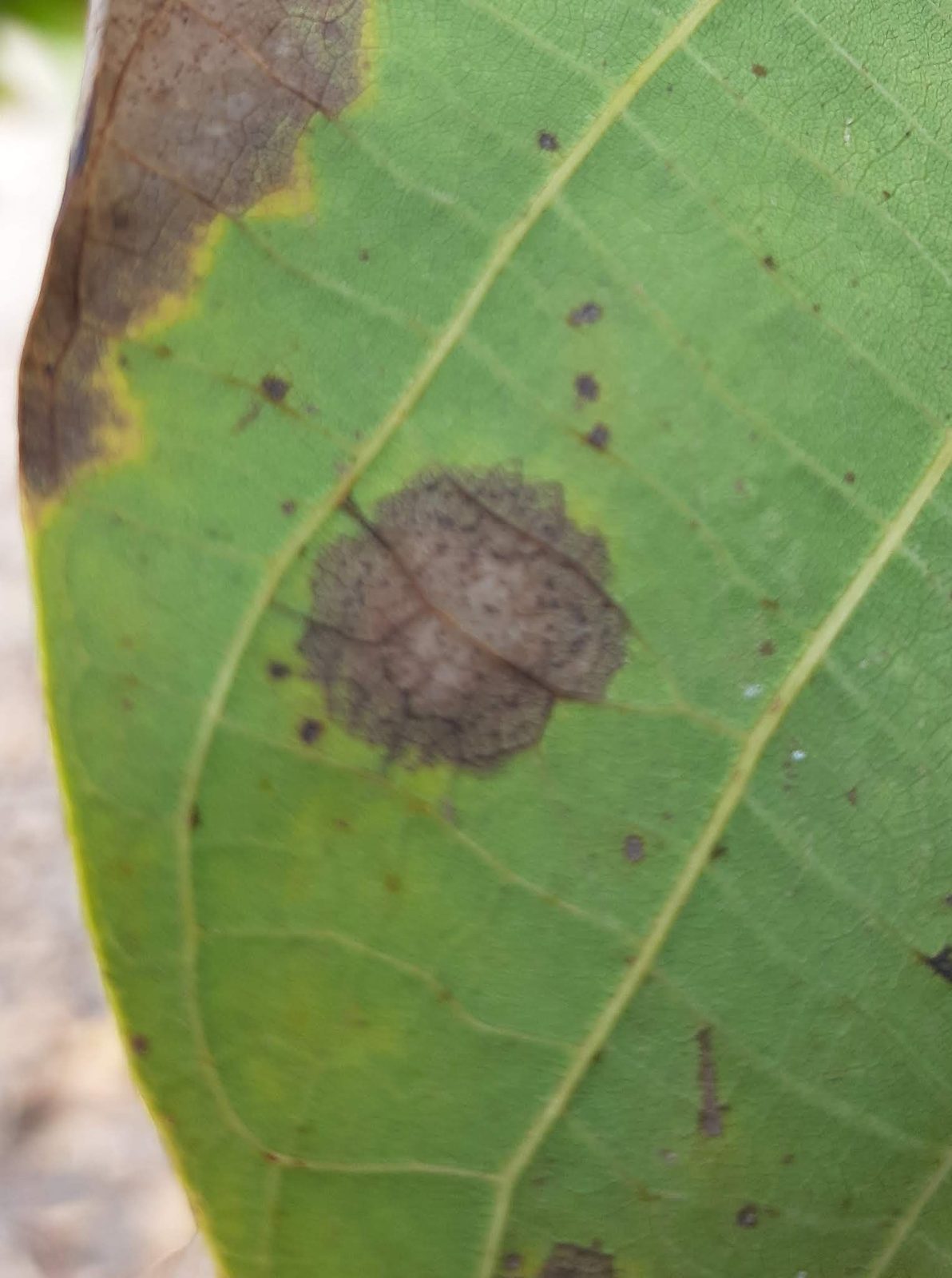
Pests and diseases of walnut: identification from the symptoms, with a diagnostic tool
Twenty causes, each with the one feature that separates it in the field: anthracnose and blight that produce the same lesion, brown apical necrosis, the pests of the nut, mites and aphids, the branch dieback complex, the cankers of the trunk, blackline at the graft union and the quarantine risk. With a tool that compares the symptoms against the profile of every cause, and two foreign recommendations that are illegal in the European Union today.
Walnut blight, Xanthomonas arboricola pv. juglandis
An aggressive disease that can take more than half the crop. The correct name of the pathogen, overwintering inside the dormant buds and why that load can be measured, the brown apical necrosis and vertical oozing canker forms, the per-tree risk scale counted in June, and the prayer-stage timing that is usually missed by ten days.

Walnut anthracnose: diagnosis and control
The most important fungal disease of walnut in Greece, found on almost every holding and capable of taking the whole crop. The correct name of the pathogen, the scale of the losses, differential diagnosis, the temperatures and humidity it needs, cultivar susceptibility and where Chandler stands, and the cultural measures without which the sprays do not hold.