
Zeolite in agriculture: what is documented and what is not
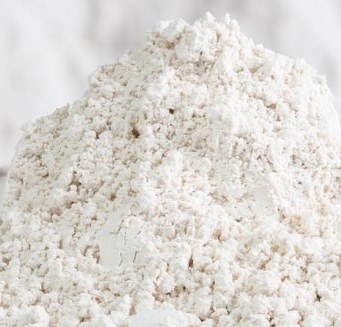
Savvas Pastopoulos, Agronomist MSc, Pastopoulos Agronomics, Neos Mylotopos, Pella, Greece
Zeolite is sold in Greece with very large promises and at rates which, when checked arithmetically, bear no relation to the rates used in the studies they rest on. At the same time there is a real and measurable effect, just not where it is advertised. This text separates what is documented, what is exaggeration, and where it is genuinely worth the money.
1. Zeolite does not retain nitrate. It is a cation exchanger. It holds ammonium, potassium, calcium, that is, positively charged ions. Nitrate and phosphate are anions and unmodified zeolite does not bind them effectively [12]. Whatever nitrogen benefit exists comes through ammonium, not through nitrate.
2. The rates in the literature are tonnes, not kilos. The studies that show an effect work with 30 to 120 tonnes per hectare [1]. Greek commercial recommendations often speak of 100 to 500 kg per hectare. The difference is two orders of magnitude.
- What zeolite is and why it works
- In the soil, the experimental results
- Foliar, the field with the strongest numbers
- The drawbacks and the limits
- Safety, the subject nobody discusses
- The rates, the great confusion
- When it is worth it and when it is not
- What to check before buying
- The key points
- Sources
1. What zeolite is and why it works
Zeolites are hydrated aluminosilicate crystals with an open, sponge-like structure: channels and cavities of molecular dimensions running through the crystal. The substitution of silicon by aluminium leaves the lattice with a permanent negative charge, balanced by exchangeable cations inside the channels. Those cations can exchange with others from the soil solution, and there lies the whole agronomic usefulness.
The species of interest to agriculture is clinoptilolite. Its exchange capacity ranges from 100 to 200 cmol(+) per kilogram [1], that is several times that of a good agricultural soil, which rarely exceeds 30 cmol(+)/kg.
For the Greek zeolite of Petrota, Evros, an ion exchange capacity of 200 to 400 meq/100 g is declared, that is 200 to 400 cmol(+)/kg [15], a value higher than the range in the international literature. The discrepancy does not necessarily mean an error, because the measurement method affects the result, but it is a reason to ask for the analytical report and the method, not only the number.
The selectivity order, which ion wins
Clinoptilolite does not hold all cations equally. Its selectivity order is [9]:
Cs⁺ > Rb⁺ > K⁺ > NH₄⁺ > Ba²⁺ > Sr²⁺ > Na⁺ ≈ Ca²⁺ > Fe³⁺ > Al³⁺ > Mg²⁺ ≈ Li⁺This order is the key to every practical decision. Potassium comes before ammonium. In a soil rich in potassium, the zeolite fills with potassium and less room is left for the ammonium we want it to hold. Magnesium sits at the end of the order, so zeolite is not a tool for magnesium management.
2. In the soil, the experimental results
2.1 Nitrogen retention and reduced leaching
Here are the cleanest and most repeatable results. The action is physicochemical rather than biological, so it does not depend on climate or season.
| Finding | Result | Source |
|---|---|---|
| Ammonium leaching, clinoptilolite column against sand column | 3% against 17%, that is an 82% reduction | [8] |
| Lysimeters on a sand substrate, nitrate and ammonium leaching | Lower by 86% and 99% respectively | [8] |
| Nitrogen use efficiency of fertiliser in sand | Improvement of 16 to 22%, depending on nitrogen rate | [8] |
| Maize, clinoptilolite with 75% of the recommended fertiliser | Same result as 100%, a 25% saving in fertiliser | [6] |
| Maize, combined with compost on a tropical acid soil | Significantly higher soil nitrogen fractions, efficiency and yield, in two successive crops | [7] |
2.2 Physical properties of the soil
Incorporating zeolite improves infiltration rate, saturated hydraulic conductivity and water holding capacity, and reduces losses to deep percolation [1] [12]. At the same time the buffering capacity of the soil increases, so that nitrogen, phosphorus and potassium are neither fixed nor lost to leaching [5]. The benefit is greater on light, sandy soils; on soils already rich in clay the improvement is far less impressive.
2.3 Phosphorus and heavy metals
On acid soils, where phosphorus is fixed by iron and aluminium, clinoptilolite improved phosphorus dynamics and maize yield [6]. The mechanism is indirect: the zeolite binds the Fe³⁺ and Al³⁺ cations that would otherwise fix the phosphorus, and so leaves it available. It does not itself bind phosphate.
Zeolite also adsorbs heavy metals, zinc, cadmium, lead, manganese, nickel, chromium, as well as strontium and caesium [1]. On contaminated soils this has real value. On clean agricultural soil it offers nothing and should not be charged for as an advantage.
3. Foliar, the field with the strongest numbers
Foliar use is more recent and, paradoxically, that is where the most striking results are. Zeolite is applied as a micronised powder in suspension and forms a white particle film on the leaf, the same logic as kaolin.
3.1 Processing tomato
In two field studies, in 2021 and 2022, with six sprays in the middle of the biological cycle [2]:
- Marketable yield increased by 36% in both seasons, with a positive effect also on the soluble solids of the fruit.
- Micronised clinoptilolite outperformed a mixture of Cuban zeolite with mordenite, both in growth and in yield.
- Dry matter accumulation increased by 39.2% in the season with favourable temperatures, but by only 12.1% in the season with heat stress.
3.2 Grapevine
On two-year-old vines of the Portuguese cultivars Touriga Franca and Tinto Cão, foliar clinoptilolite mitigated heat stress in both cultivars: it lowered leaf temperature, enhanced photochemical efficiency and supported photoprotection [3].
The response, however, was clearly different by cultivar. Touriga Franca showed improved electron transport, better gas exchange and greater accumulation of soluble sugars, proline and proteins. Tinto Cão followed a more conservative water use strategy, with higher phenolic content and antioxidant capacity [3].
3.3 Olive, and the finding that explains everything
In olive, kaolin, natural zeolite and ammonium-enriched zeolite were compared [4]. The result is the most instructive in this whole text:
- Ammonium-enriched zeolite increased the rate of photosynthesis in the early stages of fruit development, most probably because of its nutritional role, and contributed to larger fruit size and higher oil yield.
- Kaolin affected transpiration and stomatal conductance negatively, with a corresponding increase in the wall thickness of the xylem vessels.
- Both materials altered the characteristics of the leaf surface, particularly of the peltate trichomes.
Zeolite of the chabazite type, applied foliarly against the olive fruit fly, has been studied for its side effects: it affects volatile compounds, photosynthesis and the quality of the olive oil [14]. It is not a neutral material and its effect on the final product must be assessed before application in a grove producing extra virgin oil.
4. The drawbacks and the limits
| Drawback | What it means in practice |
|---|---|
| It does not bind anions | Nitrate, phosphate and sulphate are not retained by unmodified zeolite [12]. Any claim of "nitrate retention" refers to surfactant-modified material, which is a different product |
| Cation competition | High potassium reduces ammonium binding by up to 33%, high calcium by up to 11% [9]. On calcareous soils the benefit is limited |
| High rates | The studies work with tens of tonnes per hectare. The cost of transport and incorporation is the real obstacle, not the price of the material |
| No standardisation | It is a mined mineral. Clinoptilolite purity, exchange capacity and accompanying minerals differ from deposit to deposit and are often not declared [12] |
| It depends on soil type | Large benefit on sandy soils, small to nil on clays that already have high exchange capacity |
| It is not a fertiliser | Zeolite adds no nutrients. It holds what is given to it. On a poor soil without fertiliser it has nothing to hold |
| Unknown effect on soil biology | Information on effects on the biological properties of soil remains limited [12] |
| Environmental footprint | Mining, grinding, drying and transporting tonnes of material. The carbon footprint of transport from deposit to field is a real issue [12] |
| Irreversible | Zeolite is a stable mineral and does not break down. Whatever goes into the soil stays there. A wrong choice cannot be undone |
The two values differ by two orders of magnitude and cannot both hold. The correct one is the second; the first evidently arose from a confusion of units, since 2.16 meq per gram equals 216 cmol(+) per kilogram. When even review papers carry errors of this kind, every number in a sales leaflet needs checking against the primary source.
5. Safety, the subject nobody discusses
Erionite is a zeolite with a fibrous habit. It is the only zeolite classified by IARC as a Group 1 carcinogen, on the basis of causing mesothelioma, the same disease caused by asbestos [10]. It is regarded as equally or more carcinogenic than the six regulated asbestos minerals.
Erionite does not occur in pure form; it appears together with other zeolitic minerals in a variety of geological settings, and deposits have been identified on every continent [11]. Disturbing rock or soil that contains it produces airborne fibres of a size and shape corresponding to those of asbestos.
What this means for the grower: grinding, spreading and incorporating tonnes of zeolitic dust are precisely the operations that generate airborne particles. A certificate of mineralogical analysis excluding fibrous phases is required, and in every case an FFP3 mask during spreading and mixing. The label "natural mineral" is not enough.
6. The rates, the great confusion
Here lies the biggest problem in the Greek market. What follows is the arithmetic check.
| Source of the recommendation | Per hectare |
|---|---|
| Experimental levels in bean [1] | 30, 60, 90, 120 t/ha |
| Typical soil amendment recommendations | 5 to 10 t/ha |
| Greek commercial pages | Usually no rate at all |
The smallest experimental rate that gave a measurable effect, 30 t/ha, is 30,000 kg per hectare [1]. Even the conservative recommendations of 5 t/ha come to 5,000 kg per hectare.
To see why so much is needed: one hectare with 30 cm of effective depth and a bulk density of 1.4 contains about 4,200 tonnes of soil.
5,000 kg ÷ 4,200,000 kg = 0.12% of the soil weightThat is, even 5 tonnes per hectare is barely one tenth of one percent. Any recommendation that speaks of a few hundred kilograms per hectare is two orders of magnitude below this, and cannot produce the results of the studies it invokes.
On checking Greek commercial pages presenting Greek zeolite, the text describes properties, deposits and mineralogical composition in detail, but on agricultural use it goes no further than stating that it "can be incorporated into the soil in gravel form depending on the type of crop" [15]. No quantity, no incorporation depth, no frequency.
For the grower this is worse than a wrong rate, because it cannot even be checked. Before any purchase, ask for a written recommendation in kilograms per hectare, with incorporation depth, and compare it against the figures in the table above.
Beware also of comparing unlike quantities. Rates given as a percentage by volume, for example 10% or 20% in a pot or seedbed, are realistic, but they refer to a growing medium and do not translate into kilograms per hectare of field. Mixing the two in the same leaflet is in itself an indication that the text was not written by an agronomist.
The values above are indicative and come from the literature. The final rate is set after soil analysis and an on-site assessment by an agronomist, on the basis of texture, existing exchange capacity, and the potassium and calcium status of the particular field.
7. When it is worth it and when it is not
When it makes sense
- Sandy and light soils with low exchange capacity, where nitrogen and potassium leach. That is where all the large percentages were measured [8].
- Growing media and nurseries, where a rate expressed as a percentage of volume is feasible and the cost is small relative to the value of the crop.
- New plantings, where incorporation is done once, at the right depth, with no extra labour cost.
- Soils contaminated with heavy metals, where adsorption is the objective [1].
- Foliar use in high-value crops, where the +36% in processing tomato justifies six sprays [2].
- Heavy clay soils with exchange capacity already above 25 to 30 cmol(+)/kg. The margin for improvement is minimal.
- Soils rich in potassium and calcium, where cation competition eats up to a third of the effect on ammonium [9].
- As a substitute for fertilisation. Zeolite does not supply nutrients, it holds them.
- At rates below 5 tonnes per hectare for soil improvement. There is no experimental evidence of an effect.
- Without a mineralogical analysis excluding fibrous phases [10].
8. What to check before buying
| Item | What should be declared |
|---|---|
| Clinoptilolite content | A percentage, from mineralogical analysis. Good deposits give 85% and above. "Natural zeolite" without a percentage means nothing |
| Exchange capacity | In cmol(+)/kg or meq/100 g. Expected range 100 to 200 cmol(+)/kg [1]. Watch the units |
| Absence of fibrous phases | An explicit statement that no erionite or other fibrous phase was detected [10] |
| Particle size | Coarse for soil, micronised for foliar. They are not interchangeable; in foliar application the micronised material was clearly superior [2] |
| Exchangeable sodium | Some deposits are sodic. On irrigated soils with salinity problems this matters |
| Legal status | As a soil improver it falls under Regulation (EU) 2019/1009, which also sets limits on contaminants [13]. Check the labelling |
9. The key points
What to take away
- Zeolite works, but as a cation exchanger. It holds ammonium and potassium. It does not hold nitrate or phosphate [12].
- Market rates are 10 to 60 times lower than the rates that produced an effect in the studies. This is the most serious finding in the text.
- The benefit is inversely proportional to soil quality. Impressive in sand, marginal in clay.
- Soil potassium competes with ammonium and reduces the effect by up to 33% [9].
- Foliar use has the strongest numbers, 36% in processing tomato, in two seasons [2], but it delivered more in the easy season, not in the difficult one.
- Erionite is a Group 1 carcinogen and coexists with other zeolites. Mineralogical analysis and an FFP3 mask, without exception [10].
- It does not break down. Whatever goes into the soil stays there for good.
10. Sources
The numbers in the text refer to the list below.
- [1] Zeolites Enhance Soil Health, Crop Productivity and Environmental Safety (2021). Agronomy 11(3):448. Source for the exchange capacity of 100 to 200 cmol(+)/kg, the improvement in infiltration and water holding capacity, the adsorption of heavy metals, the experimental levels of 30 to 120 t/ha in bean, the effect of the loaded cation on water holding capacity, and for the internal contradiction of the 2.16 cmol(+)/kg value found in the text.
- [2] Foliar application of natural zeolites affects the growth and productivity of processing tomato (2024). European Journal of Agronomy 154:127100. Source for the 36% increase in marketable yield in both seasons, the six sprays, the superiority of micronised clinoptilolite over the Cuban mixture, and for the 39.2% increase in dry matter in the favourable season against 12.1% in the heat-stressed one. The full text is behind a subscription; the figures come from the abstract and were not verified by the author in the full text.
- [3] Dinis, L.-T. et al. Differential physiological and biochemical modulation of two grapevine varieties by foliar zeolite application under Mediterranean summer stress conditions. Frontiers in Plant Science, doi 10.3389/fpls.2026.1833884. Source for the reduction in leaf temperature, the enhancement of photochemical efficiency and photoprotection in two-year-old Touriga Franca and Tinto Cão vines, and for the different response by cultivar. The study concerns physiological and biochemical parameters; yield was not measured.
- [4] Olive Plant Treated with Different Geo-Material Foliar Film, Zeolite and Kaolin Based: Leaf Characteristics and Oil Quality. Horticulturae 11(3):338. Source for the comparison of kaolin, natural zeolite and ammonium-enriched zeolite in olive: the ammonium-enriched material increased the rate of photosynthesis in the early stages of fruit development, attributed to its nutritional role, and contributed to larger fruit size and higher oil yield, while kaolin affected transpiration and stomatal conductance negatively.
- [5] Nitrogen, Phosphorus, and Potassium Adsorption and Desorption Improvement and Soil Buffering Capacity Using Clinoptilolite Zeolite (2021). Agronomy 11(2):379. Source for the improvement in the availability of nitrogen, phosphorus and potassium and in the buffering capacity of the soil against fixation and leaching.
- [6] Effects of clinoptilolite zeolite on phosphorus dynamics and yield of Zea mays L. cultivated on an acid soil (2018). PLOS ONE 13(9):e0204401. Source for clinoptilolite with 75% of the recommended fertiliser giving a result equal to 100%, that is a 25% saving, and for the improvement in phosphorus dynamics on an acid soil.
- [7] Soil Nitrogen Fractions, Nitrogen Use Efficiency and Yield of Zea mays L. Grown on a Tropical Acid Soil Treated with Composts and Clinoptilolite Zeolite (2020). Applied Sciences 10(12):4139. Source for the significant increase in nitrogen fractions, nitrogen use efficiency and yield in two successive crops with a combination of zeolite and compost.
- [8] Huang, Z. T. and Petrovic, A. M. (1994). Clinoptilolite Zeolite Influence on Nitrate Leaching and Nitrogen Use Efficiency in Simulated Sand Based Golf Greens. Journal of Environmental Quality 23(6):1190-1194. Source for the 160 cmol(+)/kg exchange capacity of the clinoptilolite used and for the context of high-sand root zones, which have low exchange capacity and high hydraulic conductivity and are therefore prone to nitrate leaching. The percentages for reduced leaching and improved nitrogen efficiency in the table come from this line of work on sandy substrates as summarised in the related literature; they were not verified by the author in the full text of the paper and are given as an order of magnitude, not as exact values.
- [9] Adsorption of ammonium on clinoptilolite in presence of competing cations: Investigation on groundwater remediation (2018). Journal of Cleaner Production. Source for the cation selectivity order and for the 33% reduction in ammonium loading in the presence of high potassium and 11% in the presence of high calcium.
- [10] Report on Carcinogens Profile: Erionite. National Toxicology Program, NIEHS; IARC Group 1 classification. Source for the classification of fibrous erionite as a Group 1 carcinogen on the basis of mesothelioma, and for the similarity of the fibres produced to those of asbestos.
- [11] Environmental and occupational exposure to erionite and related health risks: progress and prospects (2025). Annals of Work Exposures and Health 69(7):677. Source for erionite not occurring in pure form but coexisting with other zeolitic minerals, for the global distribution of deposits, and for the generation of airborne fibres when the rock is disturbed.
- [12] Application of Zeolites for Sustainable Agriculture: a Review on Water and Nutrient Retention (2018). Water, Air, & Soil Pollution 229. Source for the ineffective binding of anionic nutrients by unmodified zeolite, for the lack of standardisation of natural zeolites, for the dependence of the effect on soil type, for the carbon footprint of transport, and for the limited knowledge of effects on the biological properties of soil.
- [13] Regulation (EU) 2019/1009 on fertilising products. Source for the "soil improver" product function category and for the fact that the regulation sets limits on contaminants in fertilising products for the first time.
- [14] Influence of Chabazite Zeolite Foliar Applications Used for Olive Fruit Fly Control on Volatile Organic Compound Emission, Photosynthesis, and Quality of Extra Virgin Olive Oil. Source for foliar chabazite applications in olive affecting volatile compounds, photosynthesis and the quality of the olive oil.
- [15] General information on zeolite. The Greek zeolite (in Greek). Evroshop, sourced from zeolife.gr. A commercial source, cited as evidence of what is stated in the Greek market: the Petrota and Pentalofos deposits with a quality of 76% to 89%, ELFYZE with up to 89% HEU-type zeolite, a declared ion exchange capacity of 200 to 400 meq/100 g, and the absence of any numerical rate recommendation for agricultural use.
This text is informative and is not a recommendation to apply. The rates cited are indicative, come from the international literature and do not transfer unchanged to other conditions. The final rate is set after soil analysis and an on-site assessment by a licensed agronomist.
For every foliar spray: application to plants carrying fruit can cause fruit marking and leaf burn, a risk that is higher with zeolite because it leaves a visible white film. A prior trial on a limited number of plants is required, with the same product at the same rate, followed by 5 to 7 days of observation before general application. Spray in the late afternoon or early morning, never in a heatwave and never on foliage under water stress.
For health: before any purchase, ask for a mineralogical analysis excluding fibrous phases, and use an FFP3 mask during spreading and mixing.
Plant protection and fertilising products may be used only in accordance with the approvals of the competent authority of the country of use. The approvals listed at fyto.plantprotect.gr are issued by the Greek Ministry of Rural Development and Food and are valid in Greece only. Every intervention is at the user's own responsibility. Pastopoulos Agronomics accepts no liability for the use of the information in this text.
Related articles
Nutrient antagonisms and synergies, with a per-element tool
The arrow diagram in every fertiliser leaflet does not stand up scientifically. The antagonisms are real, but they act on two separate levels, in the soil and inside the plant, and the same element can be antagonistic on one and synergistic on the other. With a tool showing the documented relationships of each element.
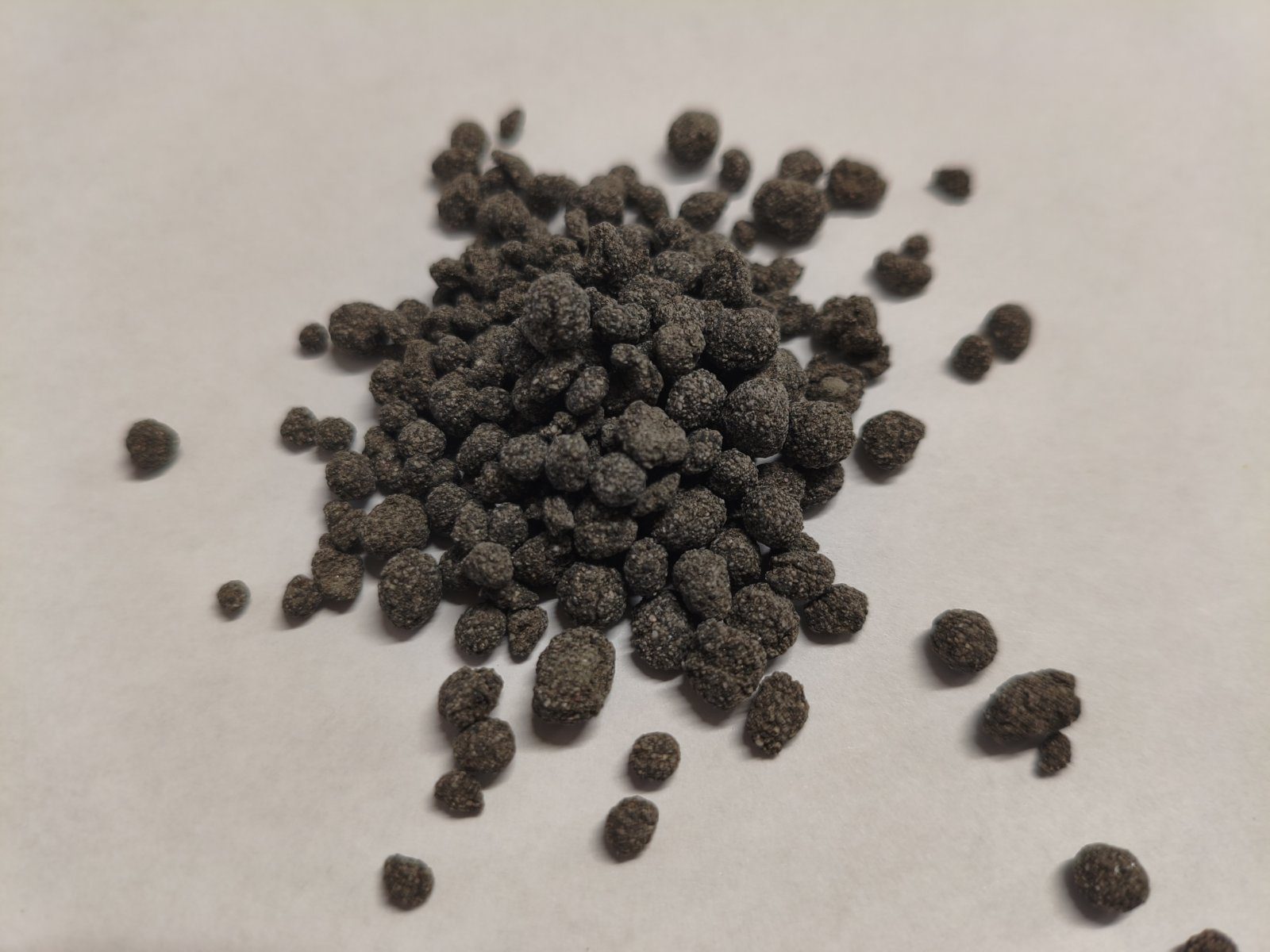
Leonardite in agriculture: properties, rates and what the law says
Leonardite is oxidised lignite with up to 85% humic acids, but pH below 3, up to 6% sulphur and almost no phosphorus. What the analyses and meta-analyses show, where it delivers and where it does not, and what Regulation (EU) 2019/1009 and the organic farming rules require.
Biostimulants: what the science says and what the EU regulation requires
The seven categories, the molecular mechanisms, the EU legal framework since 2022, and the six questions to ask a supplier before buying.