
Esca of kiwifruit: wood decay, an Esca-like disease
Savvas Pastopoulos, Agronomist MSc, Pastopoulos Agronomics, Neos Mylotopos, Pella, Greece
This is the disease that does not kill quickly, it wears the orchard down. The fungus works inside the wood for years with nothing visible, and by the time the first spots appear on the leaves the vine has already rotted from within. In Central Macedonia, kiwifruit orchards 16 to 20 years old have been grubbed out, simply because continuing was no longer worth it.
- What Esca is and how it got here
- The symptoms on the foliage
- What a cut through the trunk shows
- The pathogens, a complex, not a single fungus
- Why some years are worse
- Diagnosis, what can mislead
- Control: prevention only
- Pruning as a plant protection tool
- When the plant is lost
- The picture in the field
- Conclusions
- Sources
1. What Esca is and how it got here
Kiwifruit, Actinidia chinensis var. deliciosa, has been among the fastest-growing tree crops in Greece over the past twenty years. In 2022 the area under the crop was 13,855 hectares, a substantial part of it consisting of young plants coming gradually into production. Greece is the third largest producing country in the world [1].
Kiwifruit is attacked by a wide range of pathogens, Botrytis, Phytophthora, Armillaria, Rosellinia, Rhizoctonia, Sclerotinia and Verticillium [2]. The most important disease worldwide remains bacterial canker, caused by Pseudomonas syringae pv. actinidiae [3] [4]. Alongside it, however, a second and entirely different threat established itself quietly.
The chronology, a disease that travelled
- 1999. A new disease of kiwifruit is identified in Italy and France [5].
- 2000. Symptoms appear in numerous orchards across Italy [6] [7]. At the same time symptoms are also identified in Greece.
- 2001 to 2003. French researchers describe similar diseases sharing the symptom of wood decay and name them «Esca-like diseases», by analogy with Esca of grapevine [8] [9].
- 2002. In Greece, Elena and Paplomatas isolate Fomitiporia punctata from decaying kiwifruit wood [10].
- 2004. In Italy the disease is named «elephantiasis», after a swelling of the trunk below the point of infection [11]. The same year it is also reported from New Zealand [12].
2. The symptoms on the foliage
The most important and most easily visible symptoms appear on the foliage, and it is these that catch the eye first.
The symptoms at their onset. Small, pale circular spots scattered over the leaf surface, about a month after flowering.
The progression, step by step
- About a month after flowering: small, pale circular spots appear, scattered over the leaf surface.
- Within a short time: the spots enlarge and turn chlorotic.
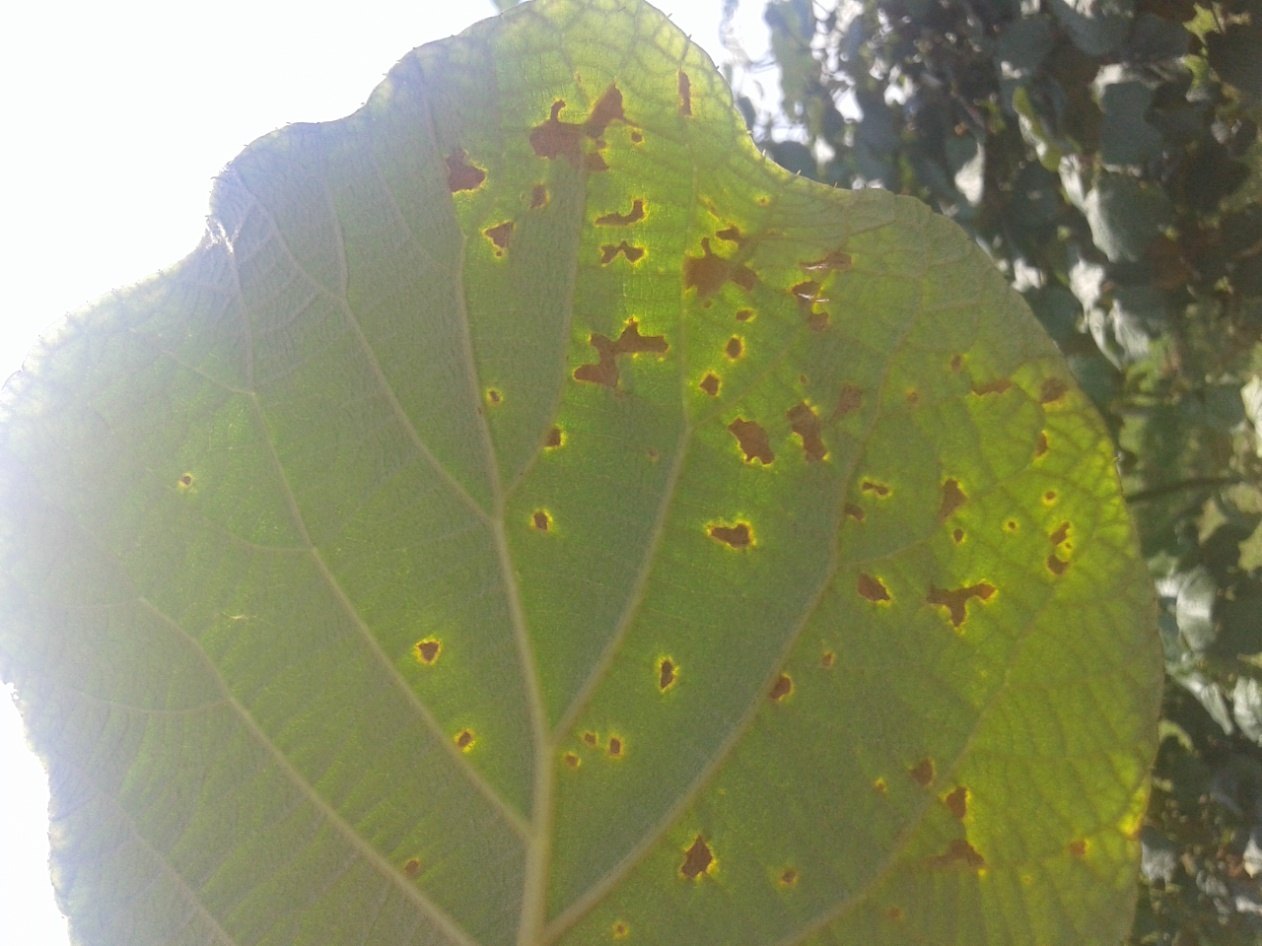
- Final stage: the spots become asymmetric and necrotic.
- Early leaf fall, usually around mid-August, depending on the severity of the infection and on the weather.
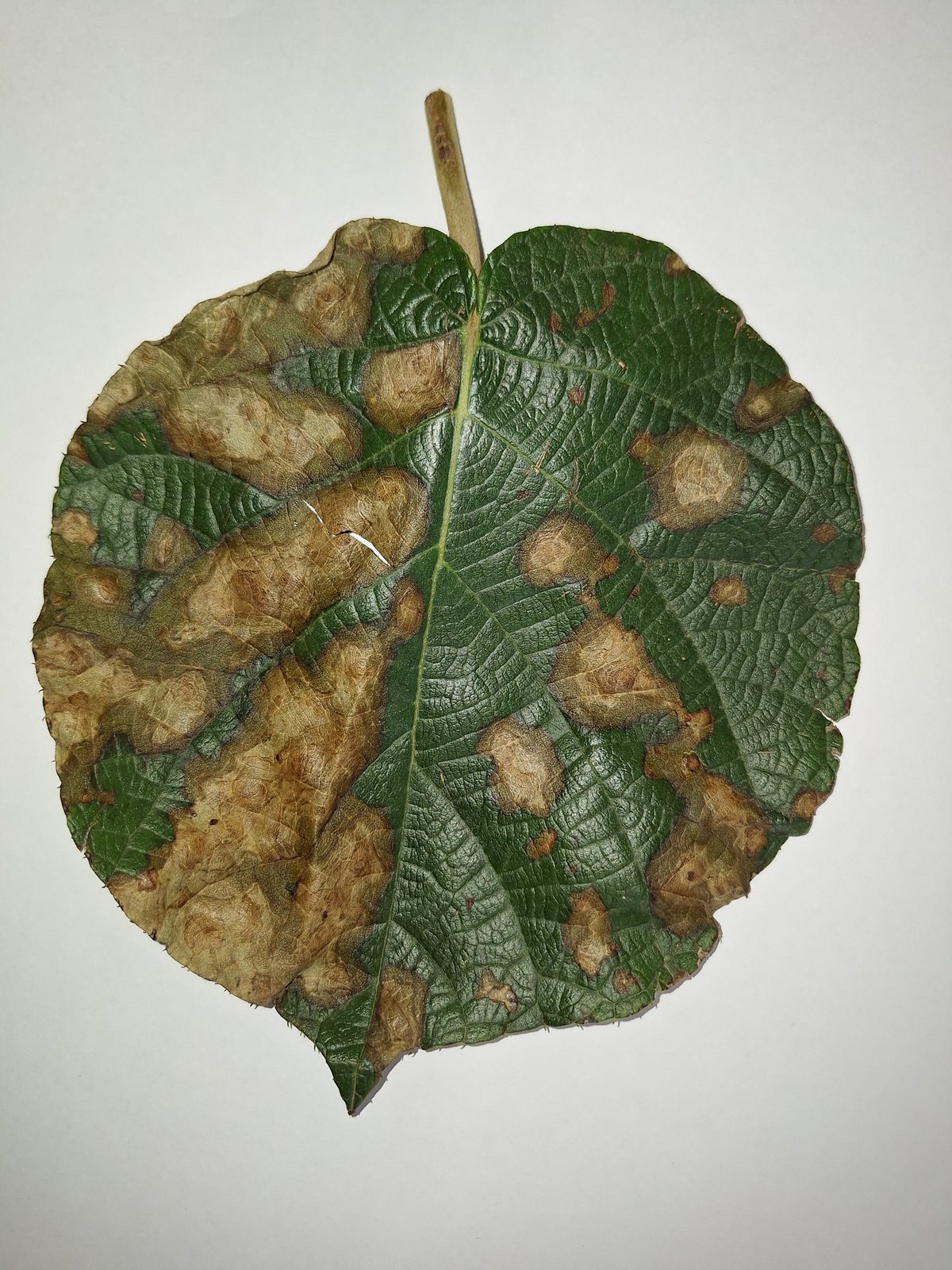
Leaves with severe scorch symptoms, at the final stage before falling. The spots are by now asymmetric and necrotic.
When they appear and how they develop over the years
| Observation | What it means in practice |
|---|---|
| 6 to 7 years after planting | This is usually when the first leaf symptoms appear [1]. Until then the plant looks healthy while the fungus is at work. |
| They get progressively worse | Worse every year, as the plant ages [1]. |
| Same timing every year | A chronically infected plant shows the symptoms more severely, but at the same season. |
| They look normal until mid to late June | Symptomatic plants have vigorous growth and long shoots early in the season [1]. A spring inspection is not enough. |
| Scattered through the orchard | On particular plants or arms. One plant may show symptoms every year while its neighbour stays healthy [1]. |
In practice this means something unwelcome: the fruit does not give the disease away. The fruit does, however, usually fail to reach the desired maturity threshold, and much of it drops to the ground shortly before harvest [1].
3. What a cut through the trunk shows
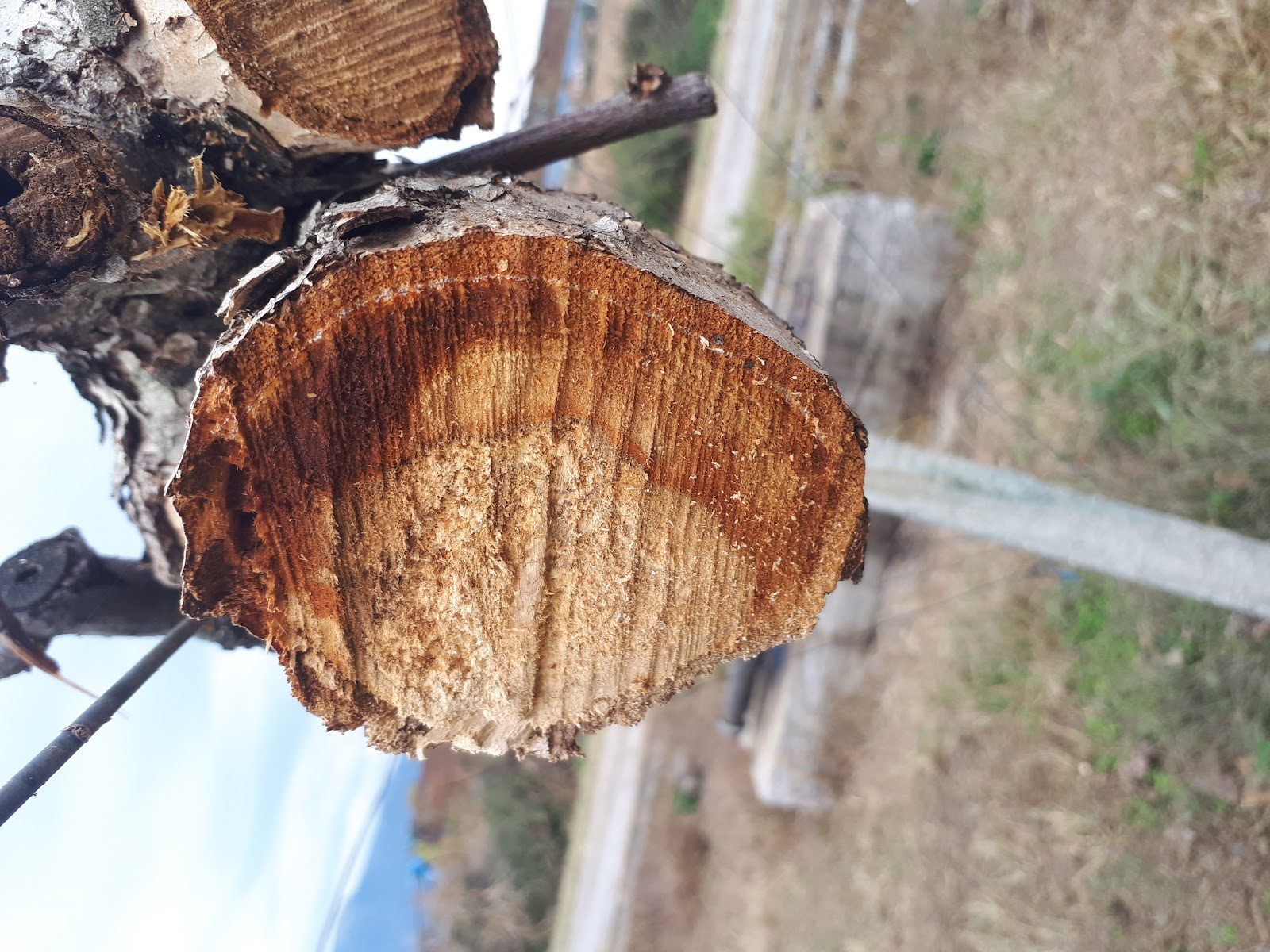
This is where the real diagnosis is made. The trunk and arms of symptomatic plants show two distinct alterations in the wood [1] [15] [6].
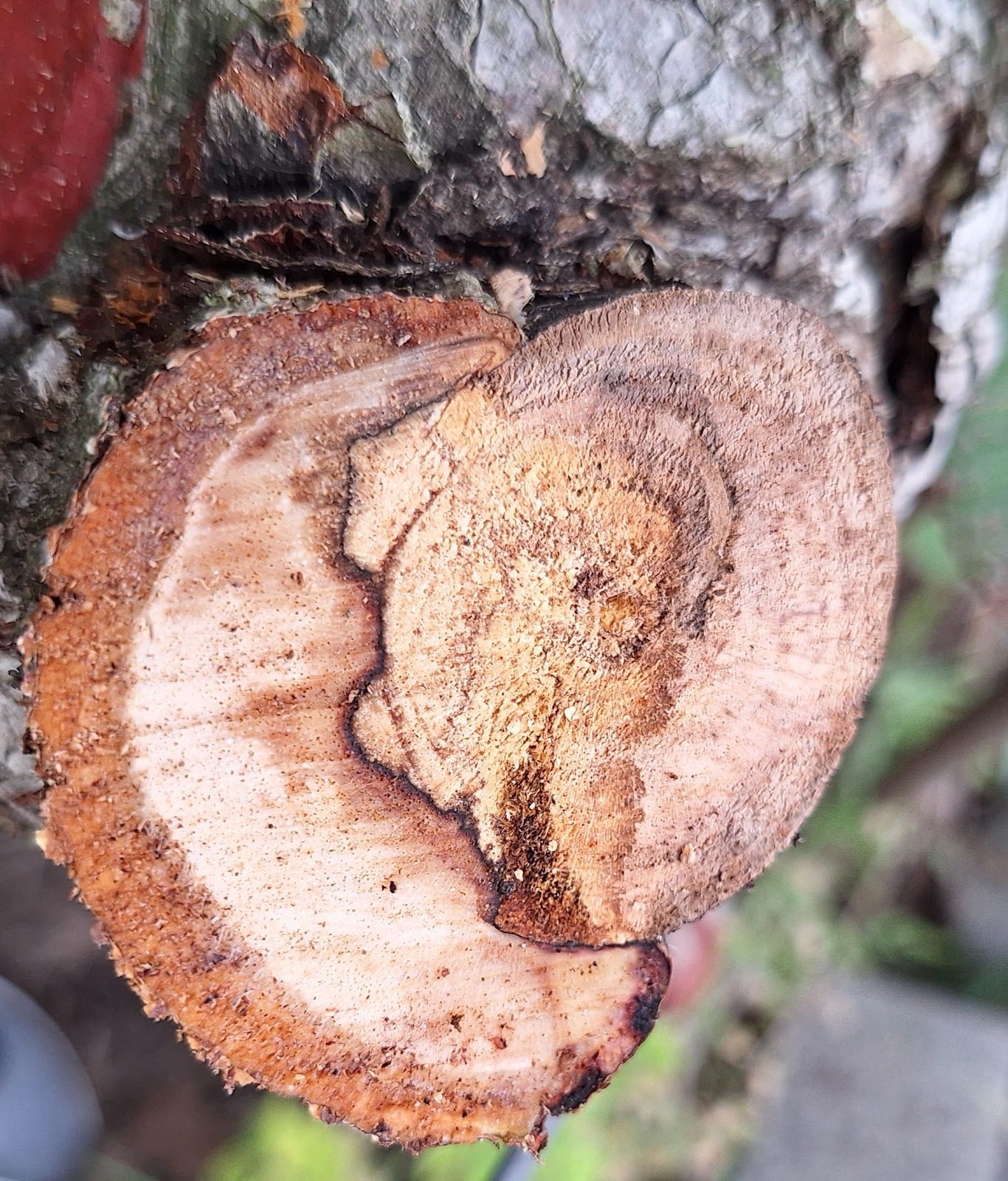
A kiwifruit trunk with advanced infection. The pale rot in the centre and the brown rot spreading outwards are both visible. Between the healthy and the infected wood the characteristic black separation line can be seen.
| Alteration | Characteristics |
|---|---|
| Pale rot | Affects a large part of the wood. It is the central, more advanced zone. |
| Brown rot | Extends towards the healthy wood. It is the front of the infection. |
| Black separation line | Usually visible between the healthy and the infected wood. It is the most reliable macroscopic feature. |
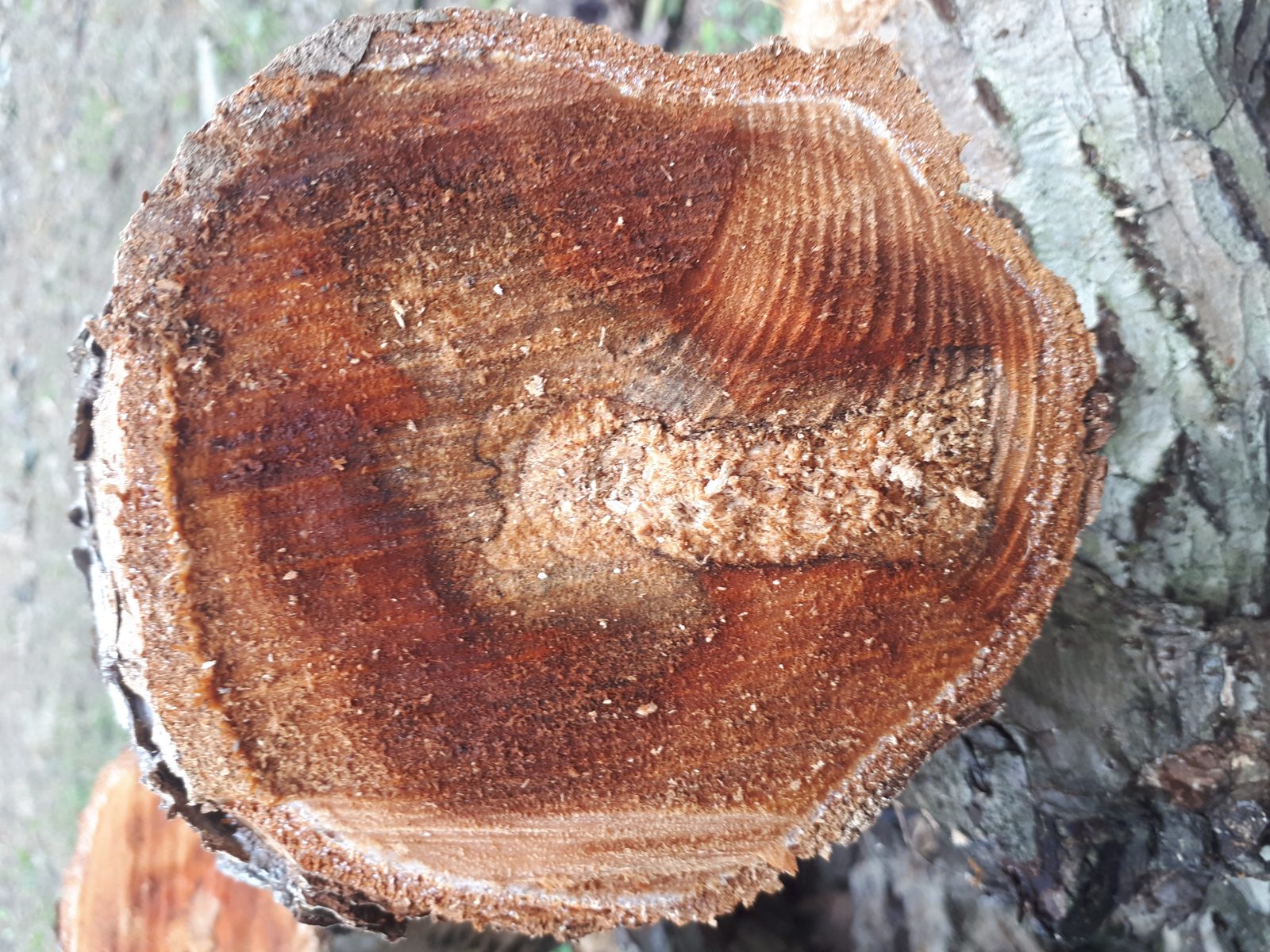
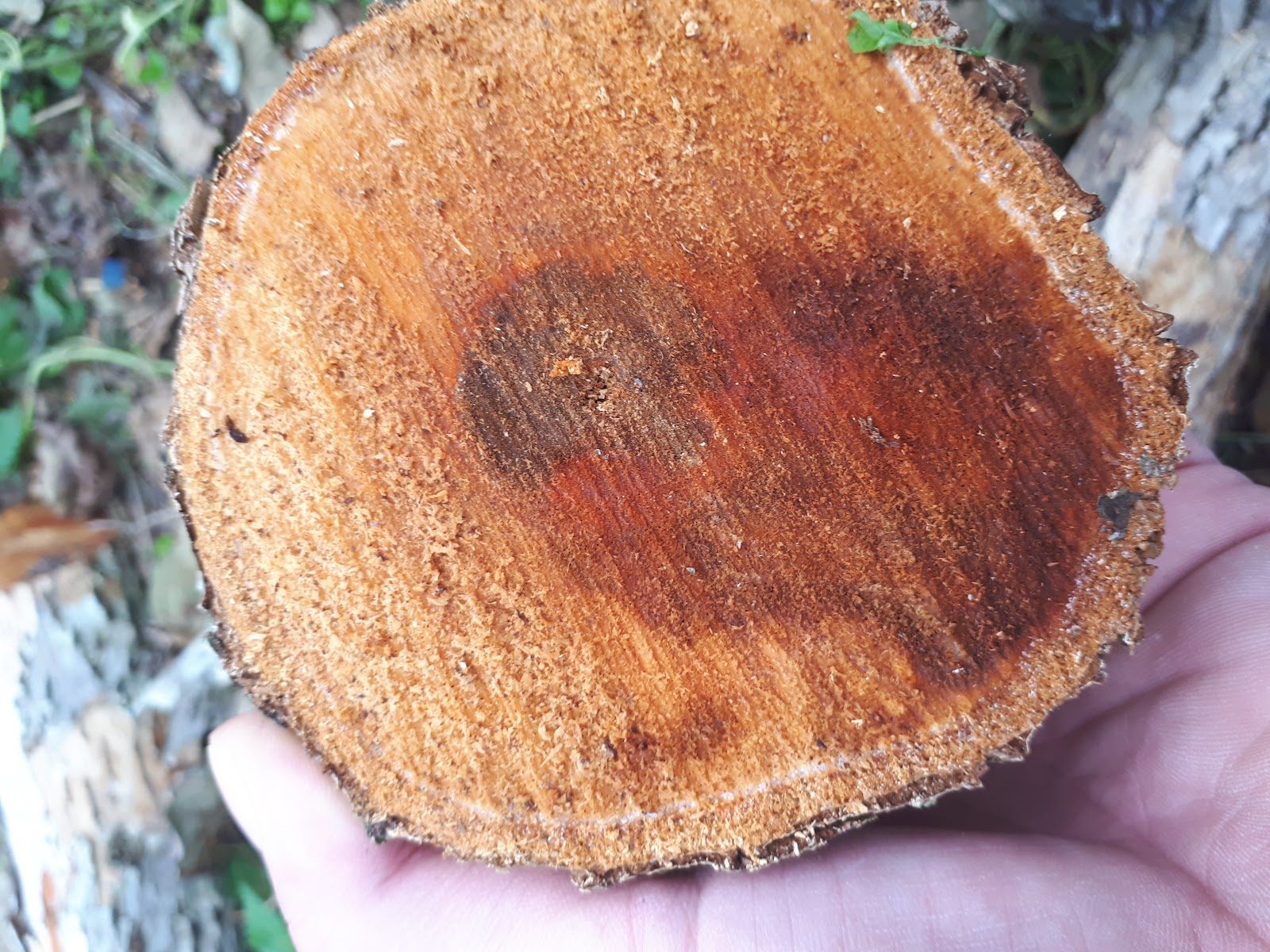
The onset of discolouration during the early stages of infection. At this phase the plant usually shows nothing at all on the foliage.
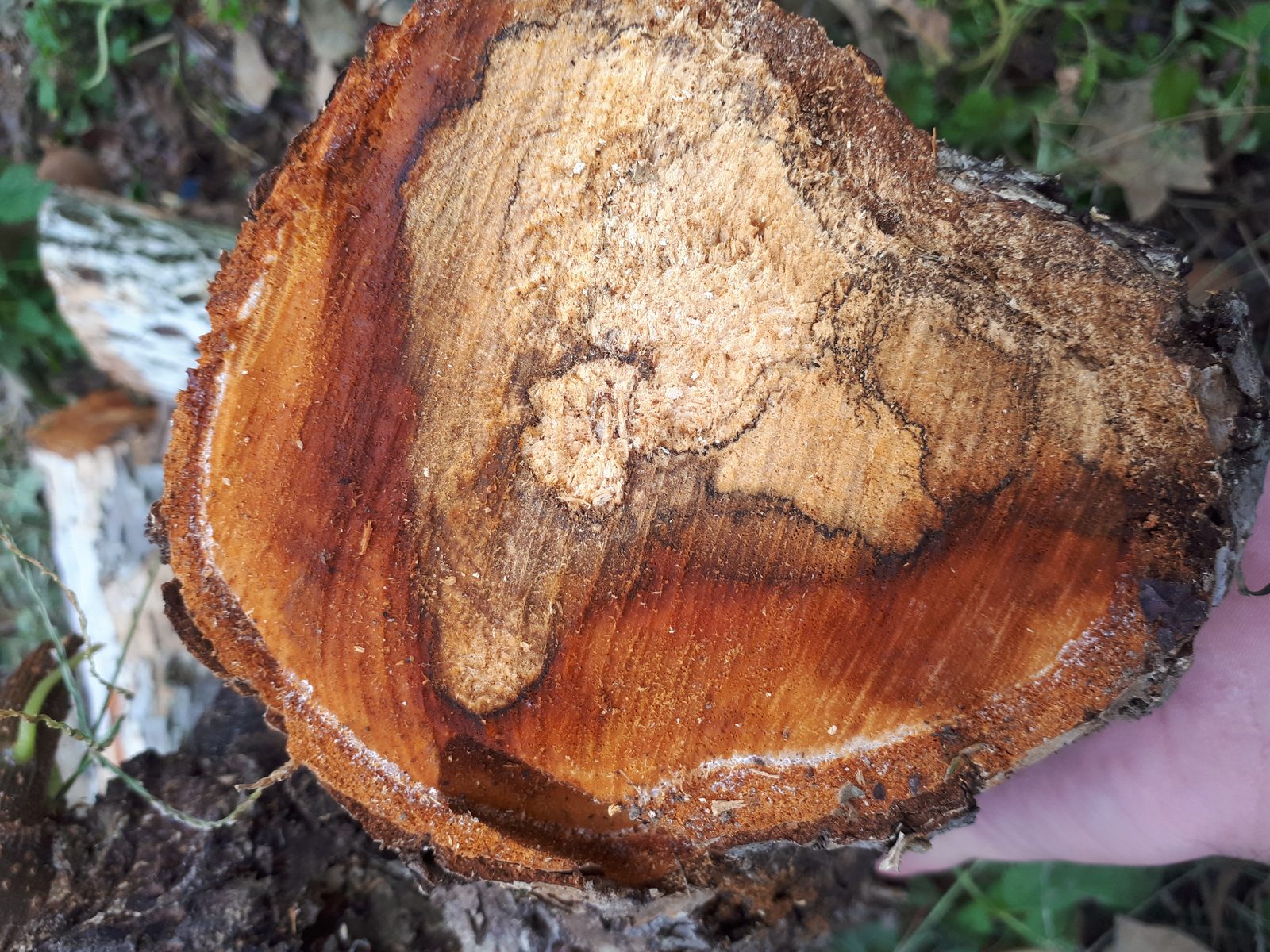
A trunk at an advanced stage of decomposition. The wood has lost its cohesion and conductivity has been destroyed over much of the cross-section.
4. The pathogens, a complex, not a single fungus
There is no such thing as «the Esca fungus». There is a complex of fungi, and that explains why there is no single product either.
| Species | Role and origin |
|---|---|
| Phaeoacremonium aleophilum | Isolated by Di Marco and co-workers in 2003 from brown decaying wood [7]. It is considered to play one of the two principal roles. |
| Fomitiporia punctata | A basidiomycete. It appears to be associated with the pale rot of the wood, since it was isolated from it and reproduced it when healthy plants were inoculated. It has also been associated with Esca of grapevine [16] [17]. |
| Phaeomoniella chlamydospora | Together with P. aleophilum it produced wood discolouration symptoms after inoculation [16] [7]. |
| P. inflatipes, P. rubrigenum | Also isolated from the same material [7]. |
| Cadophora melinii | Isolated in Italy, where it was reported for the first time as attacking kiwifruit [18]. |
| Neobulgaria alba | Found in New Zealand, in plants with brown discolouration after regrafting. This, however, is a different disease from the one discussed here [19]. |
Species of the genus Phaeoacremonium have been associated with numerous diseases of woody tissue in many plant species [20]. In France, isolations identified partly different species from those in Italy: the species common to both countries was P. aleophilum, while P. viticola, Botryosphaeria obtusa and species of the genera Phomopsis, Cylindrocarpon, Cephalosporium, Fusarium, Alternaria, Cladosporium, Paecilomyces and Penicillium were also isolated [9].
- 2002: Fomitiporia punctata from decaying kiwifruit wood in symptomatic plants [10].
- 2013: Thomidis and co-workers report for the first time infection of kiwifruit shoots by Diaporthe neotheicola [21].
- 2010: Botryosphaeria dothidea was found causing shoot blight in kiwifruit in Greece [22].
- Other fungi causing symptoms on leaves and shoots: Stemphylium botryosum, the first report worldwide, from Greece [23], Alternaria alternata [24], Botrytis cinerea, Armillaria mellea, Phomopsis actinidiae [25]. These, however, are not directly connected with wood decay.
The complex of fungi causing the symptoms in Greek plantings needs further study, so that all the fungi involved can be identified [1].
Sources: 7 9 10 16 18 20 21 23
5. Why some years are worse
The severity of the symptoms is not constant, and the explanation is physiological and climatic, not cultural.
What the measurements showed
- There is no correlation between yield and the degree of symptom expression on the leaves [14].
- In Italian kiwifruit orchards a correlation was found with the mean daily August temperature, around 23 to 24 °C, and the severity of the symptoms [14]. The value does not transfer as a threshold to Greek conditions, where mean August temperatures are higher.
- The rate of increase in wood decay correlated with the mean temperature of June, July and August [14].
Which is to say, the spots on the leaves are not a fungus growing on the leaf. They are toxins that came up from the rotten wood. That is why spraying the foliage does not stop them.
6. Diagnosis, what can mislead
In the field, the leaf symptoms may wrongly be attributed to infection by another pathogenic fungus, such as Alternaria alternata, Botrytis cinerea or Stemphylium botryosum, pathogens that can indeed be isolated from the necrotic spots [1].
Nevertheless, when the symptoms are concentrated on particular shoots, arms or scattered plants in the orchard and recur on the same plants every year, then Esca must also be investigated [1].
There is therefore the possibility that the necrotic spots are caused by the fungi present in the infected wood, and that other pathogenic fungi subsequently develop on those spots, which may aggravate the symptoms further if they are not controlled with an appropriate fungicide [1].
7. Control: prevention only
What is available
Trichoderma, the only tool
In Greece there is a product authorised by the Ministry of Rural Development and Food for protection against infection by these pathogenic fungi. It is based on a live strain of Trichoderma atroviride and is applied to pruning cuts [1]. Authorisations differ from country to country and the national rules always apply.
What the research shows:
- The use of Trichoderma species on kiwifruit pruning cuts promoted callus formation faster than in the control. Strains from the product were re-isolated up to 9 months after application [28].
- In Esca of grapevine, the application of Trichoderma asperellum ICC 012 and T. gamsii ICC 080 showed a significant reduction in symptoms of 66 to 90%, in a study lasting 9 years [29].
How the pathogen gets in
The pathogens enter as fungal spores carried onto wounds and pruning cuts. It follows that from the establishment of the plants in the field and throughout their lives, the cuts must be disinfected and covered scrupulously with a wound sealant [1].
8. Pruning as a plant protection tool
The measures that follow come from the authors' own observations combined with the control measures for Esca of grapevine, as proposed in the agricultural warning issued on 23 January 2024 by the Regional Centre for Plant Protection, Quality and Phytosanitary Control of Heraklion [30].
Inspections
Where suspect cases are identified, the plants should be marked and examined by a specialist agronomist. They should always be pruned last and their prunings removed from the orchard.
Removal of infected parts
Where the disease has not extended into the trunk, the infected arms may be removed together with 10 to 20 cm of healthy wood.
If the infection has reached the trunk, grubbing out and replanting with a healthy plant is recommended.
Late pruning
Pruning should be done late and in dry weather, since bleeding sap prevents the pathogen spores from establishing.
Where late pruning is not possible, double pruning can be used: first the fruiting canes are shortened to some length, but not the final one, so as to make the second pruning easier; that second pruning is done late in winter and is the final one.
Pruning with a stub
Canes on the arms should be pruned leaving a section of a few centimetres, the «stub». The stub will dry out during the season and act as protection against infection. It can be removed the following year.
Large pruning cuts must be avoided. Large cuts must be covered scrupulously with a wound sealant, in combination with the authorised product.
Disinfection of tools
Pruning tools, secateurs, saws and the rest, must be disinfected scrupulously and regularly, even between plants where that is feasible.
Buying healthy propagating material
In Esca of grapevine it was established that pathogens associated with the disease were already present endophytically in the young plants. Whether the same occurs in kiwifruit plants has not so far been investigated, although it cannot be ruled out [1].
9. When the plant is lost
Cutting the plant back at the crown and renewing it with a new trunk from the same root did not work. The plants showed symptoms in the second and third year after renewal [1].
By contrast, where a new healthy plant was replanted, it showed no symptoms up to its seventh year, that is up to the time the paper was written [1].
10. The picture in the field
Video, in Greek. Wood decay of kiwifruit under real conditions, the symptoms on the foliage and the appearance of the wood after cutting.
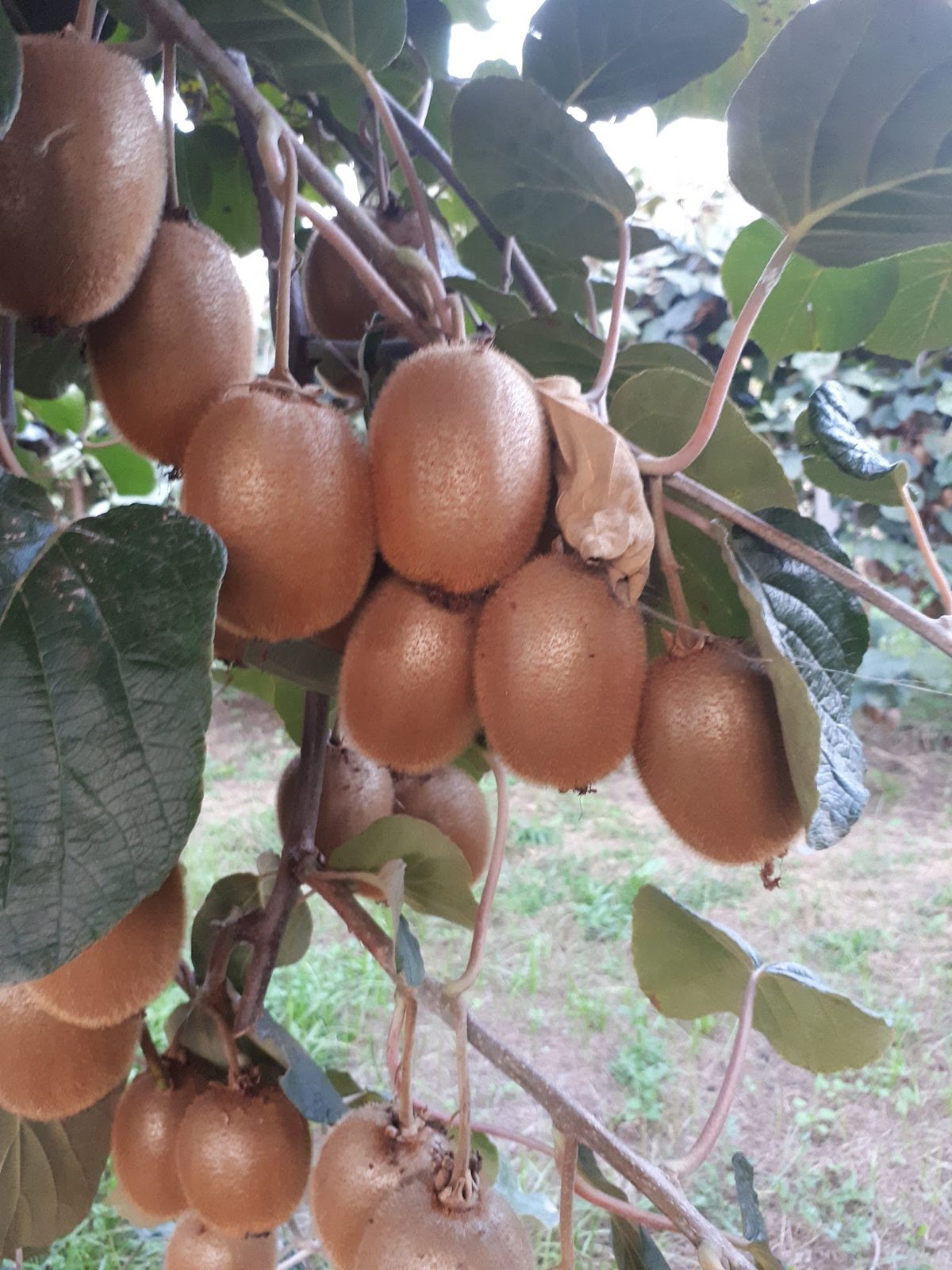
The good news from the paper: a healthy kiwifruit plant, seven years after planting, on the spot where an infected plant stood. Replanting with a new healthy vine works, renewal from the same root does not.
11. Conclusions
The eight that count
- The disease is among the most destructive for the crop. It is responsible for substantial losses of plant capital and substantially shortens the life and productivity of orchards [1].
- It is caused by a complex of fungi, not by one pathogen. That is why there is no «the product».
- The spores enter through wounds and pruning cuts. That is where the battle is fought.
- Prevention is the only means of limiting the spread of the disease.
- Scrupulous disinfection and covering of the pruning cuts is the single most important measure.
- Deep renewal from ground level did not provide a solution in Central Macedonia.
- Replanting with a new healthy plant worked, no symptoms up to the seventh year.
- Diagnosis and guidance must come from specialist agronomists [1].
12. Sources
The numbers in the text refer to the list below. The bibliography was drawn from the official bibliography of issue 8/2024 of the journal Georgia - Ktinotrofia, AgroTypos editions.
- [1] Pastopoulos S.S. and Sotiropoulos T. (2024). Esca of kiwifruit, wood decay of kiwifruit (“Esca-like” disease), one of the most important diseases of the crop. Georgia - Ktinotrofia 8/2024:50-54, AgroTypos editions. The principal source of this article: all the Greek data, the personal observations in Central Macedonia, the pruning measures, the finding on renewal from the same root and the success of replanting.
- [2] Brook P.J. (1986). Diseases of kiwifruit. Pp. 420-428 in: Kiwifruit: Science and Management, I.J. Warrington and G.C. Weston, Ray Richards Publisher, Auckland. Source for the range of kiwifruit pathogens.
- [3] Pastopoulos S. (2020). Bacterial canker of kiwifruit. Georgia - Ktinotrofia 8/2020. Source for bacterial canker as the most important disease of the crop worldwide.
- [4] Scortichini M. (2019). The cycle of disease and population structure of Pseudomonas syringae pv. actinidiae. Acta Horticulturae 1243:55-57.
- [5] Calzarano F., Spada G., Montuschi C., Di Marco S. (1999). Una forma di deperimento lignicolo colpisce i frutteti italiani di A. deliciosa. Informatore Fitopatologico 49(11):12-15. The first record, 1999.
- [6] Di Marco S., Spada G., Osti F. (2002). La carie dell'actinidia. Frutticoltura 9:59-64.
- [7] Di Marco S., Osti F., Spada G. (2003). The wood decay of kiwifruit and first control measures. Acta Horticulturae 610:291-294. Source for the isolation of Phaeoacremonium aleophilum, P. inflatipes, P. rubrigenum and Phaeomoniella chlamydospora from brown decaying wood.
- [8] Hennion G. and co-workers (2001). Le dépérissement du kiwi: le bois malade de l'esca. Infos-Ctifl 176:25-27. The first use of the term «Esca-like».
- [9] Hennion B. and co-workers (2003). First observations of a wood decay (Esca-like Disease) on Kiwifruit in France. Acta Horticulturae 610:409-413. Source for the species isolated in France and the comparison with Italy.
- [10] Elena K. and Paplomatas E. (2002). First Report of Fomitiporia punctata Infecting Kiwifruit. Plant Disease 86:1176. The first Greek report.
- [11] Nipoti P., Prodi A., Sandalo S., Credi R. (2004). Further studies on the main fungi associated with elephantiasis of kiwifruit. Journal of Plant Pathology 86(4):327. Source for the name «elephantiasis» and the trunk swelling.
- [12] Manning M., Meier X., Olser T.L. (2004). Etiology of vine decay in kiwifruit cv. Hayward in New Zealand. Rome, 12 December 2004.
- [13] Di Marco S., Calzarano F., Osti F., Mazzullo A. (2004). Pathogenicity of fungi associated with a decay of kiwifruit. Australasian Plant Pathology 33(3):337-342.
- [14] Di Marco S. and Osti F. (2008). Foliar symptom expression of wood decay in Actinidia deliciosa in relation to environmental factors. Plant Disease 92:1150-1157. Source for the correlation with a mean temperature of 23-24 °C in August, for the absence of correlation with yield, and for the hypothesis about 60 days after full bloom.
- [15] Prodi A., Sandalo S., Tonti S., Pisi A. (2008). Phialophora-like fungi associated with kiwifruit elephantiasis. Journal of Plant Pathology 90:487-494.
- [16] Cortesi P., Fischer M., Milgroom M.G. (2000). Identification and spread of Fomitiporia punctata associated with wood decay of grapevine showing symptoms of esca. Phytopathology 90:967-972.
- [17] Fischer M. (2002). A new wood-decaying basidiomycete species associated with esca of grapevine: Fomitiporia mediterranea. Mycological Progress 1(3):315-324.
- [18] Prodi A. and co-workers (2008). Source for the first report of Cadophora melinii on kiwifruit.
- [19] Johnston P.R., Park D., Manning M.A. (2010). Neobulgaria alba sp. nov. and its Phialophora-like anamorph in native forests and kiwifruit orchards in New Zealand. Mycotaxon 113:385-396. Source for this being a different disease.
- [20] Mostert L. and co-workers (2005). Species of Phaeoacremonium associated with infections in humans and environmental reservoirs in infected woody plants. Journal of Clinical Microbiology 43:1752-1767.
- [21] Thomidis T., Exadaktylou E., Chen S. (2013). Diaporthe neotheicola, a new threat for kiwifruit in Greece. Crop Protection 47:35-40. First Greek report.
- [22] Thomidis T. and Exadaktylou E. (2010). First report of Botryosphaeria dothidea causing shoot blight of kiwifruit in Greece. Plant Disease 94:1503.
- [23] Thomidis T. and Michailides T. (2008). First report of Stemphylium botryosum on kiwifruit worldwide. Plant Disease 92:650. The first report worldwide, from Greece.
- [24] Tsahouridou P.C. and Thanassoulopoulos C.C. (2000). First Report of Alternaria alternata as a Dieback Pathogen of Kiwifruit. Plant Disease 84:371.
- [25] Elena K. (2009). Occurrence of Phomopsis sp. on kiwi plantations in Northern Greece. Hellenic Plant Protection Journal; and Thomidis T. (2009). First report of Phomopsis actinidia causing cankers on shoots of peach trees in Greece. Journal of Plant Pathology 91:499.
- [26] Dichio B., Rumorini A., Lang A. (2003). Developmental changes in xylem functionality in kiwifruit fruit: implications from fruit calcium accumulations. Acta Horticulturae 610:191-195.
- [27] Abou-Mansour E., Couché E., Tabacchi R. (2004). Do fungal naphthalenones have a role in the development of esca symptoms? Phytopathologia Mediterranea 43(1):75-82. Source for the phytotoxic compounds of fungal origin.
- [28] Neri L., Baraldi R., Osti F., Di Marco S. (2008). Effects of Trichoderma harzianum applications on fresh pruning wounds in Actinidia deliciosa for the protection against pathogens associated with the wood decay of kiwifruit. ISOFAR, Modena. Source for the faster callus formation and for re-isolation of the strains up to 9 months after application.
- [29] Di Marco S. and co-workers (2022). Activity of Trichoderma asperellum Strain ICC 012 and Trichoderma gamsii Strain ICC 080 Toward Diseases of Esca Complex and Associated Pathogens. Frontiers in Microbiology 12:813410. Source for the 66 to 90% reduction in symptoms in a nine-year study on grapevine.
- [30] Agricultural warning on Esca of grapevine, Regional Centre for Plant Protection, Quality and Phytosanitary Control of Heraklion, 23 January 2024. Source for the pruning measures adapted to kiwifruit.
- [31] Greek Ministry of Rural Development and Food, database of authorised plant protection products. The only valid source for what is permitted on kiwifruit in Greece today.
This text is informative and educational in character and does not replace on-site agronomic assessment, nor does it constitute a prescription for the application of plant protection products.
No trade names and no rates are given. Authorisations change; the choice is made solely on the basis of the authorisations in force for kiwifruit in the country concerned [31], and the label instructions always apply.
For any treatment of the foliage or the cuts: application over plants carrying fruit can cause fruit marking and leaf scorch. A prior trial on a limited number of plants is required, with the same product at the same rate, and a wait of 5 to 7 days before the general application. Application is made in the evening or early in the morning, never in a heatwave and never on foliage under water stress.
Accurate diagnosis requires laboratory confirmation. Every treatment is carried out at the user's own responsibility, following on-site assessment by a licensed agronomist. Pastopoulos Agronomics accepts no liability whatsoever for damage or loss of production arising from the application of this information without individual technical guidance.
Related articles
Copper nanoparticles for kiwifruit bacterial canker
A Chinese study compared three copper nanomaterials with a conventional bactericide. On the plate they needed concentrations at least sixty four times lower. On the plant the control efficacies fell into the same range…
Training kiwifruit: T-bar and pergola
The architecture of the kiwifruit vine and why both training systems follow from it. T-bar and pergola with their dimensions, advantages, costs and a comparison in numbers. Training from the day of planting: planting high, a first season for the root with tipping at one metre, cutting back low the following spring and taking the trunk up in the second season, leaders, winter and summer pruning, males and the support structure. Three diagrams, a table of mistakes, and the gaps that remain for Greece. A field observation from Giannitsa on planting distances.
Chilling hours: the three models and when each one tells the truth
Chilling Hours, Utah Chill Units or Dynamic Chill Portions, what each measures, which suits which climate and season, why a chill portion does not convert into hours, and how the divergence between the three is read. The calculation itself lives in a separate tool.